Quick answer
An illustrated guide to 94 strictly Azores-endemic vascular plant taxa—species and subspecies—with identification, habitat and conservation notes.
Endemic Plants of the Azores: 94 Vascular Taxa
This research-led directory presents the complete set of strictly Azores-endemic vascular plant taxa in the cited 2026 assessment, with habitat and Pico context.
Accepted species and subspecies are kept distinct, including rare and historically documented taxa.
Endemic Plants of the Azores: 94 Vascular Taxa
Complete 94-taxon directory from the cited 2026 assessment; species and subspecies remain separate records.
Editorial orientation only: These visitor bands describe encounter likelihood, not global conservation status or a sighting guarantee. Island, season, habitat, depth, weather and luck all matter.
Common or more likely encounters in the Azores10
Endemic subspecies (1)
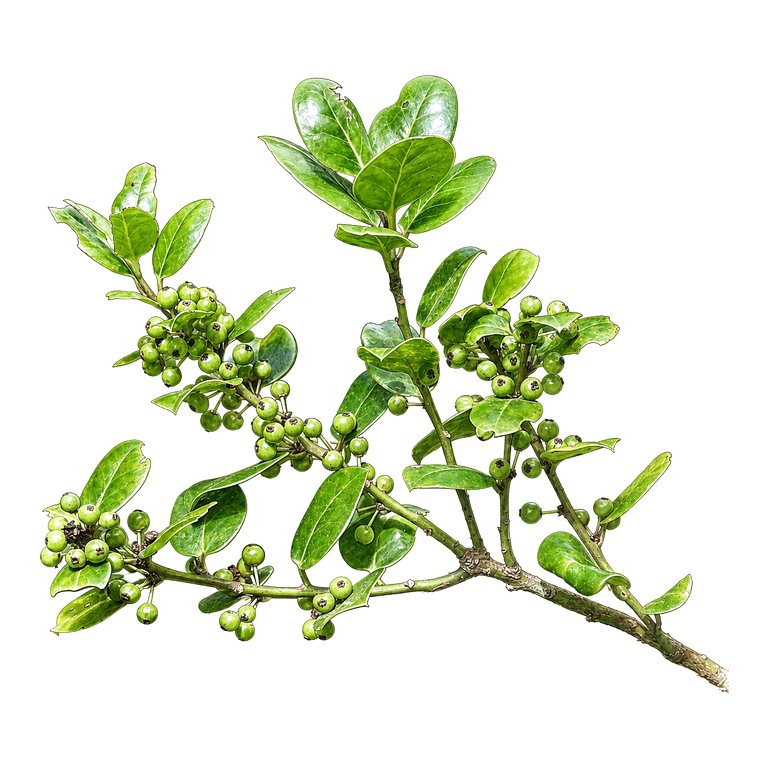
Habitat: Humid laurel forest and montane cloud forest.
A defining evergreen of Pico's wet cloud-forest interior.
Pico context: Recorded on Pico
2026 research assessment: LC — Least Concern
Krzysztof Ziarnek, Kenraiz · CC BY 4.0Full endemic species (9)
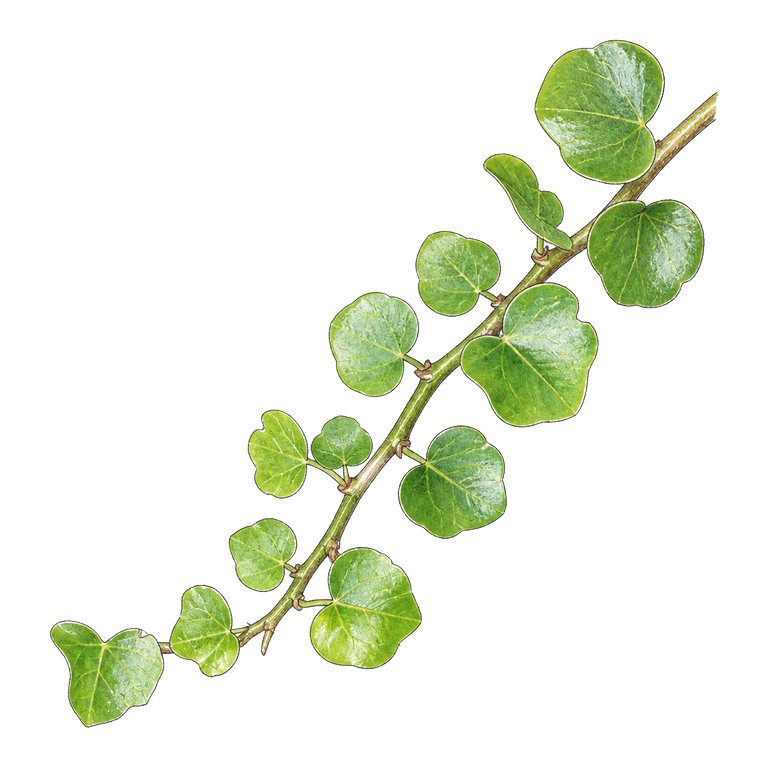
Habitat: Humid forest, ravines and shaded rock.
The native ivy threading through humid forest and lava-stone walls.
Pico context: Recorded on Pico
2026 research assessment: LC — Least Concern
zebedeugalinha · CC BY 4.0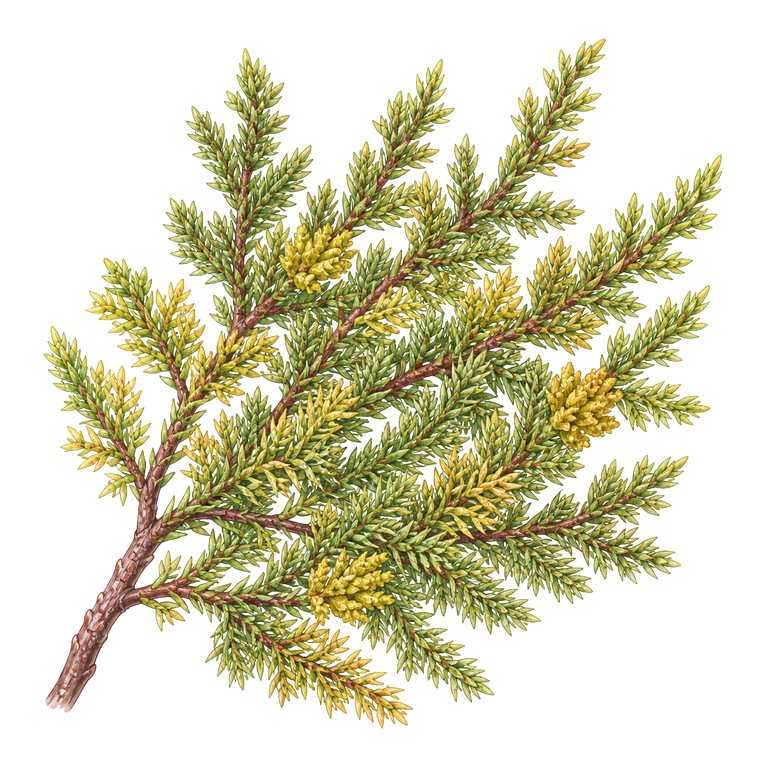
Habitat: Montane cloud forest and high wet scrub.
The Azores' only endemic conifer; historically valued for charcoal, furniture, sacred art and boatbuilding.
Pico context: Recorded on Pico
2026 research assessment: LC — Least Concern
zebedeugalinha · CC BY 4.0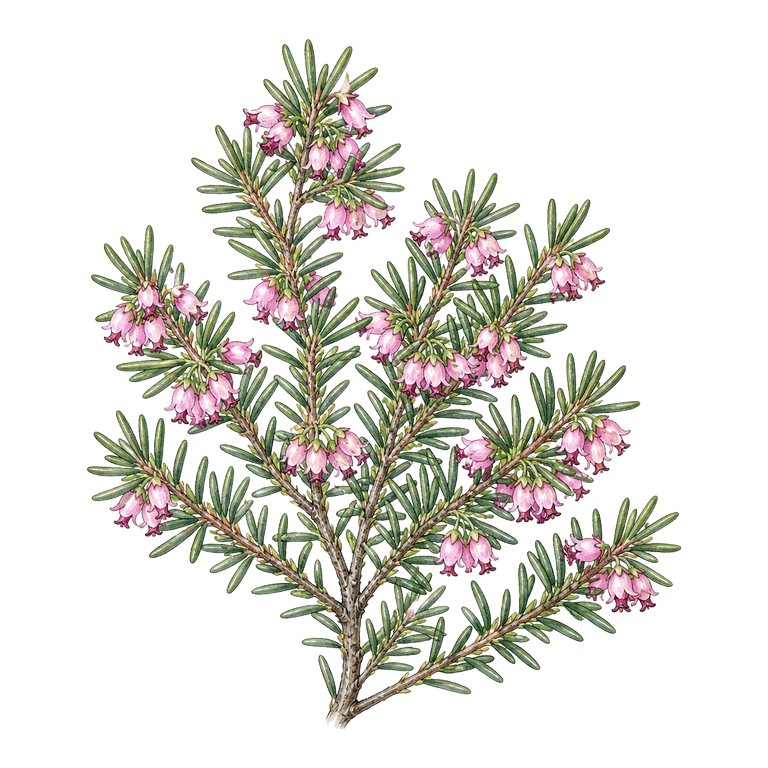
Habitat: Coastal scrub, lava fields, forest margins and uplands.
A wind-shaped shrub that helps define Pico's native scrub and forest edges.
Pico context: Recorded on Pico
2026 research assessment: LC — Least Concern
Suzana Ehlin Martins · CC BY-SA 4.0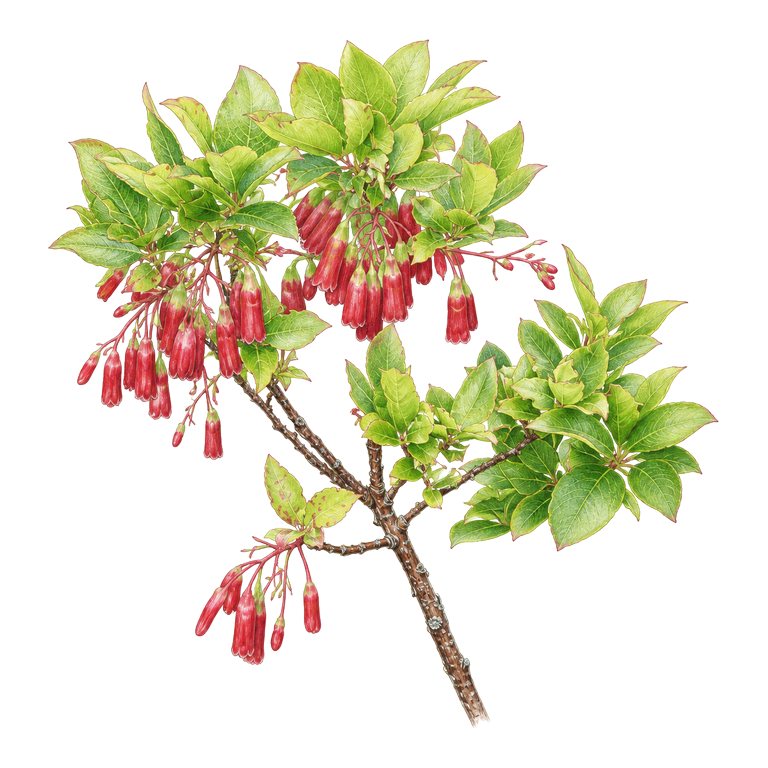
Habitat: Moist upland scrub and native forest.
An upland shrub whose flowers and dark berries are part of the cloud-forest mosaic.
Pico context: Recorded on Pico
2026 research assessment: LC — Least Concern
zebedeugalinha · CC BY 4.0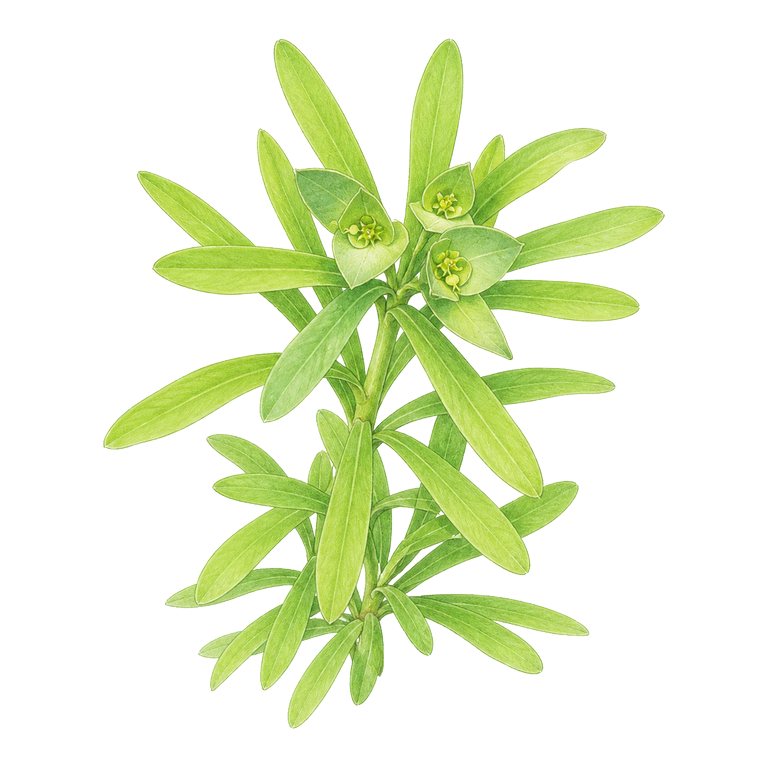
Habitat: Rocky coasts, cliffs and maritime scrub.
A salt-tolerant endemic of exposed ocean-facing vegetation.
Pico context: Recorded on Pico
2026 research assessment: LC — Least Concern
Stuart Cable · CC BY 4.0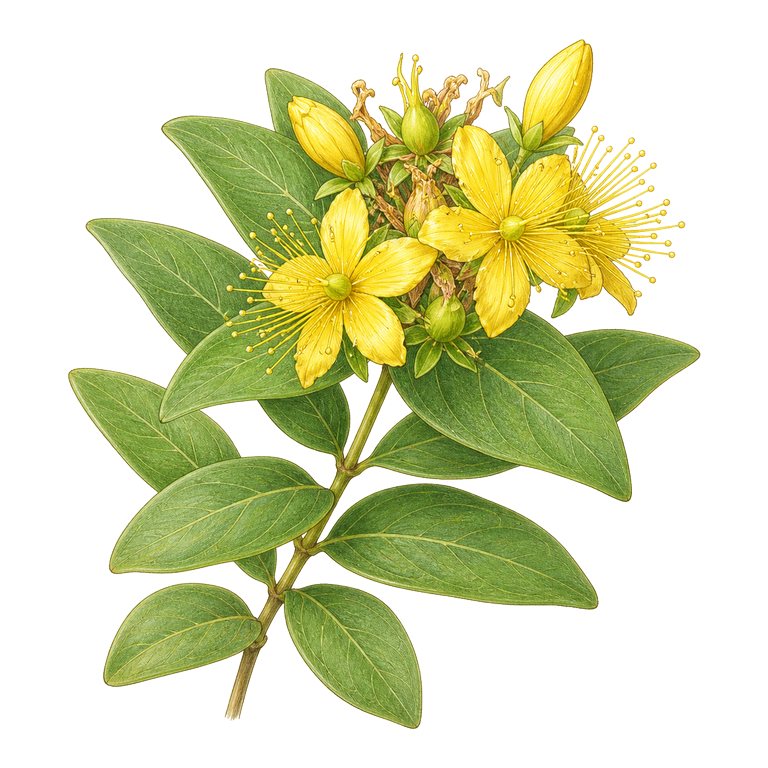
Habitat: Native scrub, wet forest margins and banks.
A yellow-flowered shrub of native vegetation and damp forest margins.
Pico context: Recorded on Pico
2026 research assessment: LC — Least Concern
zebedeugalinha · CC BY 4.0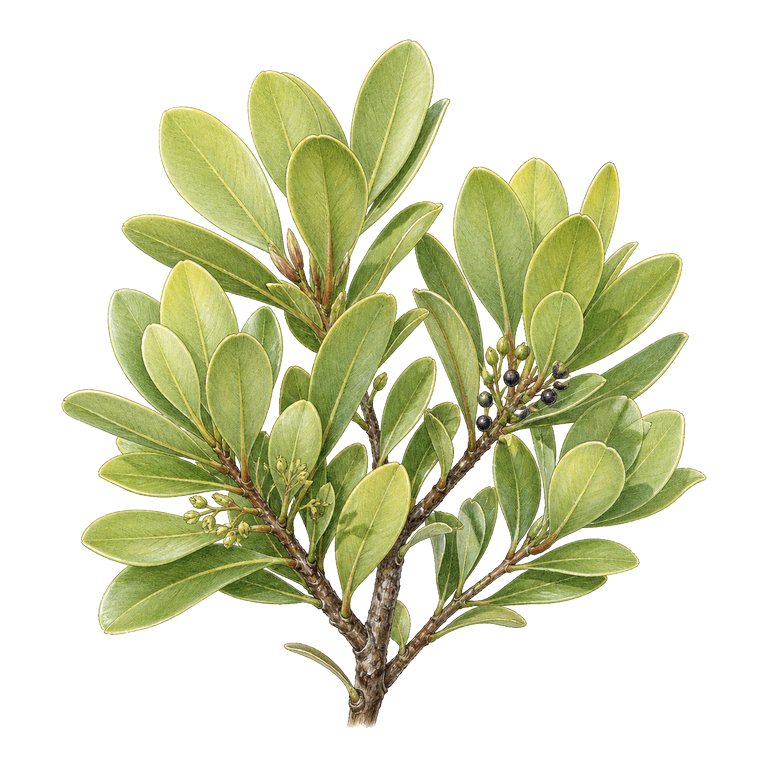
Habitat: Basal to montane laurel forest.
A canopy tree of the Azorean laurel forest.
Pico context: Recorded on Pico
2026 research assessment: LC — Least Concern
Louis Imbeau · CC BY 4.0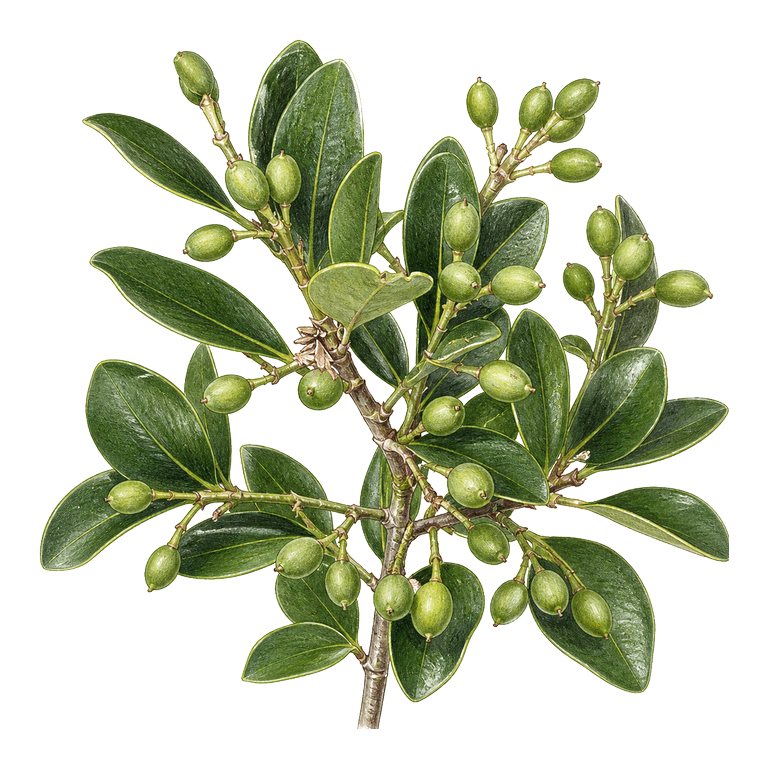
Habitat: Coastal and basal laurel forest.
A pale-wooded evergreen tree of the native island forest.
Pico context: Recorded on Pico
2026 research assessment: LC — Least Concern
Louis Imbeau · CC BY 4.0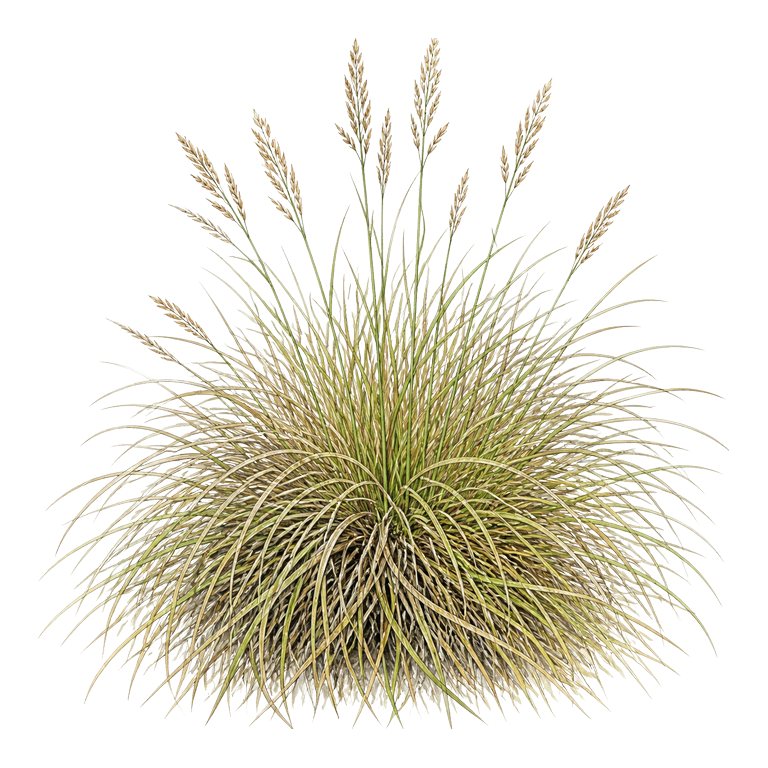
Habitat: Sea cliffs, coastal rocks and exposed slopes.
A fine grass binding rocky ledges and exposed coastal slopes.
Pico context: Recorded on Pico
2026 research assessment: LC — Least Concern
Claude Kolwelter · CC BY 4.0Rare, exceptional, localised or specialist encountersClick to view more84
Full endemic species (66)
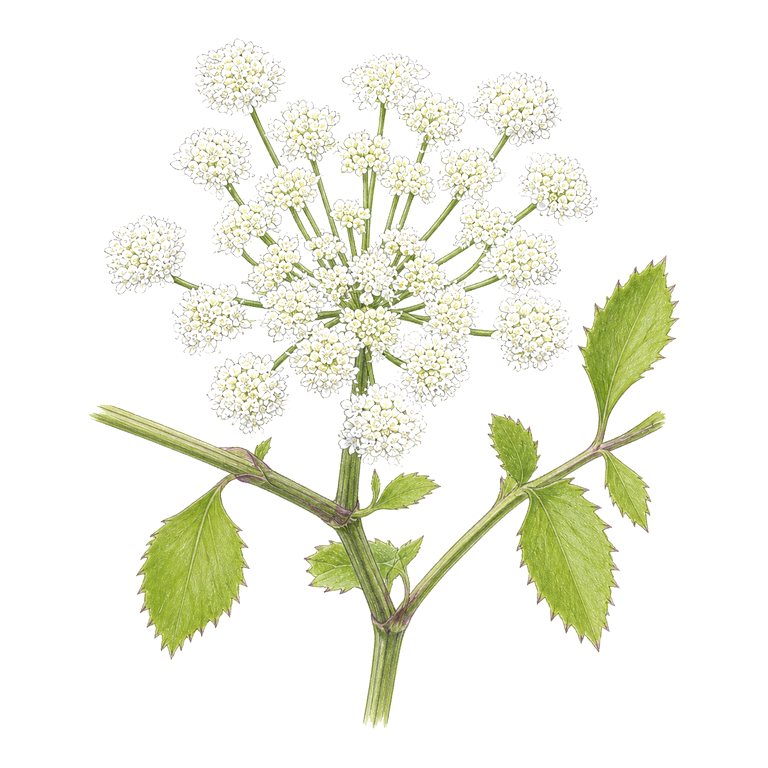
A strictly Azores-endemic umbellifer; the 2026 assessment records it as Data Deficient because evidence or taxonomy remains unresolved.
Pico context: Check the current Azorean Biodiversity Portal map before claiming a Pico sighting
2026 research assessment: DD — Data Deficient
Michael, Antoni and Nihat Hinczewski · CC BY 4.0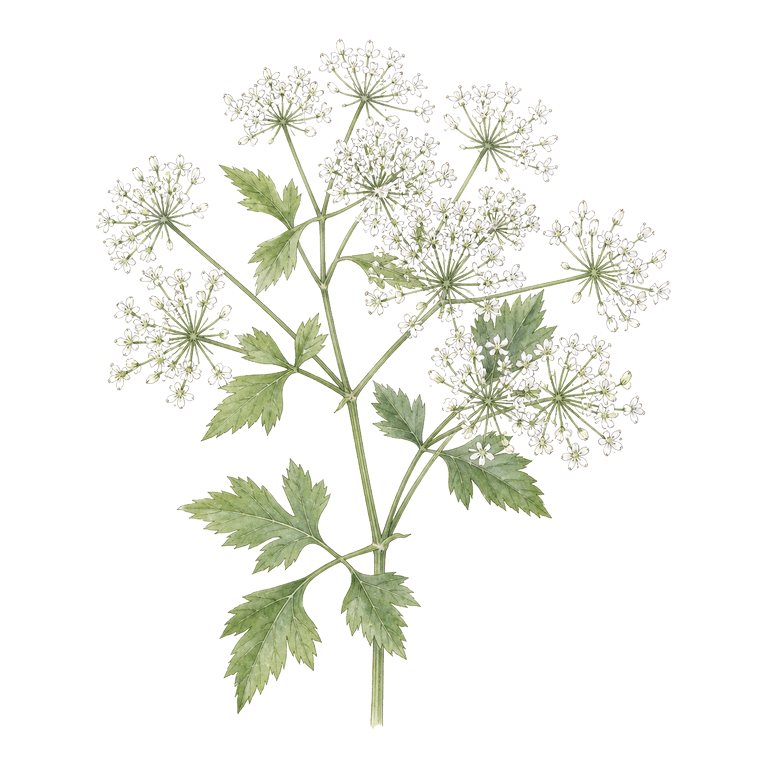
A strictly Azores-endemic umbellifer; the 2026 assessment records it as Data Deficient because evidence or taxonomy remains unresolved.
Pico context: Check the current Azorean Biodiversity Portal map before claiming a Pico sighting
2026 research assessment: DD — Data Deficient
Carminda Santos · CC BY 4.0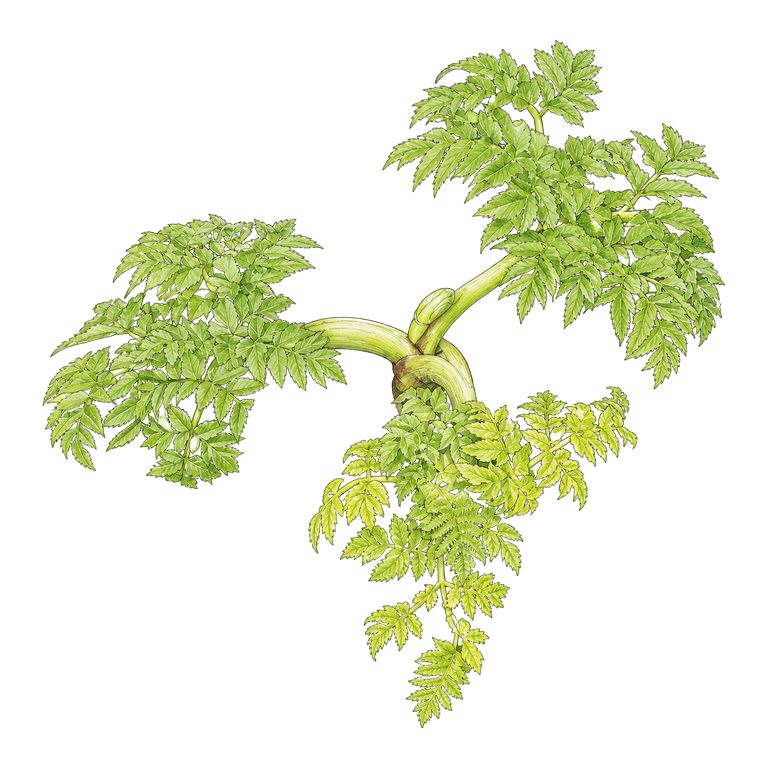
Habitat: Wet uplands, ravines and forest edges.
A tall endemic herb of moist, cool upland habitats.
Pico context: Check the current Azorean Biodiversity Portal map before claiming a Pico sighting
2026 research assessment: EN — Endangered
J.R. Logan · CC0 1.0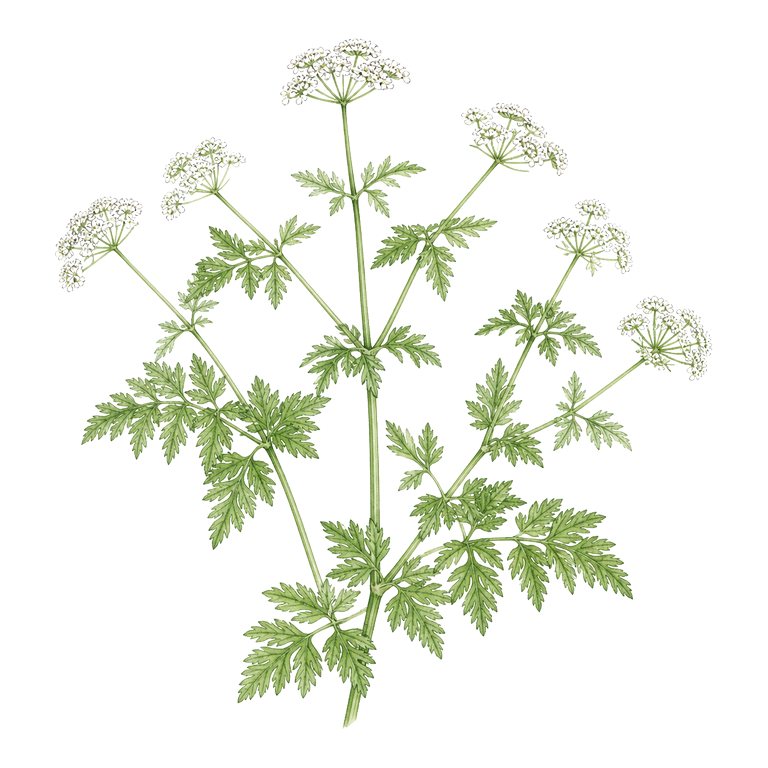
Habitat: Humid upland slopes, craters and forest openings.
No stable Portuguese vernacular is supplied by the cited visitor guide; this rare plant was reinforced by conservation work at Cova do Caldeirão on Pico.
Pico context: Recorded on Pico
2026 research assessment: EN — Endangered
Ljaž · CC BY 4.0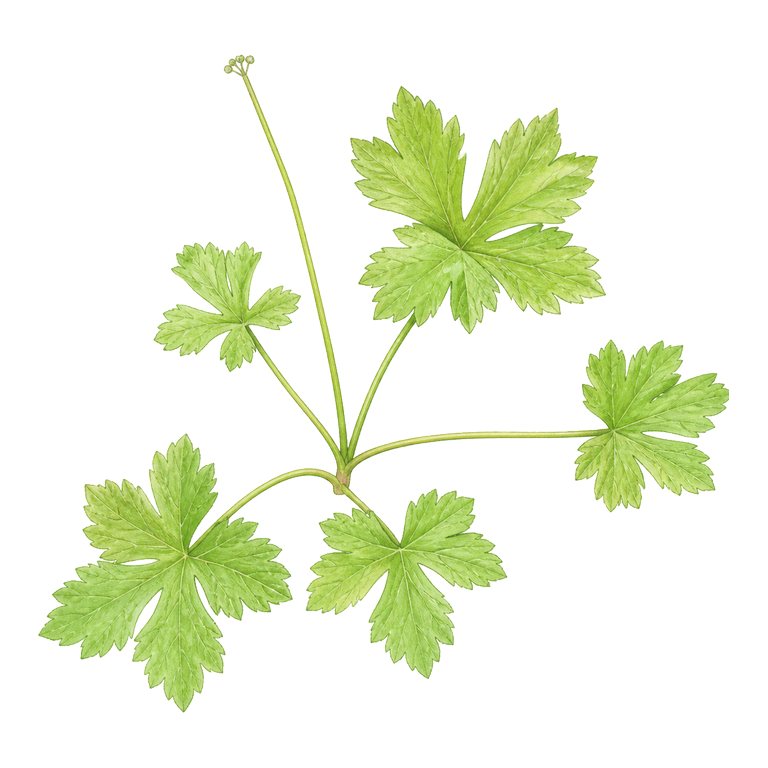
Habitat: Shaded native forest and humid ravines.
A small forest-floor herb of cool, humid native woodland.
Pico context: Check the current Azorean Biodiversity Portal map before claiming a Pico sighting
2026 research assessment: EN — Endangered
William Stephens · CC BY 4.0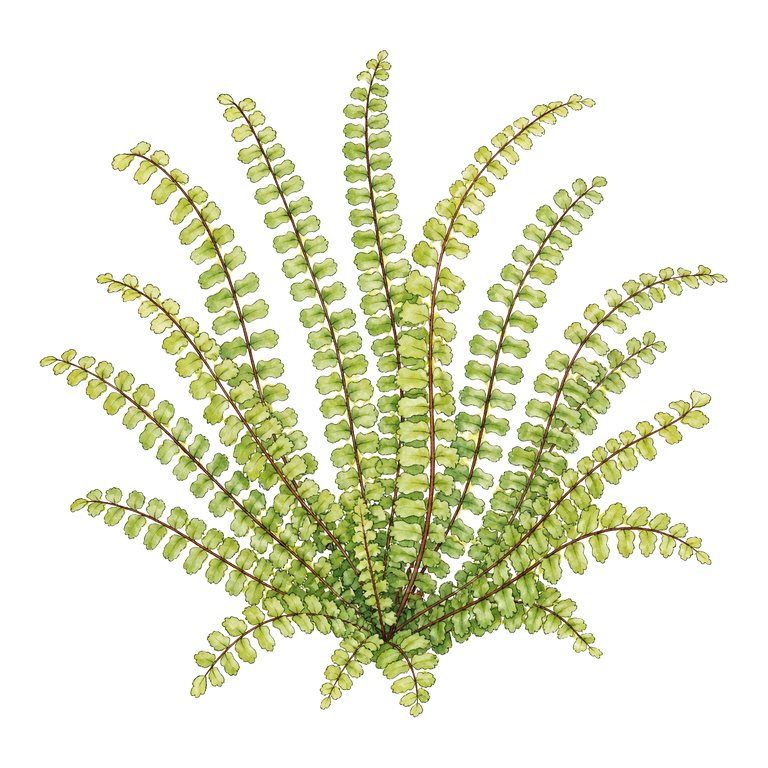
A strictly Azores-endemic spleenwort fern included in the complete 2026 archipelago assessment.
Pico context: Check the current Azorean Biodiversity Portal map before claiming a Pico sighting
2026 research assessment: LC — Least Concern
Ixitixel · CC BY-SA 3.0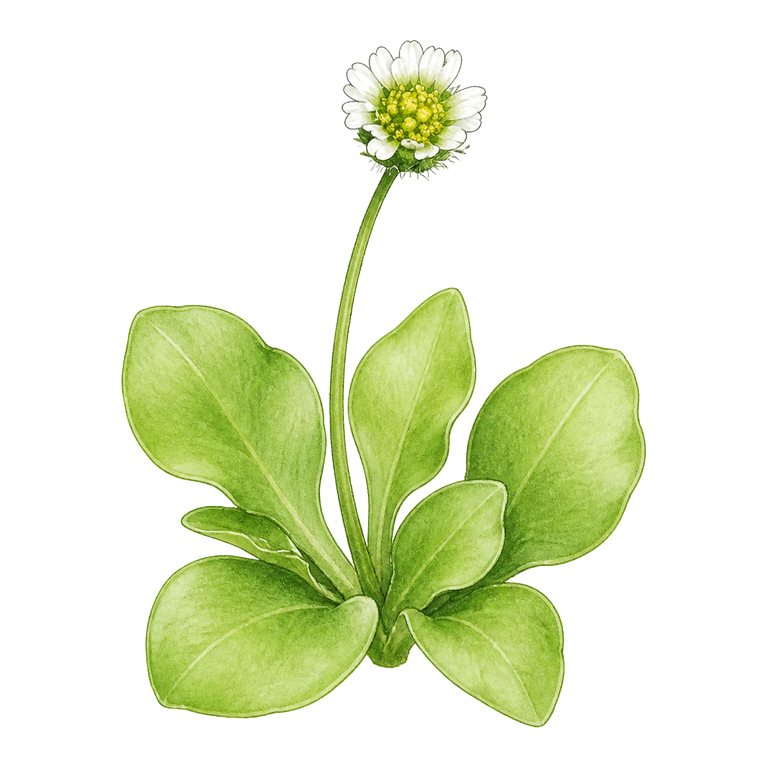
A strictly Azores-endemic daisy-family plant included in the complete 2026 archipelago assessment.
Pico context: Check the current Azorean Biodiversity Portal map before claiming a Pico sighting
2026 research assessment: EN — Endangered
Ljaž · CC BY 4.0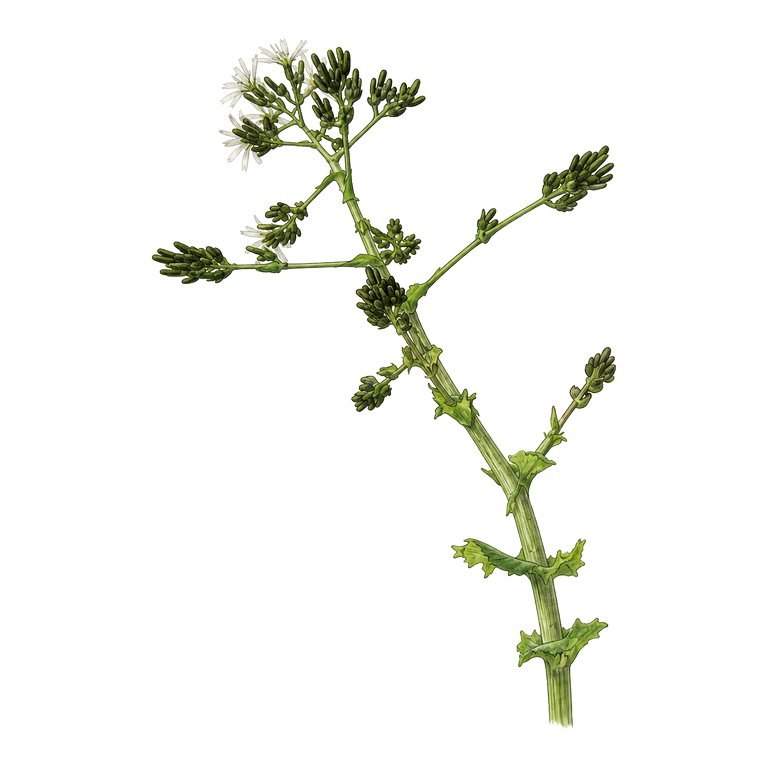
Habitat: Humid native forest, banks and clearings.
A tall, scarce endemic of humid forest clearings and slopes.
Pico context: Check the current Azorean Biodiversity Portal map before claiming a Pico sighting
2026 research assessment: EN — Endangered
zebedeugalinha · CC BY 4.0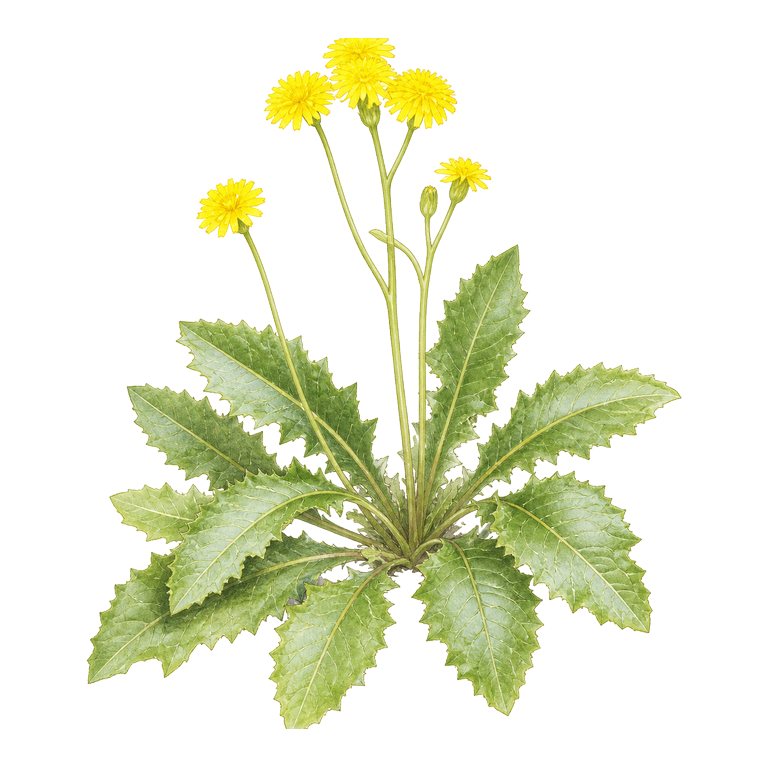
A strictly Azores-endemic daisy-family plant included in the complete 2026 archipelago assessment.
Pico context: Check the current Azorean Biodiversity Portal map before claiming a Pico sighting
2026 research assessment: EN — Endangered
Ljaž · CC BY 4.0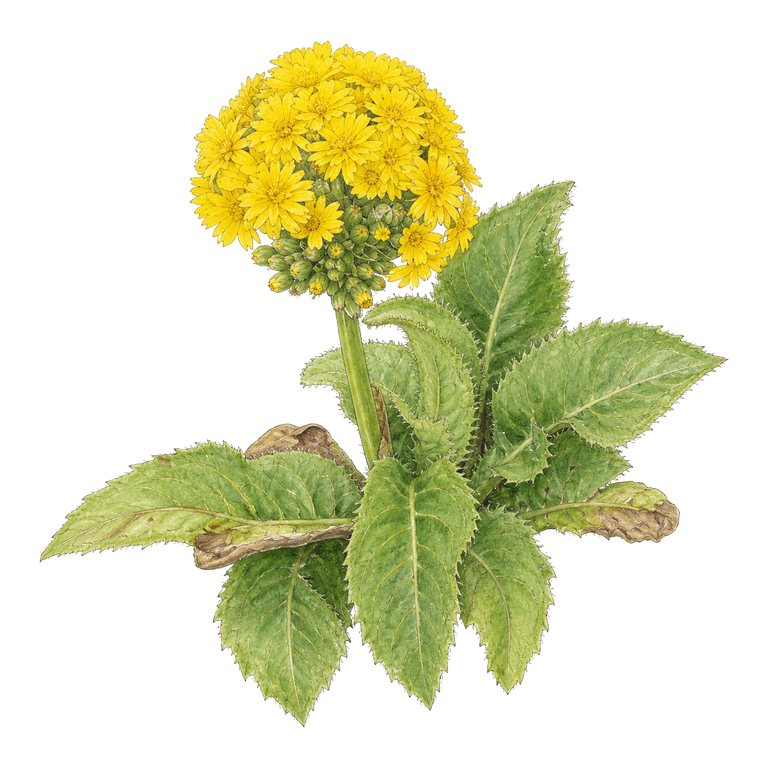
A strictly Azores-endemic daisy-family plant included in the complete 2026 archipelago assessment.
Pico context: Check the current Azorean Biodiversity Portal map before claiming a Pico sighting
2026 research assessment: EN — Endangered
Ljaž · CC BY 4.0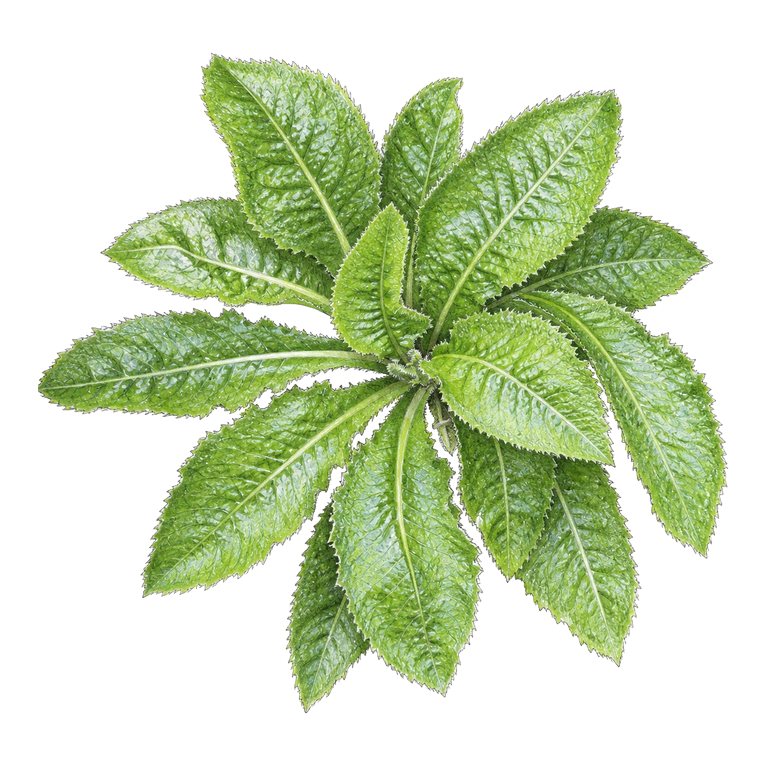
A strictly Azores-endemic daisy-family plant included in the complete 2026 archipelago assessment.
Pico context: Check the current Azorean Biodiversity Portal map before claiming a Pico sighting
2026 research assessment: EN — Endangered
Chuck Wilson · CC0 1.0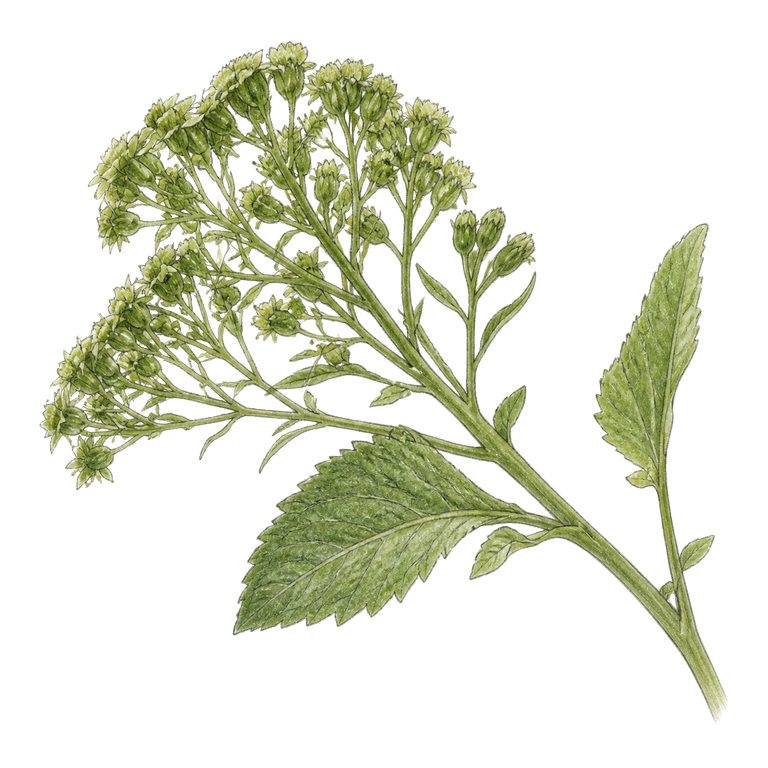
A strictly Azores-endemic daisy-family plant included in the complete 2026 archipelago assessment.
Pico context: Check the current Azorean Biodiversity Portal map before claiming a Pico sighting
2026 research assessment: EN — Endangered
zebedeugalinha · CC BY 4.0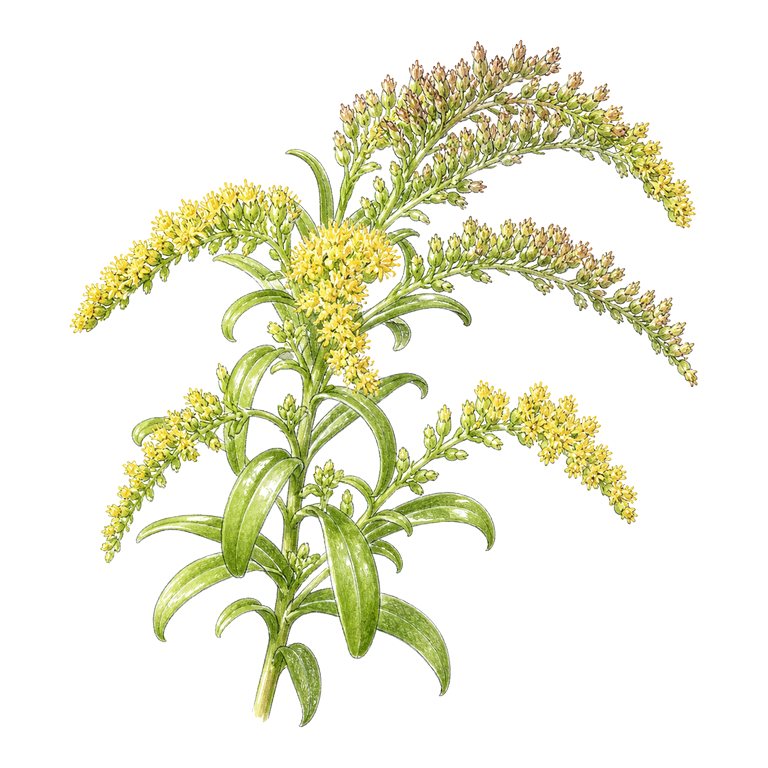
Habitat: Coastal slopes, lava, cliffs and open scrub.
No stable Portuguese vernacular is supplied by the cited visitor guide; it is a yellow-flowered endemic of exposed native vegetation.
Pico context: Check the current Azorean Biodiversity Portal map before claiming a Pico sighting
2026 research assessment: LC — Least Concern
Louis Imbeau · CC BY 4.0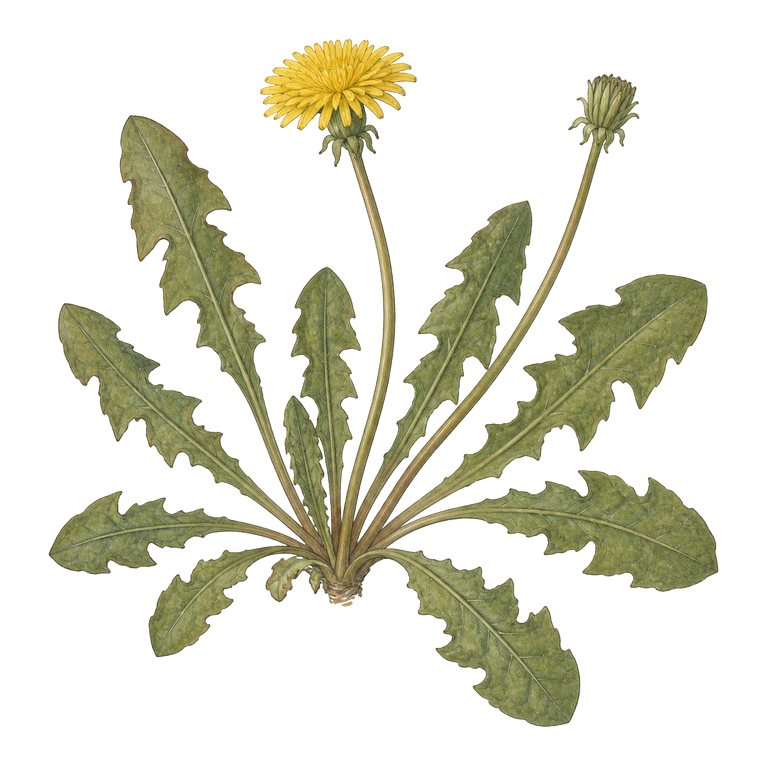
A strictly Azores-endemic daisy-family plant; the 2026 assessment records it as Data Deficient because evidence or taxonomy remains unresolved.
Pico context: Check the current Azorean Biodiversity Portal map before claiming a Pico sighting
2026 research assessment: DD — Data Deficient
Dick Andersson (S) · CC BY 4.0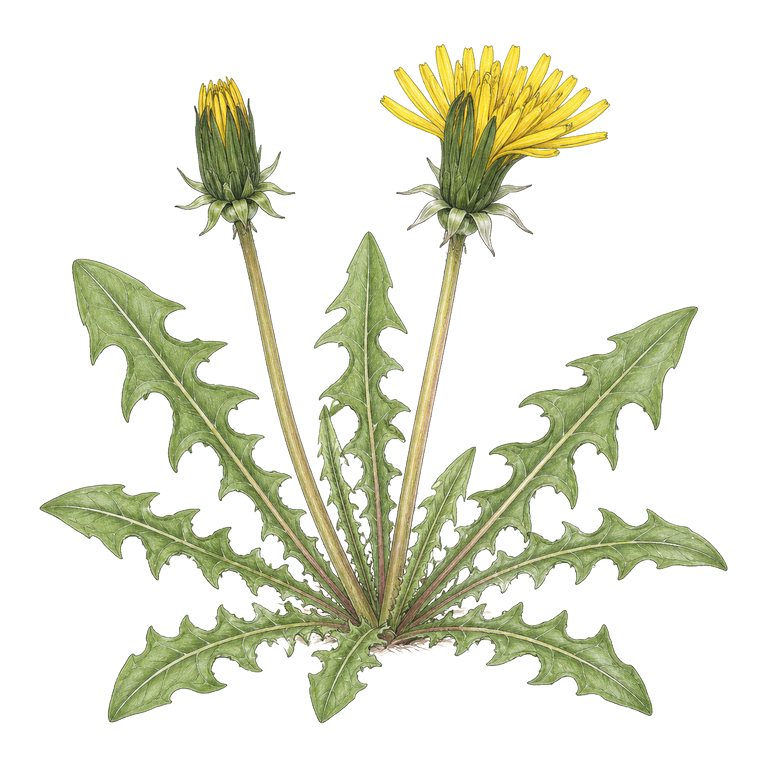
A strictly Azores-endemic daisy-family plant; the 2026 assessment records it as Data Deficient because evidence or taxonomy remains unresolved.
Pico context: Check the current Azorean Biodiversity Portal map before claiming a Pico sighting
2026 research assessment: DD — Data Deficient
Skjold Søndergaard · CC BY 4.0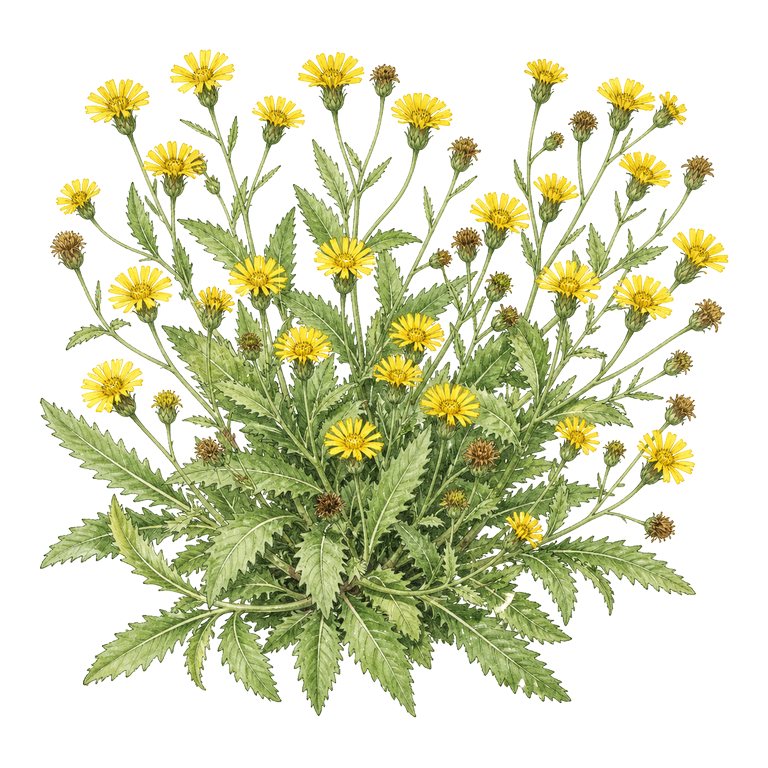
A strictly Azores-endemic daisy-family plant included in the complete 2026 archipelago assessment.
Pico context: Check the current Azorean Biodiversity Portal map before claiming a Pico sighting
2026 research assessment: EN — Endangered
zebedeugalinha · CC BY 4.0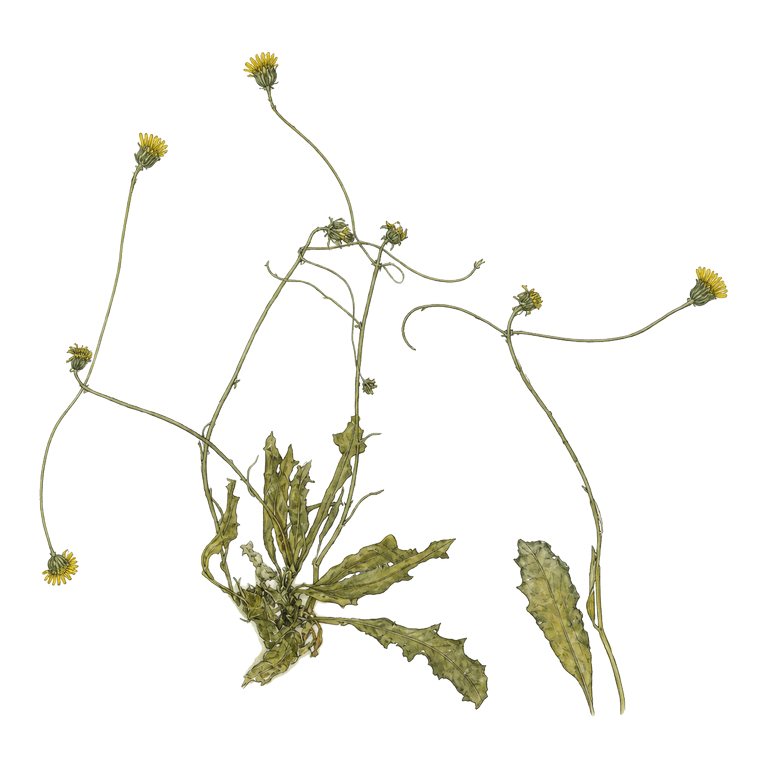
A strictly Azores-endemic daisy-family plant included in the complete 2026 archipelago assessment.
Pico context: Check the current Azorean Biodiversity Portal map before claiming a Pico sighting
2026 research assessment: CR — Critically Endangered
Natural History Museum, London (NHMUK) · CC BY 4.0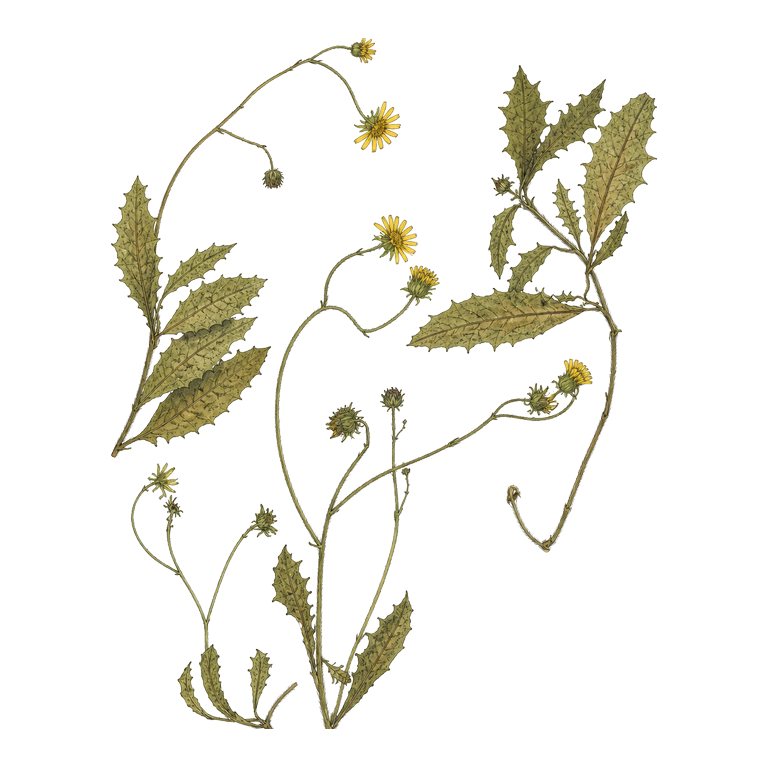
A strictly Azores-endemic daisy-family plant included in the complete 2026 archipelago assessment.
Pico context: Check the current Azorean Biodiversity Portal map before claiming a Pico sighting
2026 research assessment: EN — Endangered
Natural History Museum, London (NHMUK) · CC BY 4.0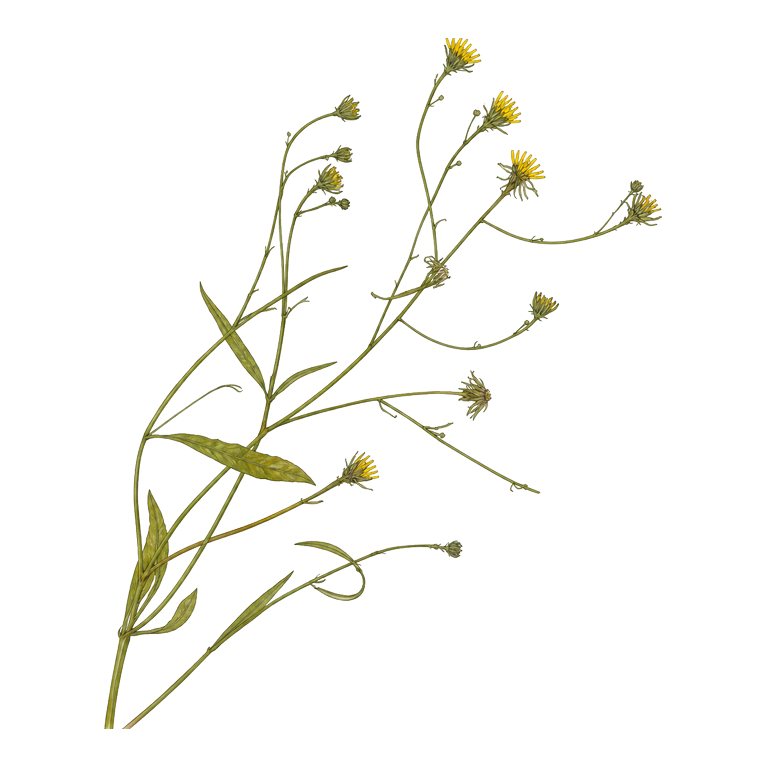
A strictly Azores-endemic daisy-family plant included in the complete 2026 archipelago assessment.
Pico context: Check the current Azorean Biodiversity Portal map before claiming a Pico sighting
2026 research assessment: EN — Endangered
Natural History Museum, London (NHMUK) · CC BY 4.0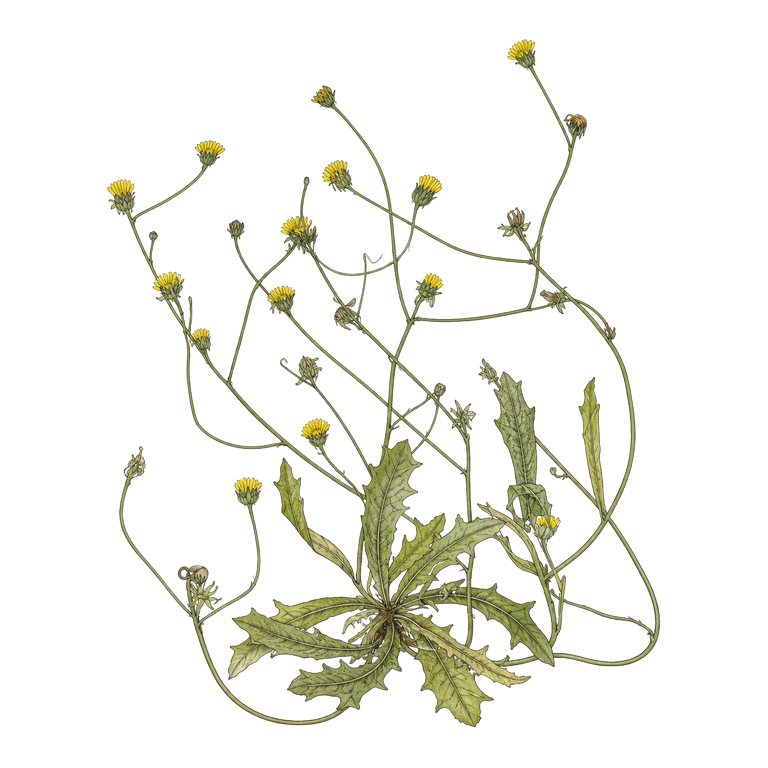
A strictly Azores-endemic daisy-family plant included in the complete 2026 archipelago assessment.
Pico context: Check the current Azorean Biodiversity Portal map before claiming a Pico sighting
2026 research assessment: EN — Endangered
Natural History Museum, London (NHMUK) · CC BY 4.0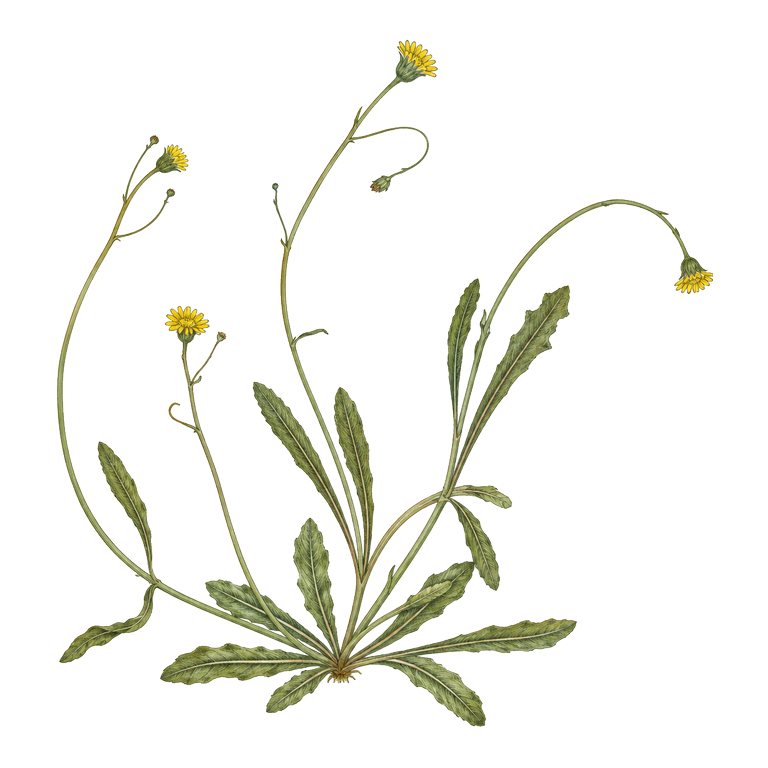
A strictly Azores-endemic daisy-family plant included in the complete 2026 archipelago assessment.
Pico context: Check the current Azorean Biodiversity Portal map before claiming a Pico sighting
2026 research assessment: CR — Critically Endangered
Natural History Museum, London (NHMUK) · CC BY 4.0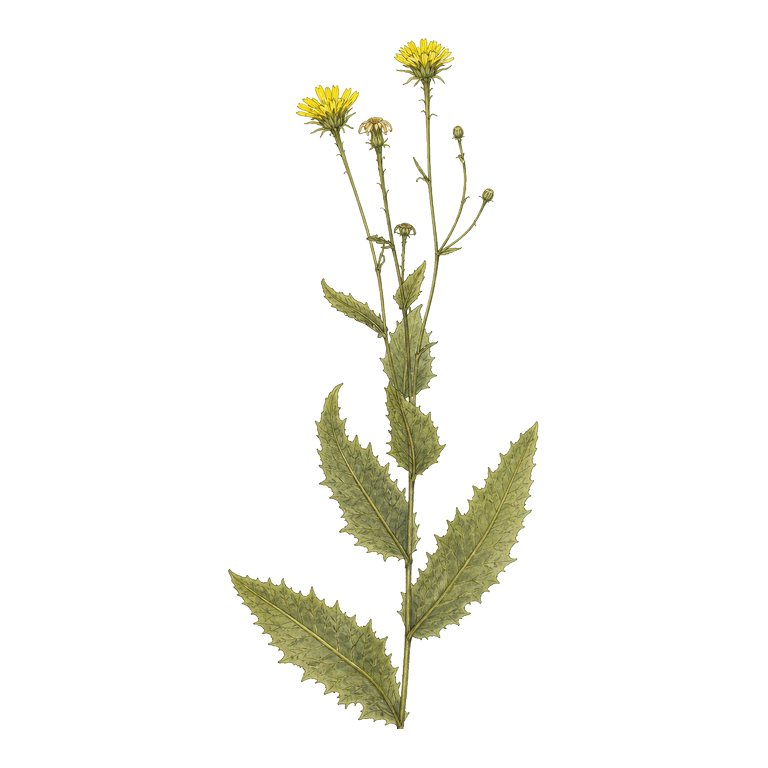
A strictly Azores-endemic daisy-family plant included in the complete 2026 archipelago assessment.
Pico context: Check the current Azorean Biodiversity Portal map before claiming a Pico sighting
2026 research assessment: EN — Endangered
Natural History Museum, London (NHMUK) · CC BY 4.0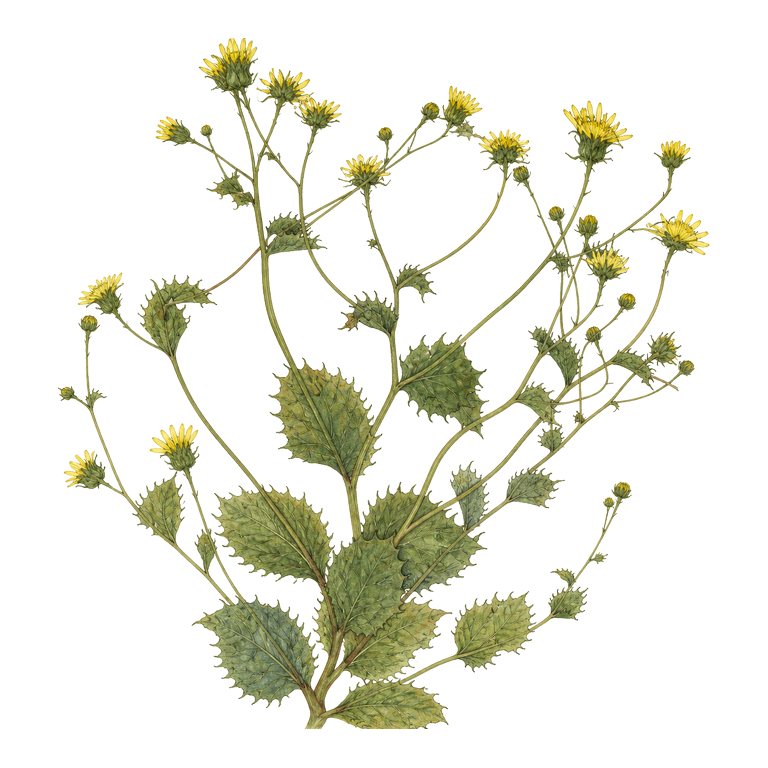
A strictly Azores-endemic daisy-family plant included in the complete 2026 archipelago assessment.
Pico context: Check the current Azorean Biodiversity Portal map before claiming a Pico sighting
2026 research assessment: EN — Endangered
Natural History Museum, London (NHMUK) · CC BY 4.0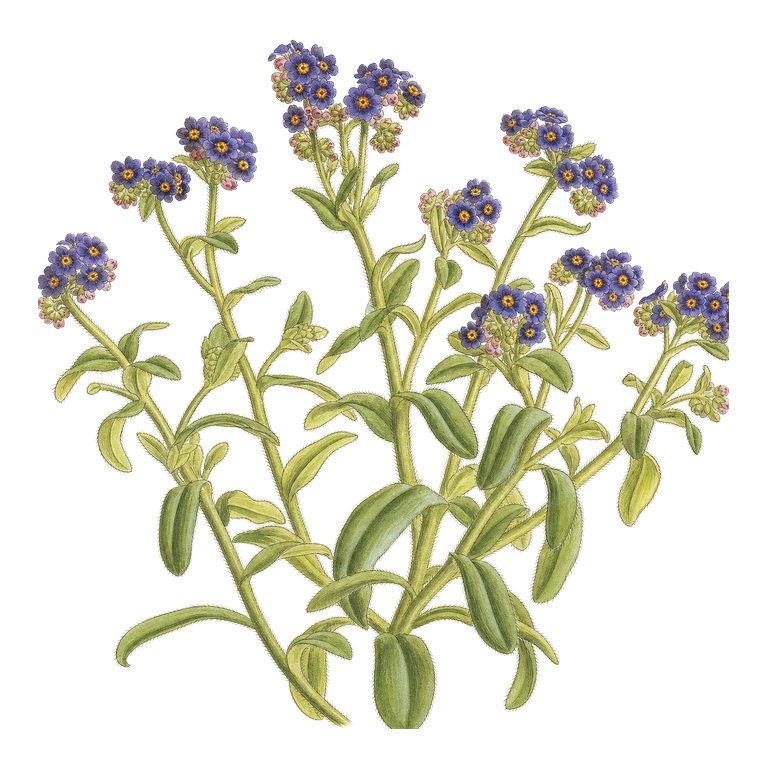
A strictly Azores-endemic forget-me-not included in the complete 2026 archipelago assessment.
Pico context: Check the current Azorean Biodiversity Portal map before claiming a Pico sighting
2026 research assessment: CR — Critically Endangered
BernardM · Public domain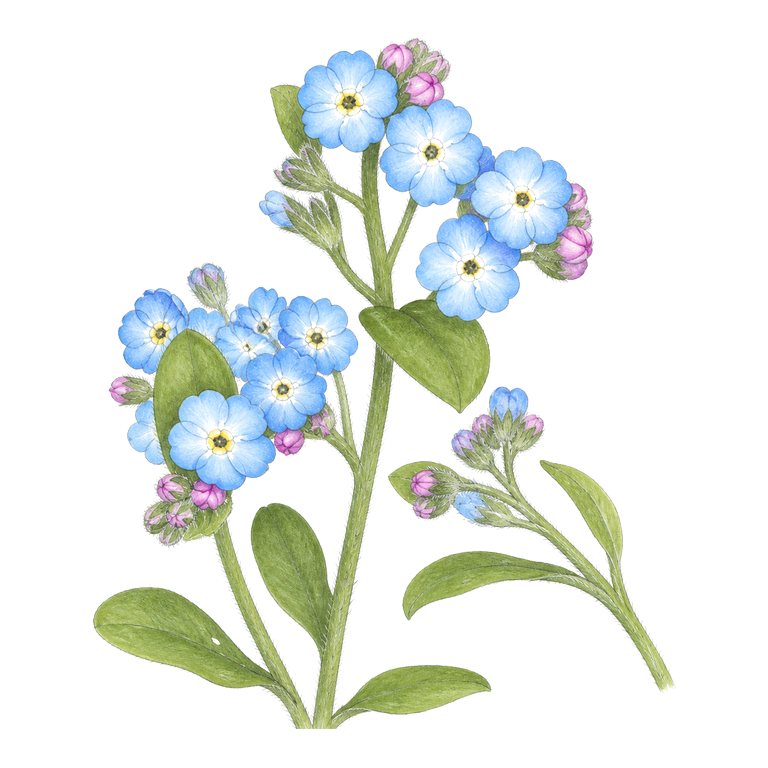
A strictly Azores-endemic forget-me-not included in the complete 2026 archipelago assessment.
Pico context: Check the current Azorean Biodiversity Portal map before claiming a Pico sighting
2026 research assessment: EN — Endangered
Luisa Madruga · Public domain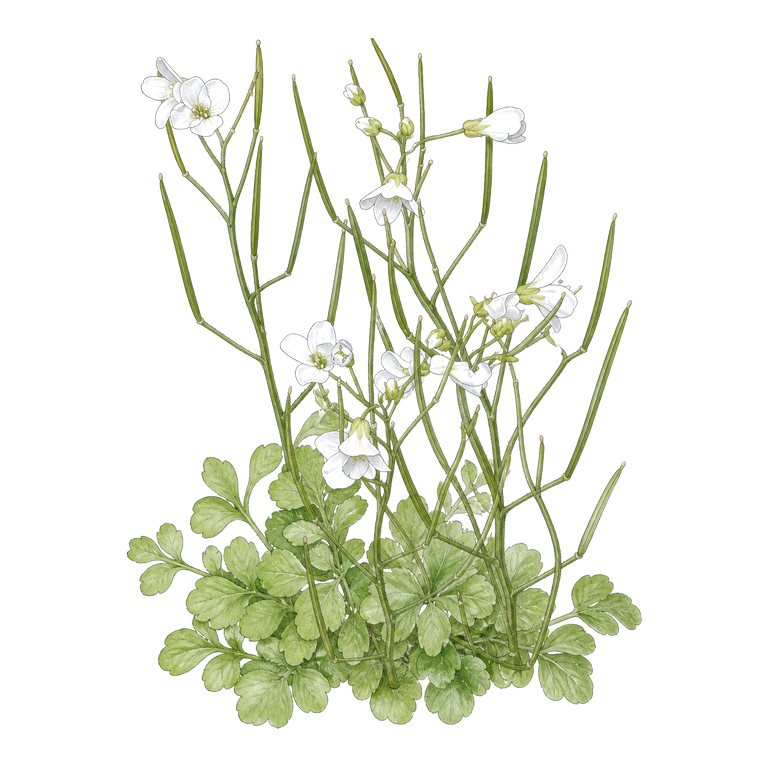
Habitat: Wet forest, springs, ravines and volcanic craters.
No stable Portuguese vernacular is supplied by the cited visitor guide; it is a moisture-loving endemic associated with craters and humid native forest.
Pico context: Check the current Azorean Biodiversity Portal map before claiming a Pico sighting
2026 research assessment: EN — Endangered
Malcolm Gould · CC BY 4.0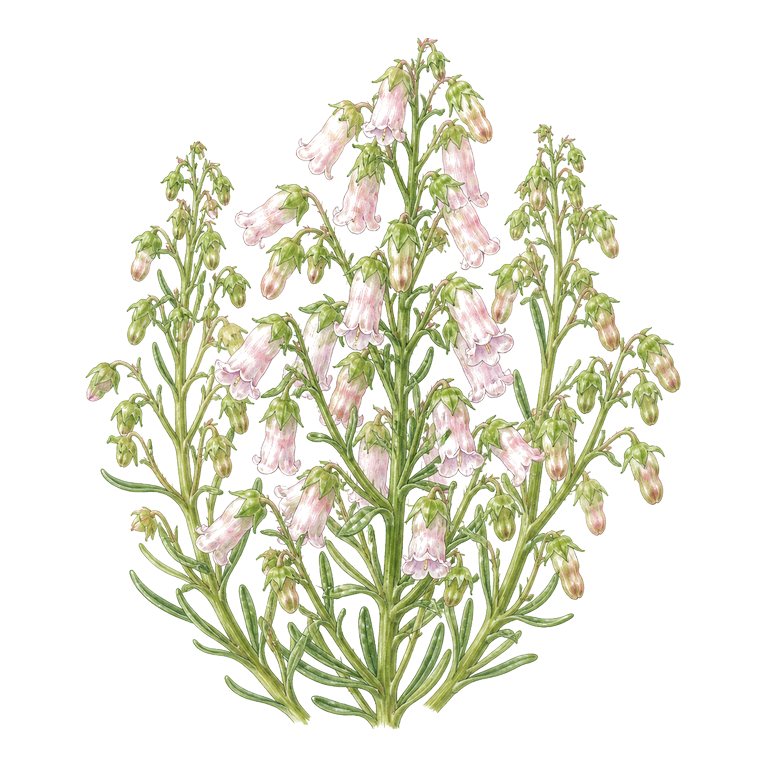
Habitat: Coastal cliffs, crevices and steep maritime slopes.
The only species in the Azores-endemic genus Azorina.
Pico context: Recorded on Pico
2026 research assessment: EN — Endangered
zebedeugalinha · CC BY 4.0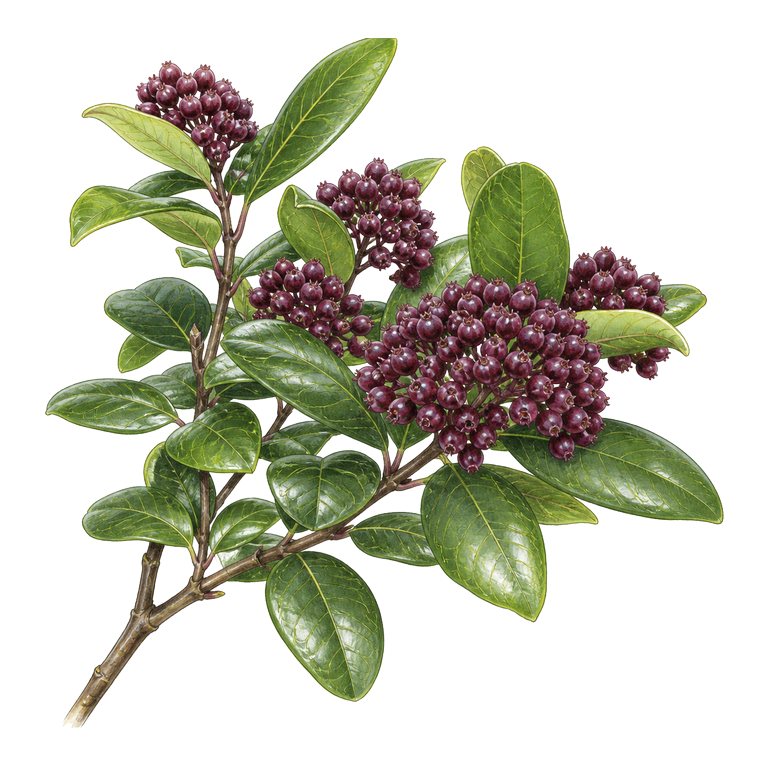
Habitat: Humid laurel and cloud forest.
A glossy-leaved native-forest shrub with pale flower clusters and dark fruit.
Pico context: Recorded on Pico
2026 research assessment: VU — Vulnerable
zebedeugalinha · CC BY 4.0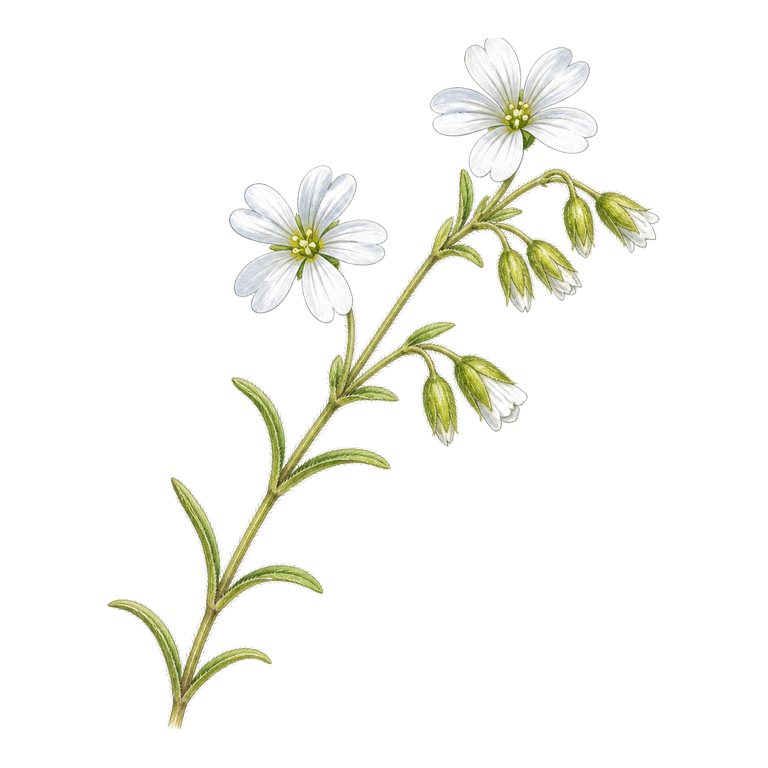
A strictly Azores-endemic pink-family plant included in the complete 2026 archipelago assessment.
Pico context: Check the current Azorean Biodiversity Portal map before claiming a Pico sighting
2026 research assessment: EN — Endangered
Elizabete Marchante · CC BY 4.0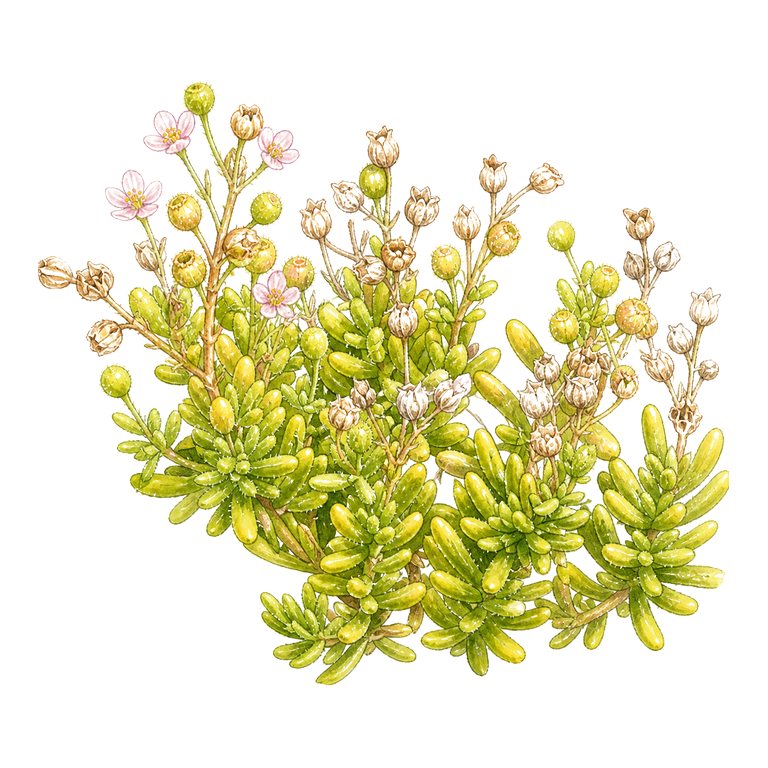
A strictly Azores-endemic pink-family plant included in the complete 2026 archipelago assessment.
Pico context: Check the current Azorean Biodiversity Portal map before claiming a Pico sighting
2026 research assessment: VU — Vulnerable
zebedeugalinha · CC BY 4.0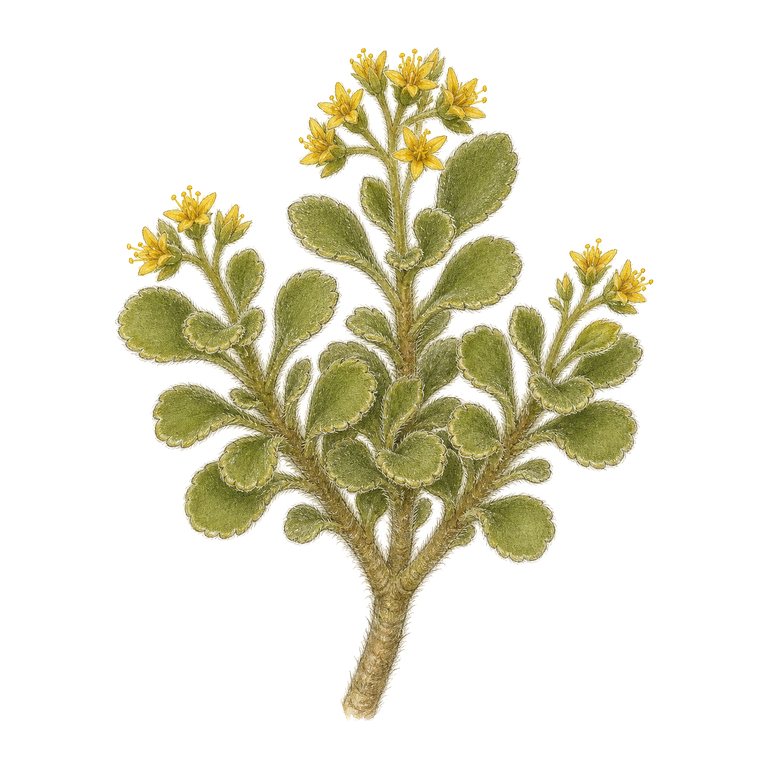
A strictly Azores-endemic stonecrop relative included in the complete 2026 archipelago assessment.
Pico context: Check the current Azorean Biodiversity Portal map before claiming a Pico sighting
2026 research assessment: VU — Vulnerable
© Atlantic Heritage Unipessoal Lda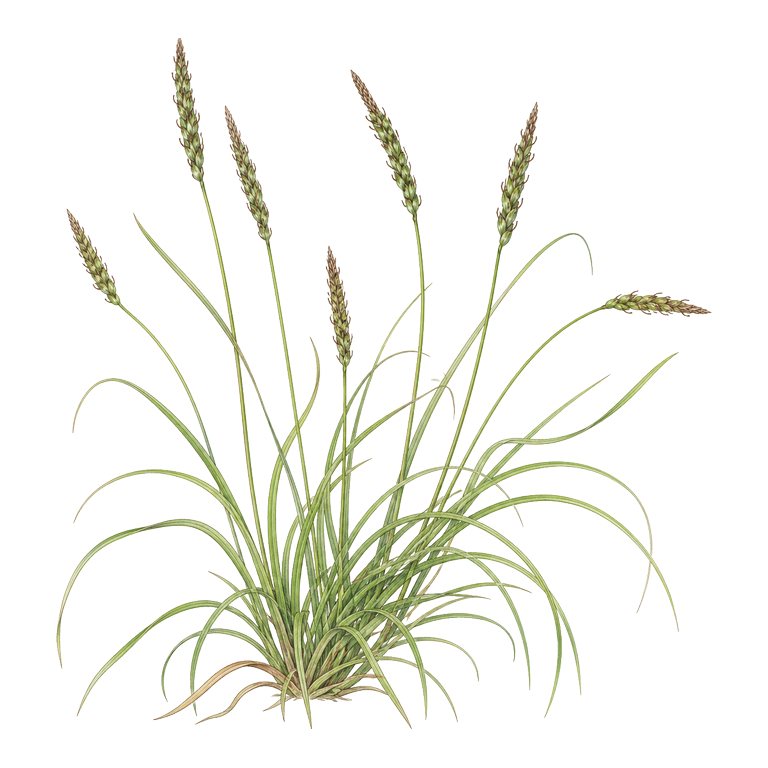
A strictly Azores-endemic sedge included in the complete 2026 archipelago assessment.
Pico context: Check the current Azorean Biodiversity Portal map before claiming a Pico sighting
2026 research assessment: LC — Least Concern
Michael, Antoni and Nihat Hinczewski · CC BY 4.0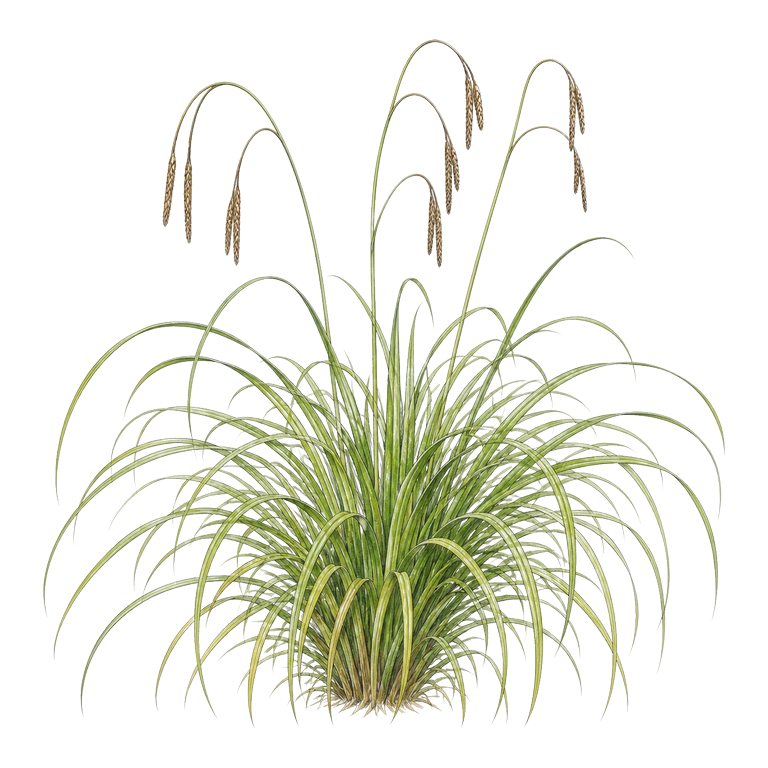
A strictly Azores-endemic sedge included in the complete 2026 archipelago assessment.
Pico context: Check the current Azorean Biodiversity Portal map before claiming a Pico sighting
2026 research assessment: LC — Least Concern
Ljaž · CC BY 4.0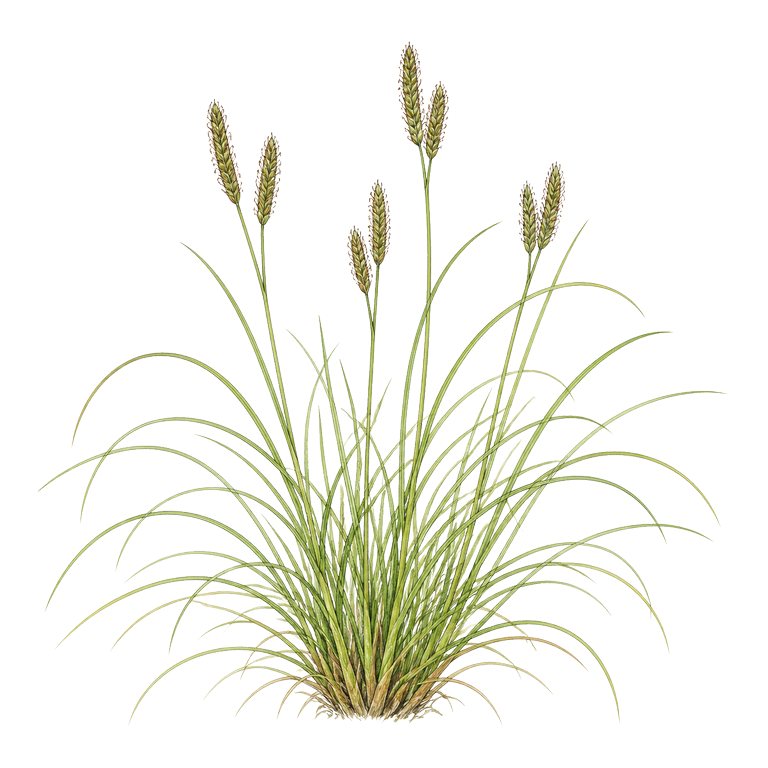
A strictly Azores-endemic sedge included in the complete 2026 archipelago assessment.
Pico context: Check the current Azorean Biodiversity Portal map before claiming a Pico sighting
2026 research assessment: EN — Endangered
Michael, Antoni and Nihat Hinczewski · CC BY 4.0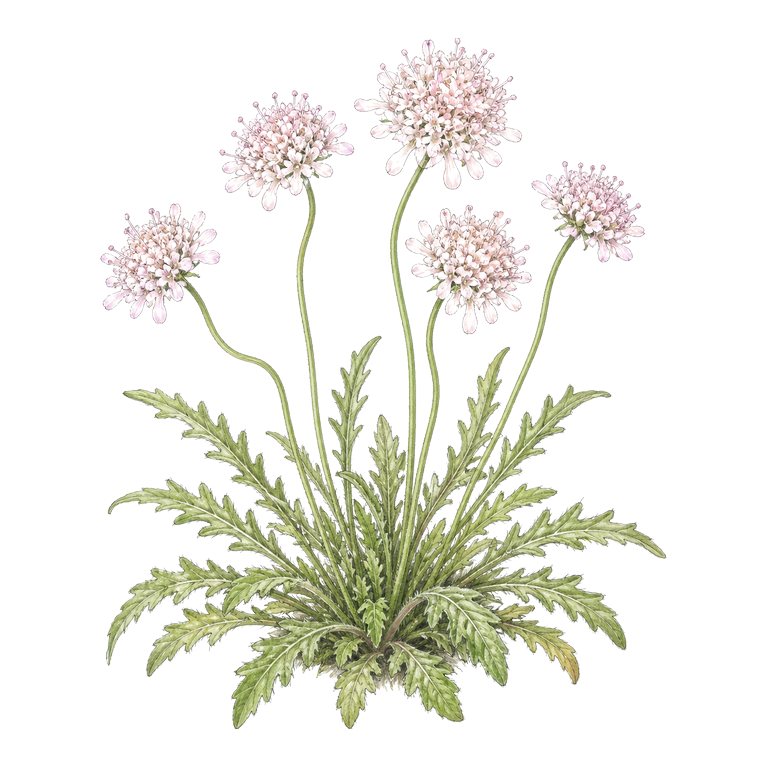
Habitat: Open montane vegetation and native scrub.
No stable Portuguese vernacular is supplied by the cited visitor guide; this protected flowering plant is highlighted in Pico's central landscape.
Pico context: Recorded on Pico
2026 research assessment: EN — Endangered
zebedeugalinha · CC BY 4.0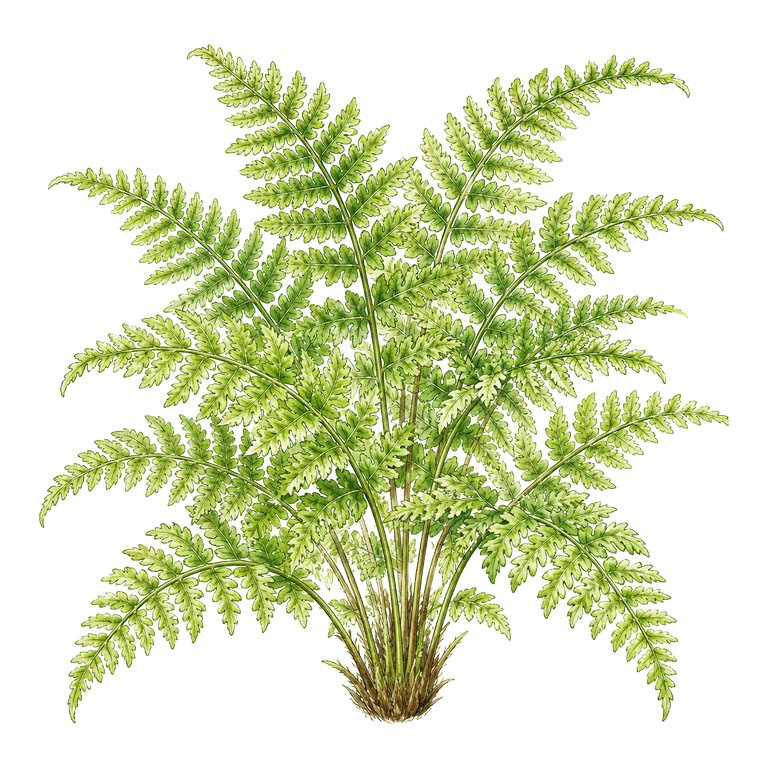
A strictly Azores-endemic wood fern included in the complete 2026 archipelago assessment.
Pico context: Check the current Azorean Biodiversity Portal map before claiming a Pico sighting
2026 research assessment: LC — Least Concern
William Stephens · CC BY 4.0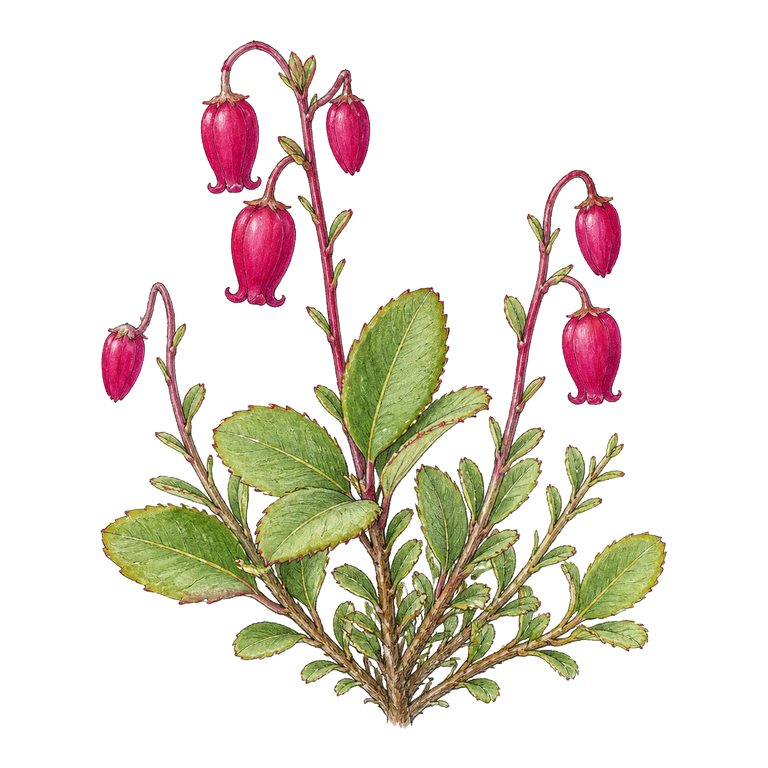
Habitat: Montane and subalpine heath.
A compact high-mountain heath prominent on Pico above about 1,800 metres.
Pico context: Recorded on Pico
2026 research assessment: EN — Endangered
zebedeugalinha · CC BY 4.0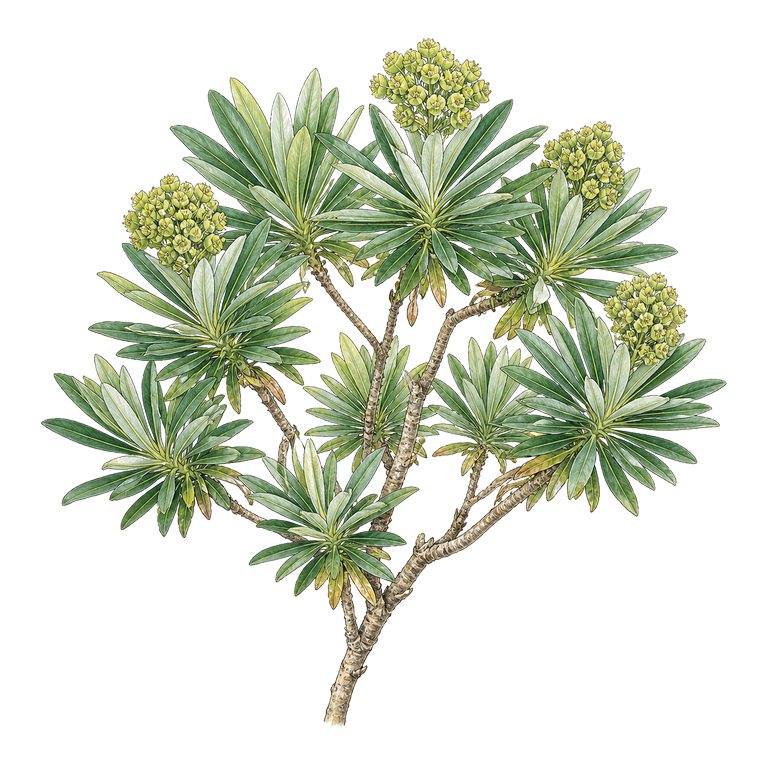
A strictly Azores-endemic spurge included in the complete 2026 archipelago assessment.
Pico context: Check the current Azorean Biodiversity Portal map before claiming a Pico sighting
2026 research assessment: EN — Endangered
Stuart Cable · CC BY 4.0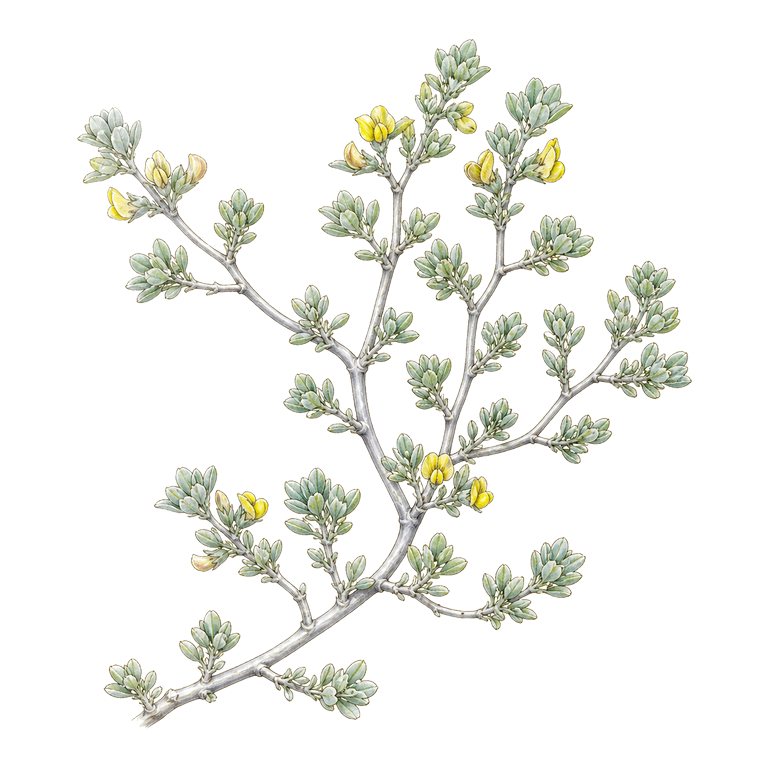
Habitat: Coastal cliffs, lava and maritime grassland.
No stable Portuguese vernacular is supplied by the cited visitor guide; this rare coastal endemic is recorded in Pico hotspots at Terra Alta and Calheta do Nesquim.
Pico context: Recorded on Pico
2026 research assessment: EN — Endangered
William Stephens · CC BY 4.0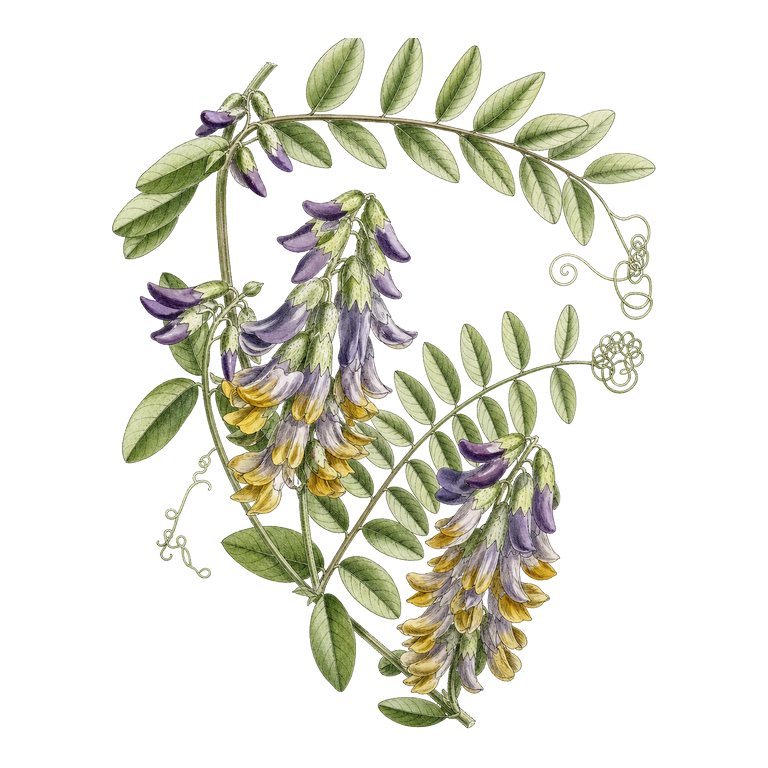
An extinct, strictly Azores-endemic pea-family plant, retained here as part of the archipelago's documented botanical heritage.
Pico context: Not naturally present on Pico
2026 research assessment: EX — Extinct
M. S. del. ( = Matilda Smith , 1854-1926), J. N. Fitch lith. ( = John Nugent Fitch , 1840–1927) · Public domain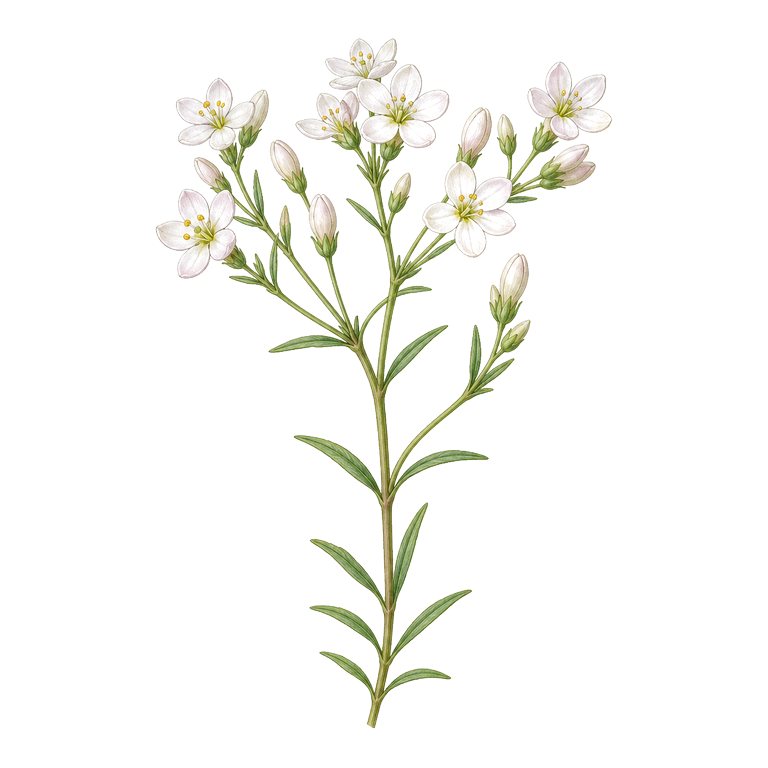
A strictly Azores-endemic centaury included in the complete 2026 archipelago assessment.
Pico context: Check the current Azorean Biodiversity Portal map before claiming a Pico sighting
2026 research assessment: VU — Vulnerable
Michael, Antoni and Nihat Hinczewski · CC BY 4.0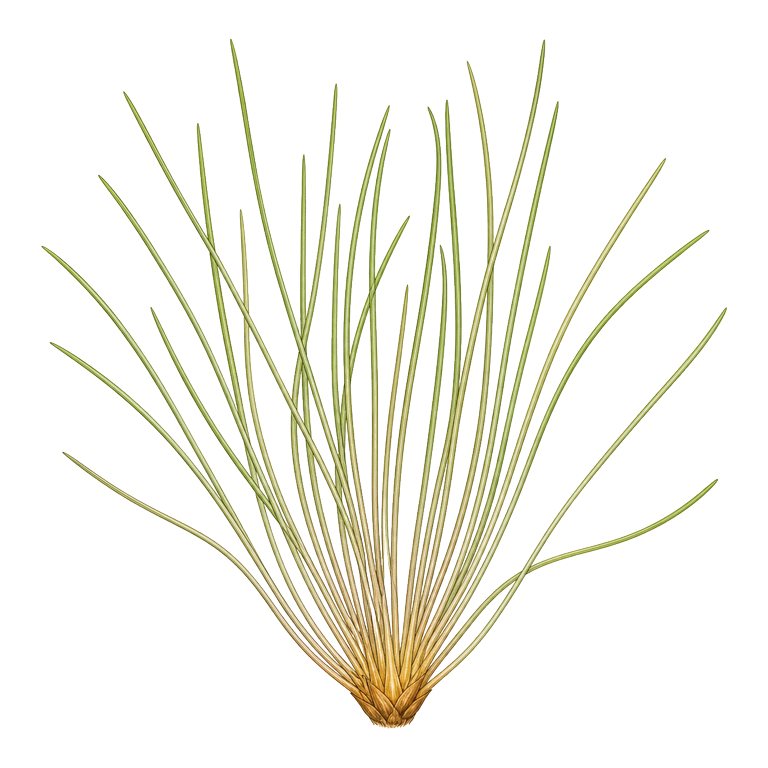
A strictly Azores-endemic quillwort included in the complete 2026 archipelago assessment.
Pico context: Check the current Azorean Biodiversity Portal map before claiming a Pico sighting
2026 research assessment: EN — Endangered
zebedeugalinha · CC BY 4.0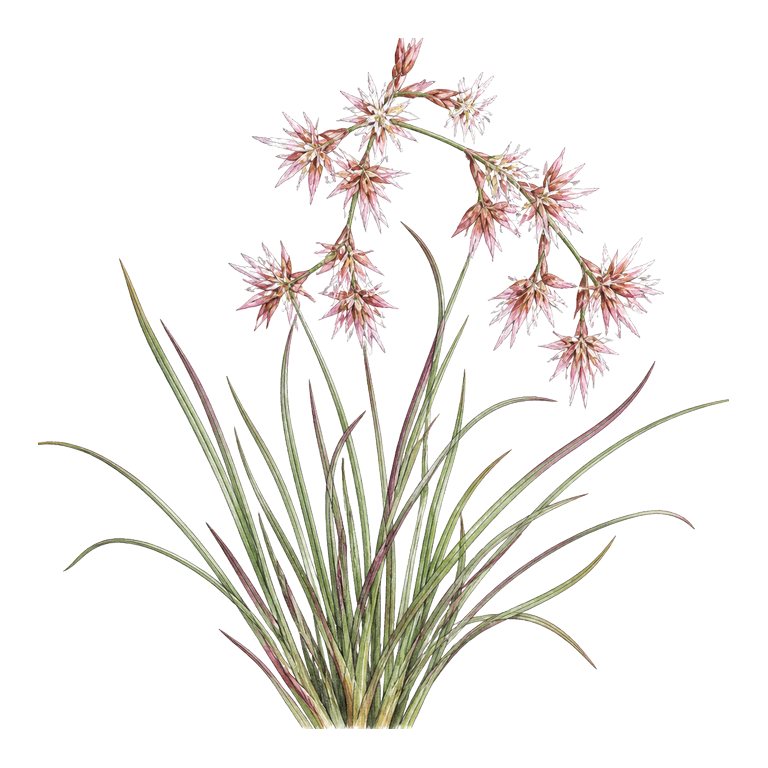
A strictly Azores-endemic woodrush included in the complete 2026 archipelago assessment.
Pico context: Check the current Azorean Biodiversity Portal map before claiming a Pico sighting
2026 research assessment: LC — Least Concern
Michael, Antoni and Nihat Hinczewski · CC BY 4.0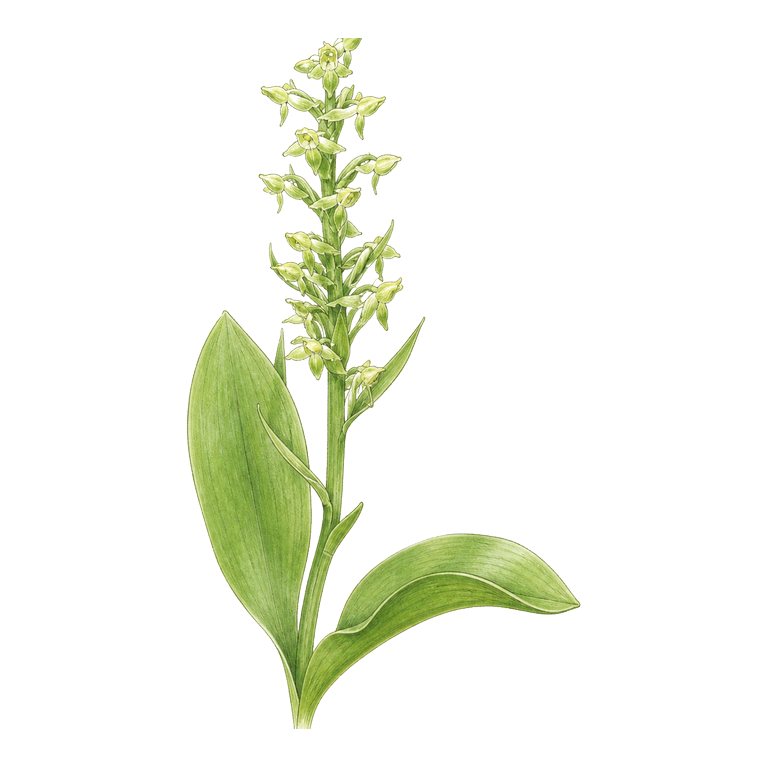
A strictly Azores-endemic orchid included in the complete 2026 archipelago assessment.
Pico context: Check the current Azorean Biodiversity Portal map before claiming a Pico sighting
2026 research assessment: CR — Critically Endangered
Bateman et al · CC BY 3.0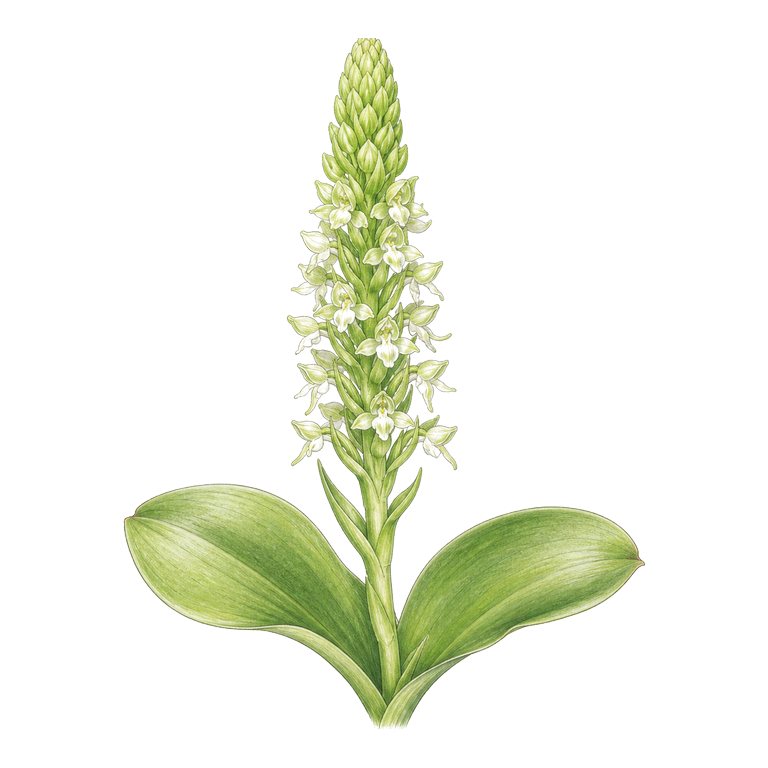
Habitat: Bogs, wet heath, pasture margins and native forest openings.
A delicate orchid of wet heath and native upland vegetation.
Pico context: Recorded on Pico
2026 research assessment: EN — Endangered
Stuart Cable · CC BY 4.0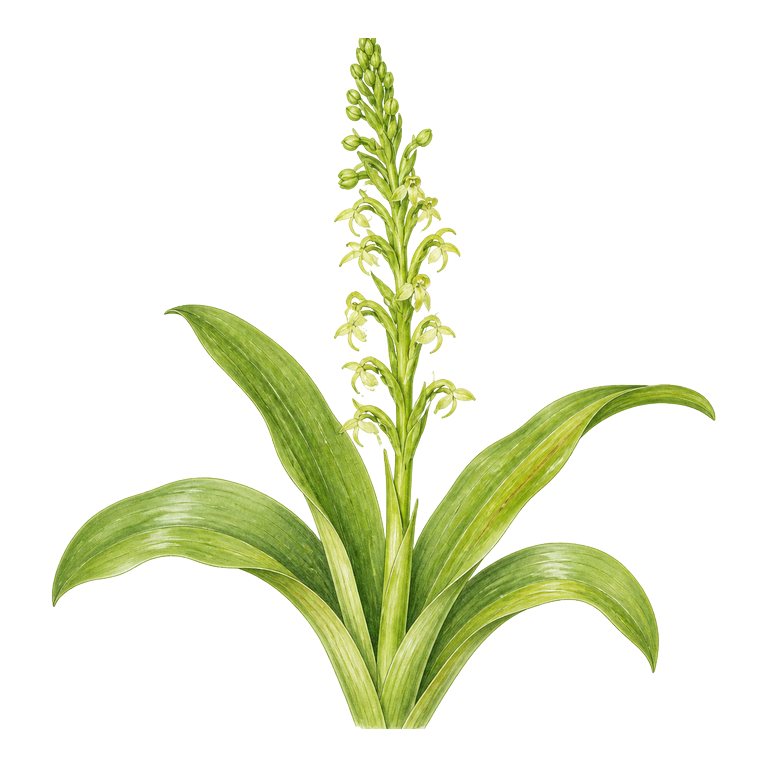
A strictly Azores-endemic orchid included in the complete 2026 archipelago assessment.
Pico context: Check the current Azorean Biodiversity Portal map before claiming a Pico sighting
2026 research assessment: VU — Vulnerable
Michael, Antoni and Nihat Hinczewski · CC BY 4.0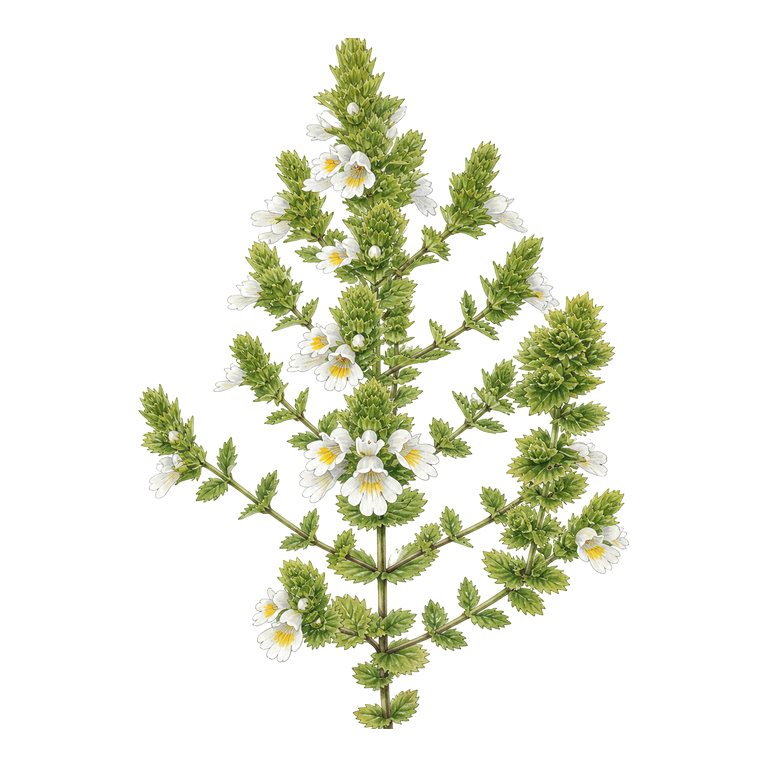
A strictly Azores-endemic eyebright included in the complete 2026 archipelago assessment.
Pico context: Check the current Azorean Biodiversity Portal map before claiming a Pico sighting
2026 research assessment: EN — Endangered
Ljaž · CC BY 4.0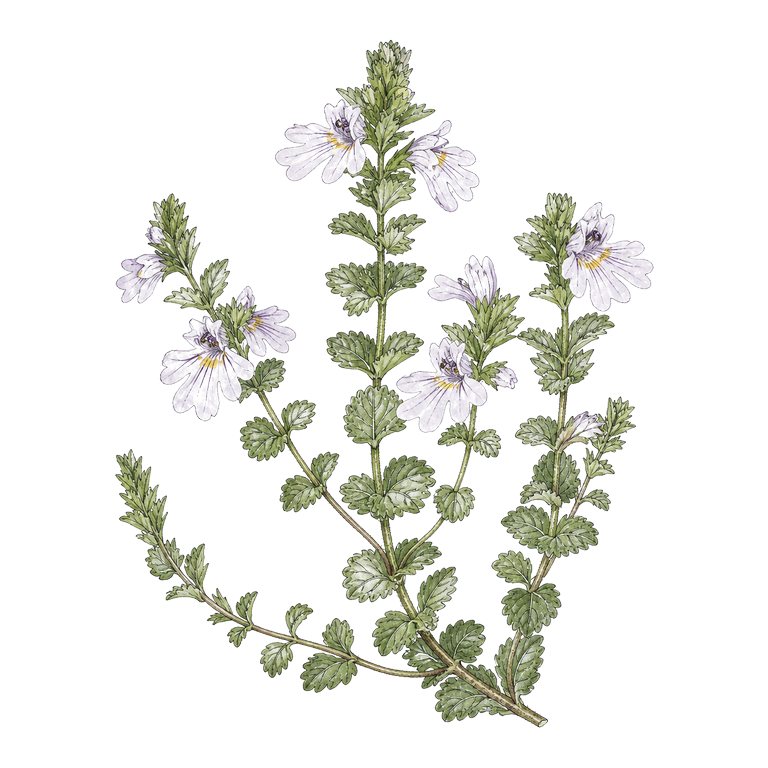
A strictly Azores-endemic eyebright included in the complete 2026 archipelago assessment.
Pico context: Check the current Azorean Biodiversity Portal map before claiming a Pico sighting
2026 research assessment: EN — Endangered
Hochstetter, Christian Ferdinand; Hochstetter, Karl Christian Friedrich; Seubert, Moritz · Public domain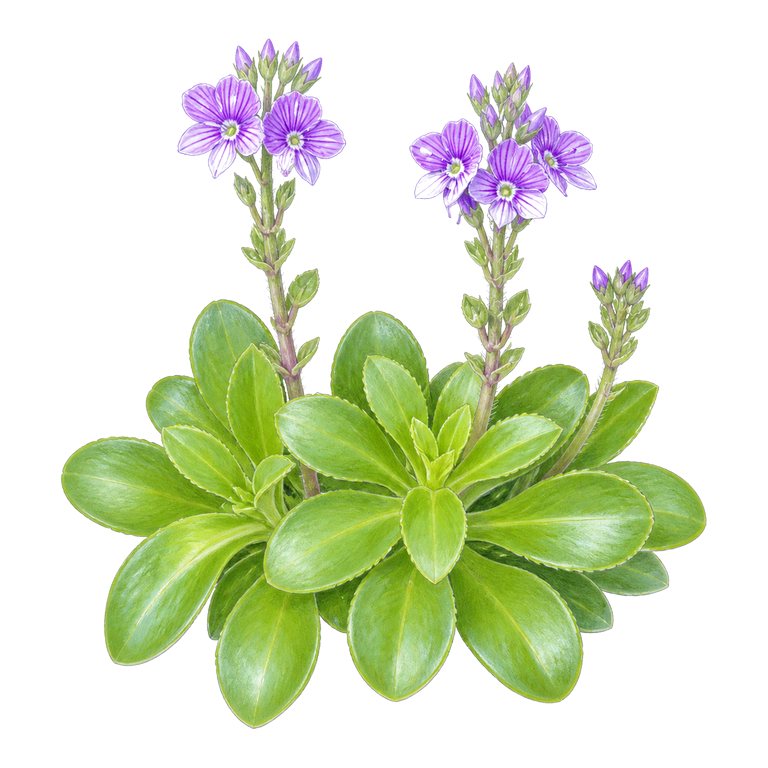
A strictly Azores-endemic speedwell included in the complete 2026 archipelago assessment.
Pico context: Check the current Azorean Biodiversity Portal map before claiming a Pico sighting
2026 research assessment: CR — Critically Endangered
Fcardigos · CC BY-SA 3.0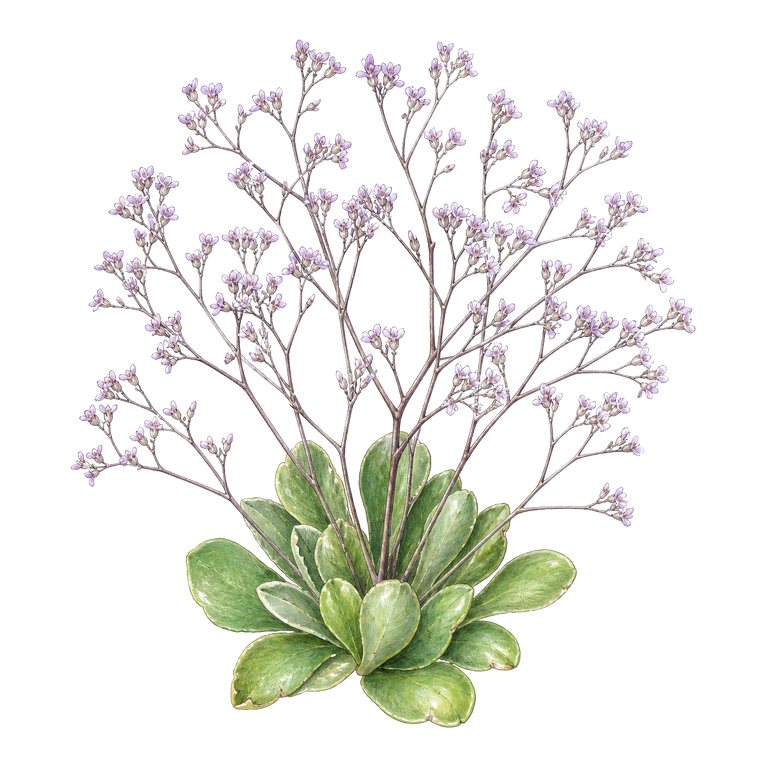
A strictly Azores-endemic leadwort-family plant included in the complete 2026 archipelago assessment.
Pico context: Check the current Azorean Biodiversity Portal map before claiming a Pico sighting
2026 research assessment: LC — Least Concern
Celestino Quintela Sabarís · CC BY 4.0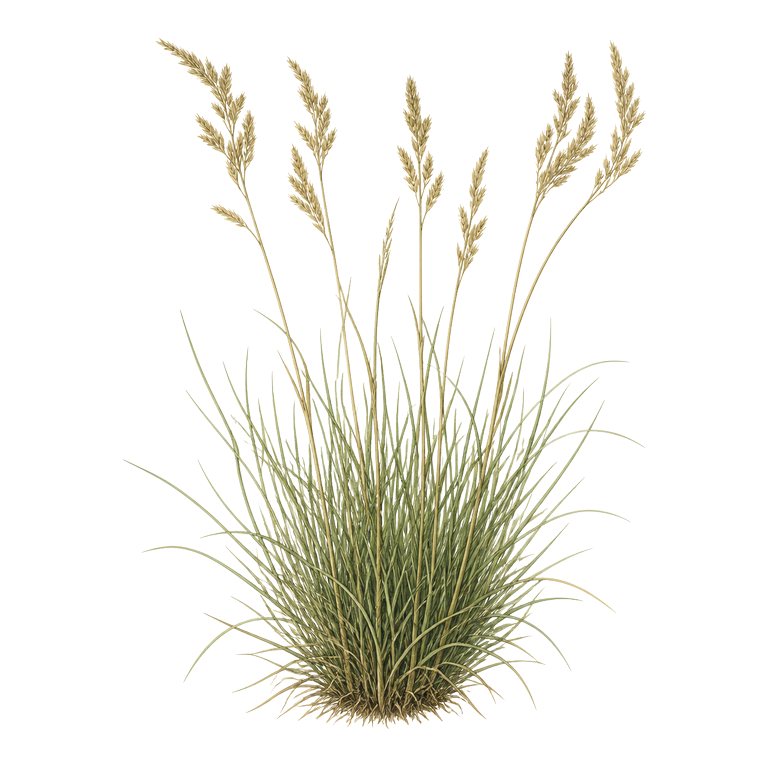
A strictly Azores-endemic grass; the 2026 assessment records it as Data Deficient because evidence or taxonomy remains unresolved.
Pico context: Check the current Azorean Biodiversity Portal map before claiming a Pico sighting
2026 research assessment: DD — Data Deficient
Herbarium of the University of Coimbra, Portugal (COI) · CC BY 4.0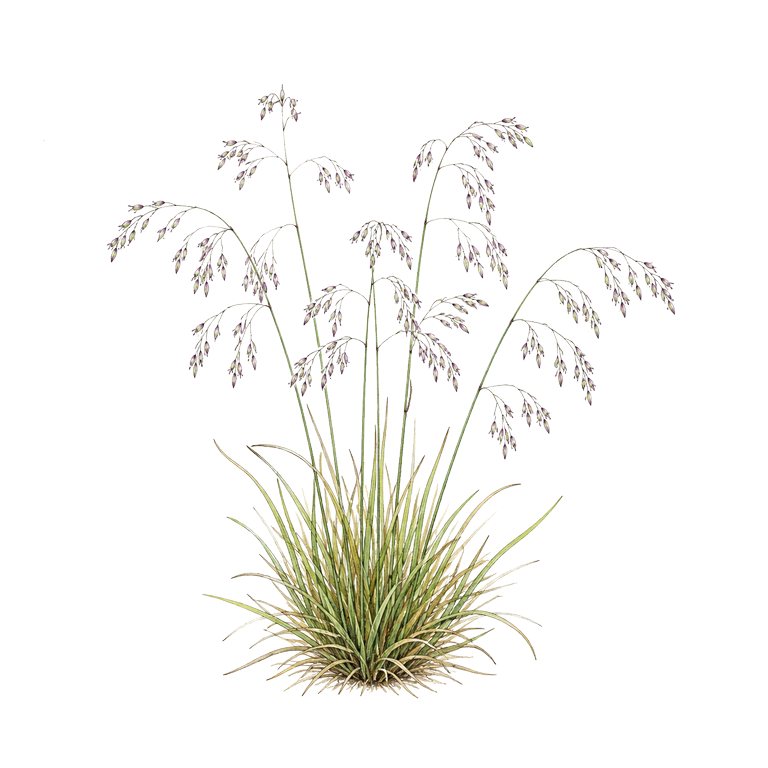
A strictly Azores-endemic grass; the 2026 assessment records it as Data Deficient because evidence or taxonomy remains unresolved.
Pico context: Check the current Azorean Biodiversity Portal map before claiming a Pico sighting
2026 research assessment: DD — Data Deficient
© Atlantic Heritage Unipessoal Lda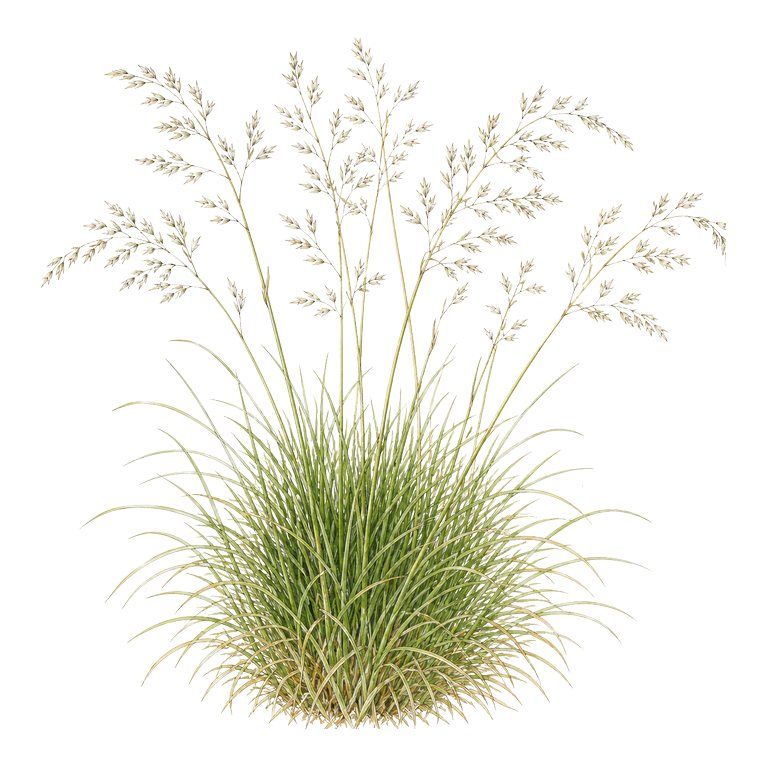
A strictly Azores-endemic grass included in the complete 2026 archipelago assessment.
Pico context: Check the current Azorean Biodiversity Portal map before claiming a Pico sighting
2026 research assessment: NT — Near Threatened
Ljaž · CC BY 4.0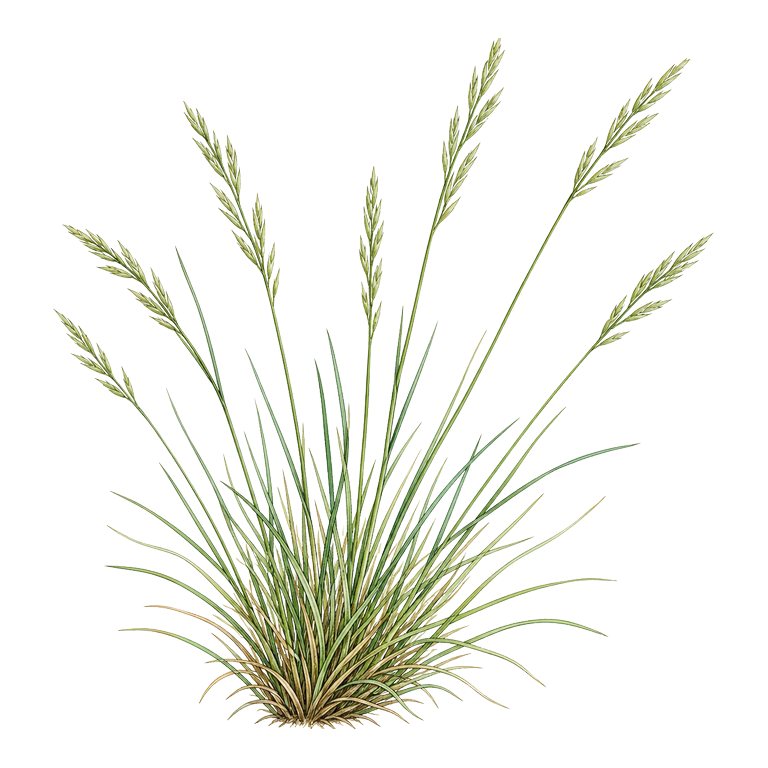
A strictly Azores-endemic grass included in the complete 2026 archipelago assessment.
Pico context: Check the current Azorean Biodiversity Portal map before claiming a Pico sighting
2026 research assessment: NT — Near Threatened
Michael, Antoni and Nihat Hinczewski · CC BY 4.0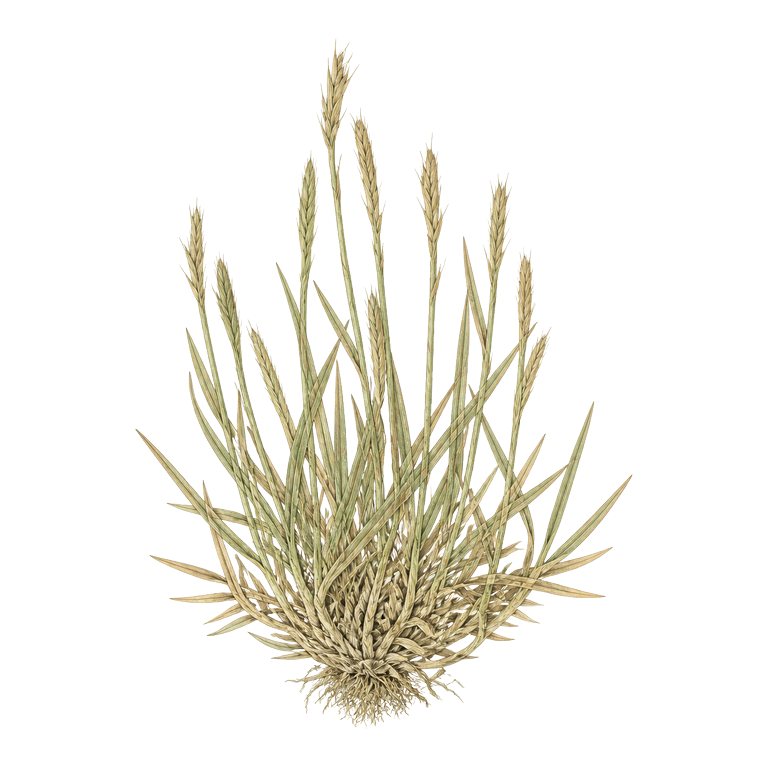
A strictly Azores-endemic grass included in the complete 2026 archipelago assessment.
Pico context: Check the current Azorean Biodiversity Portal map before claiming a Pico sighting
2026 research assessment: LC — Least Concern
Hansen A · CC0 1.0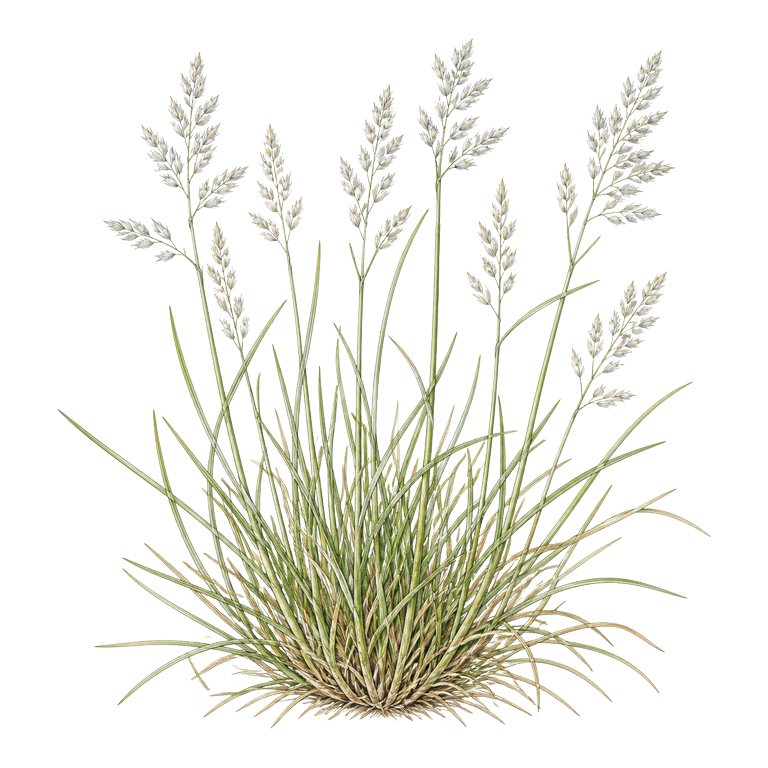
A strictly Azores-endemic grass included in the complete 2026 archipelago assessment.
Pico context: Check the current Azorean Biodiversity Portal map before claiming a Pico sighting
2026 research assessment: LC — Least Concern
Ljaž · CC BY 4.0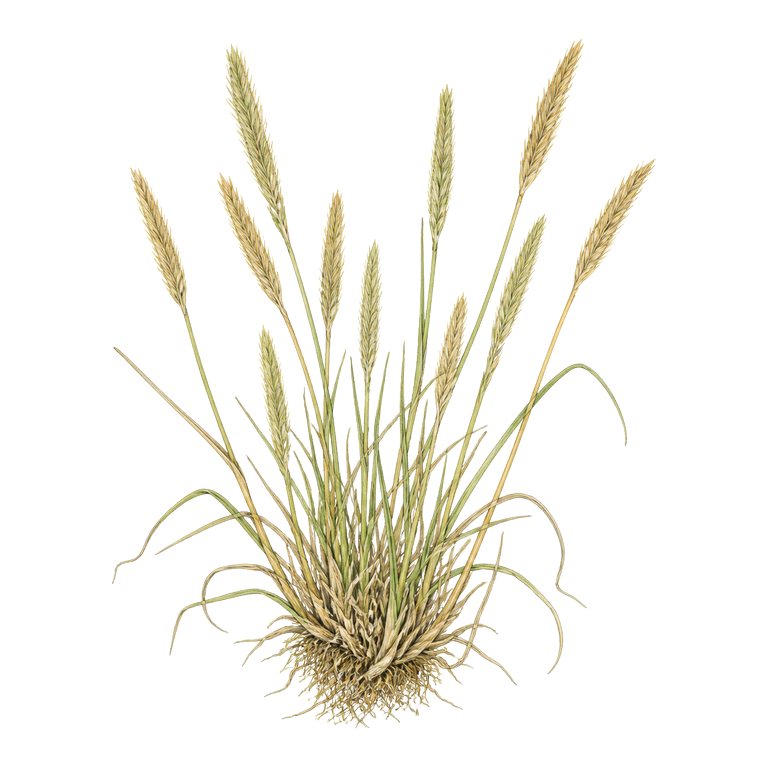
A strictly Azores-endemic grass included in the complete 2026 archipelago assessment.
Pico context: Check the current Azorean Biodiversity Portal map before claiming a Pico sighting
2026 research assessment: VU — Vulnerable
Hansen, A. · CC BY 4.0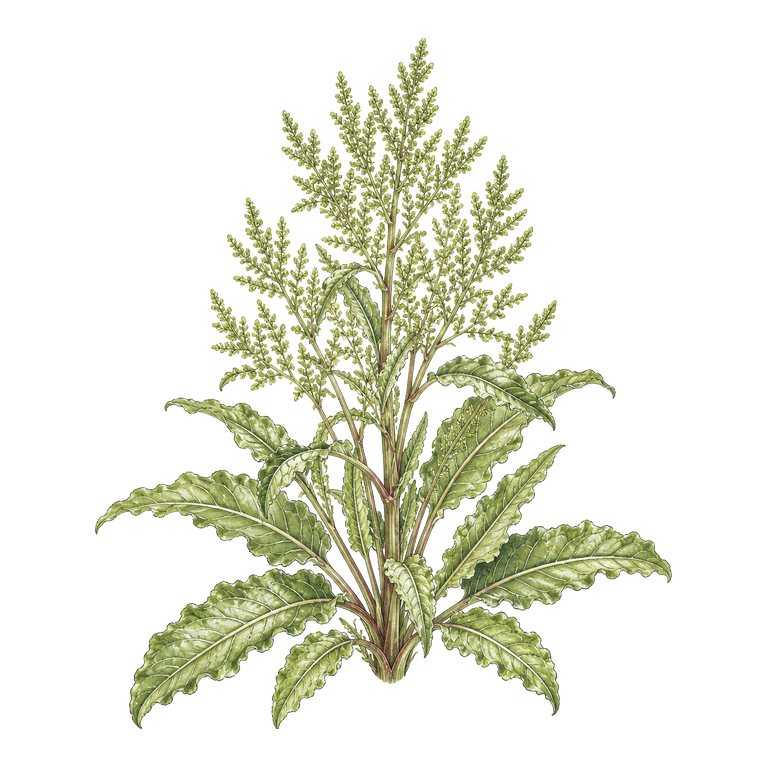
Habitat: Moist ground, ravines and forest openings.
A rare broad-leaved herb of damp island habitat.
Pico context: Check the current Azorean Biodiversity Portal map before claiming a Pico sighting
2026 research assessment: EN — Endangered
Ljaž · CC BY 4.0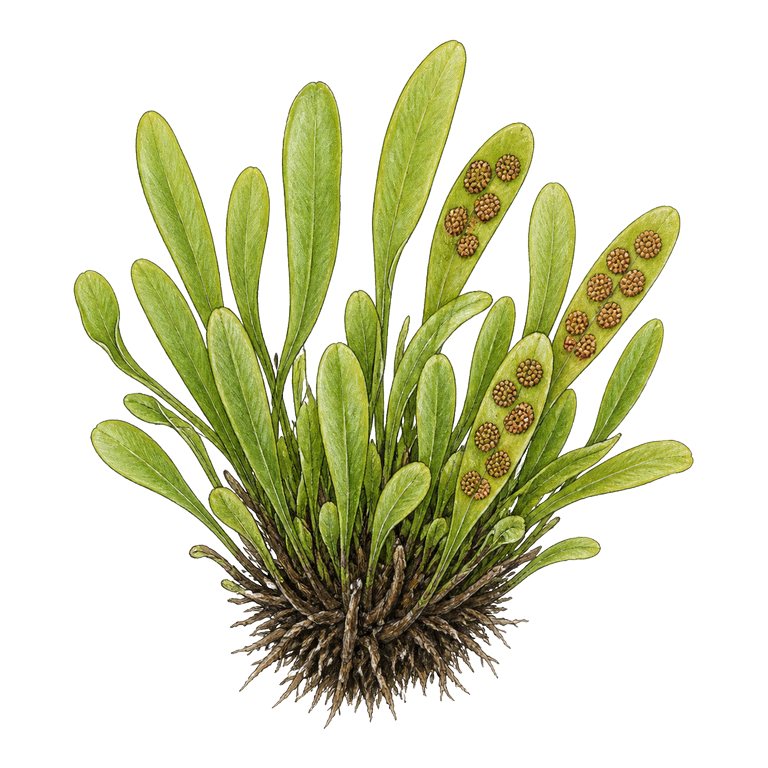
A strictly Azores-endemic fern included in the complete 2026 archipelago assessment.
Pico context: Check the current Azorean Biodiversity Portal map before claiming a Pico sighting
2026 research assessment: CR — Critically Endangered
Rui Elias · CC BY 4.0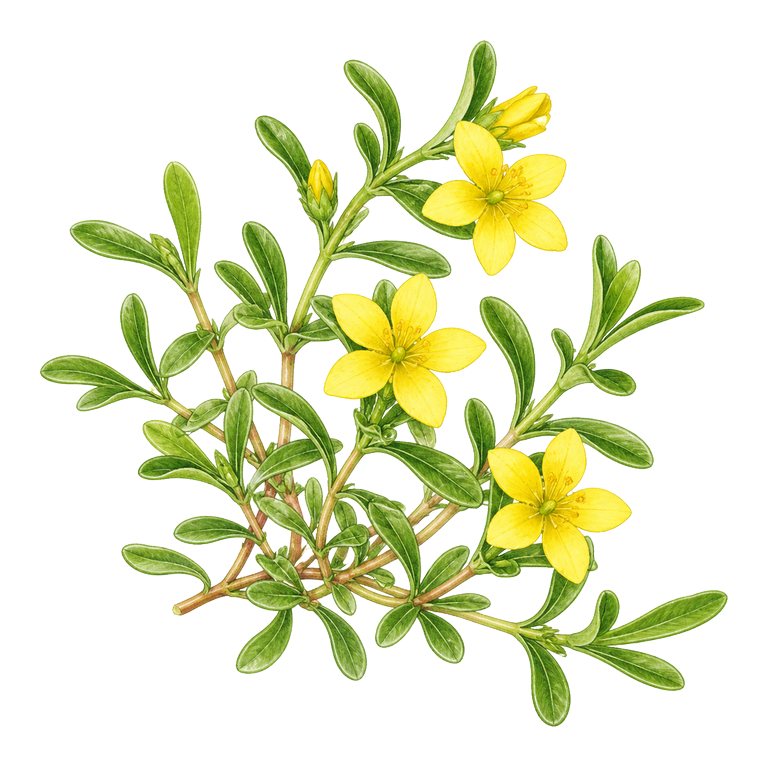
A strictly Azores-endemic primrose-family plant included in the complete 2026 archipelago assessment.
Pico context: Check the current Azorean Biodiversity Portal map before claiming a Pico sighting
2026 research assessment: LC — Least Concern
zebedeugalinha · CC BY 4.0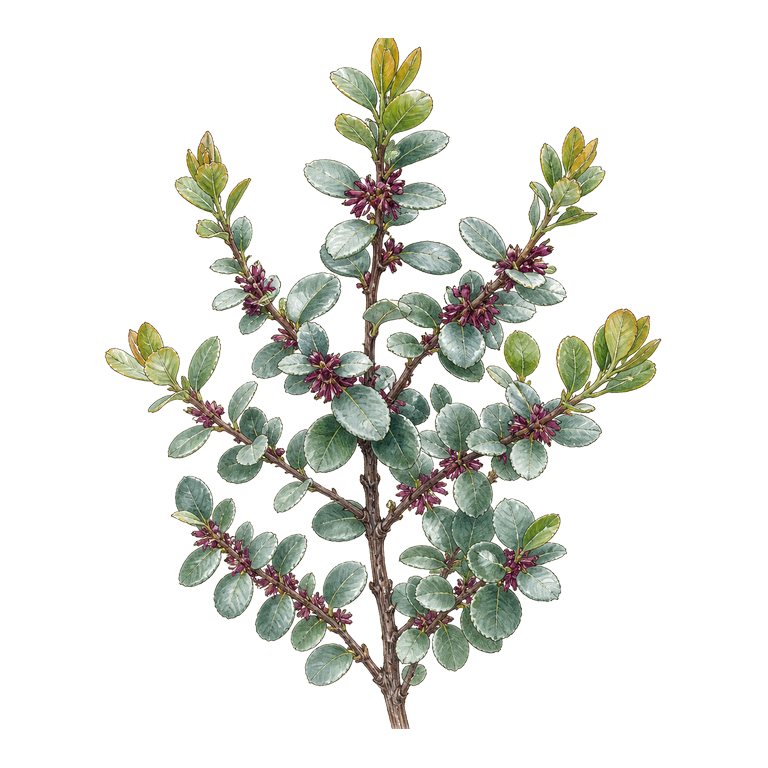
A strictly Azores-endemic primrose-family plant included in the complete 2026 archipelago assessment.
Pico context: Check the current Azorean Biodiversity Portal map before claiming a Pico sighting
2026 research assessment: LC — Least Concern
Mihlali Madikane · CC BY 4.0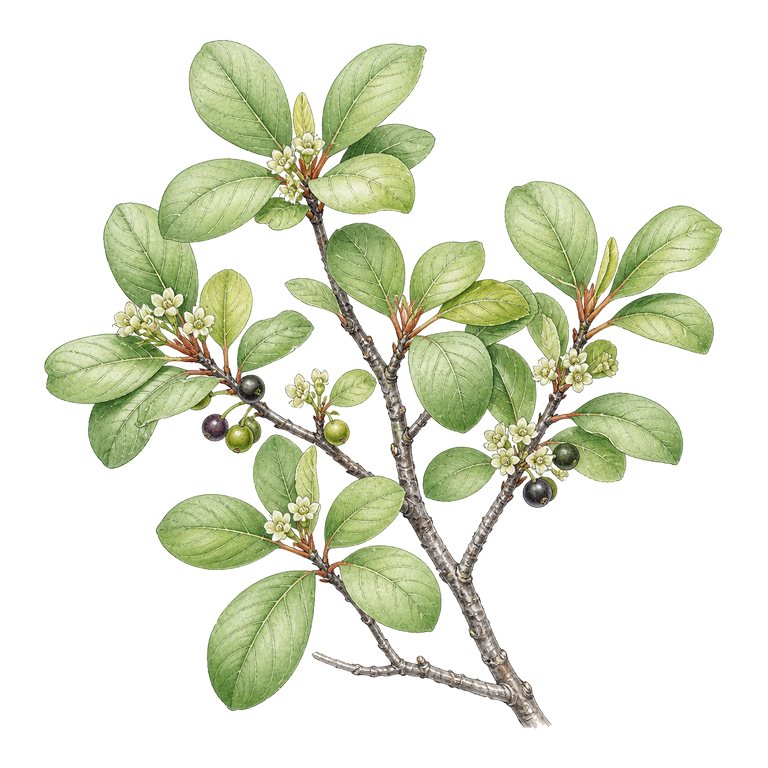
Habitat: Humid native forest and ravines.
A rare laurel-forest tree whose Portuguese name refers to the reddish wood.
Pico context: Recorded on Pico
2026 research assessment: VU — Vulnerable
Stuart Cable · CC BY 4.0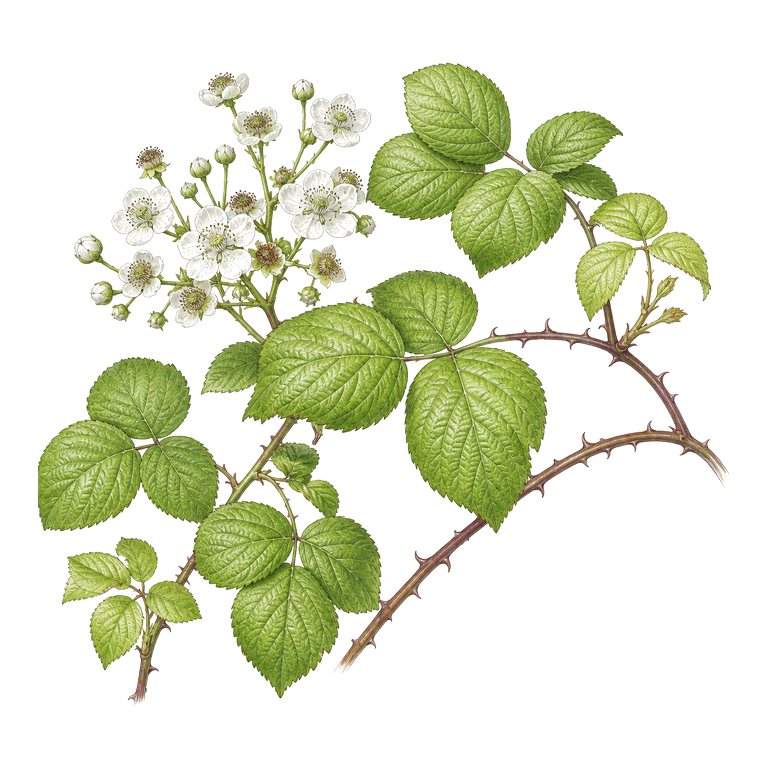
A strictly Azores-endemic rose-family plant; the 2026 assessment records it as Data Deficient because evidence or taxonomy remains unresolved.
Pico context: Check the current Azorean Biodiversity Portal map before claiming a Pico sighting
2026 research assessment: DD — Data Deficient
Louis Imbeau · CC BY 4.0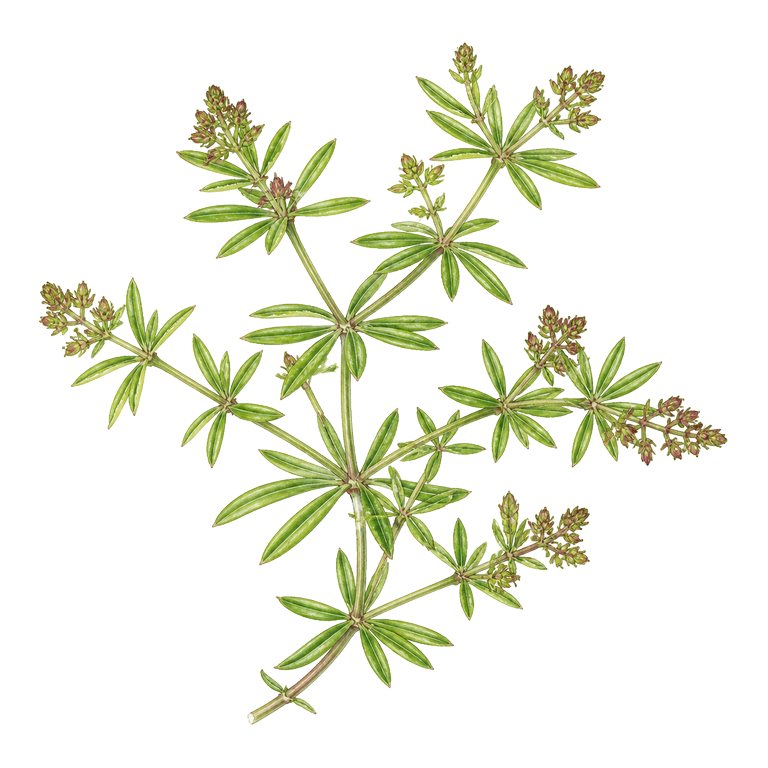
A strictly Azores-endemic madder-family plant included in the complete 2026 archipelago assessment.
Pico context: Check the current Azorean Biodiversity Portal map before claiming a Pico sighting
2026 research assessment: LC — Least Concern
Michael, Antoni and Nihat Hinczewski · CC BY 4.0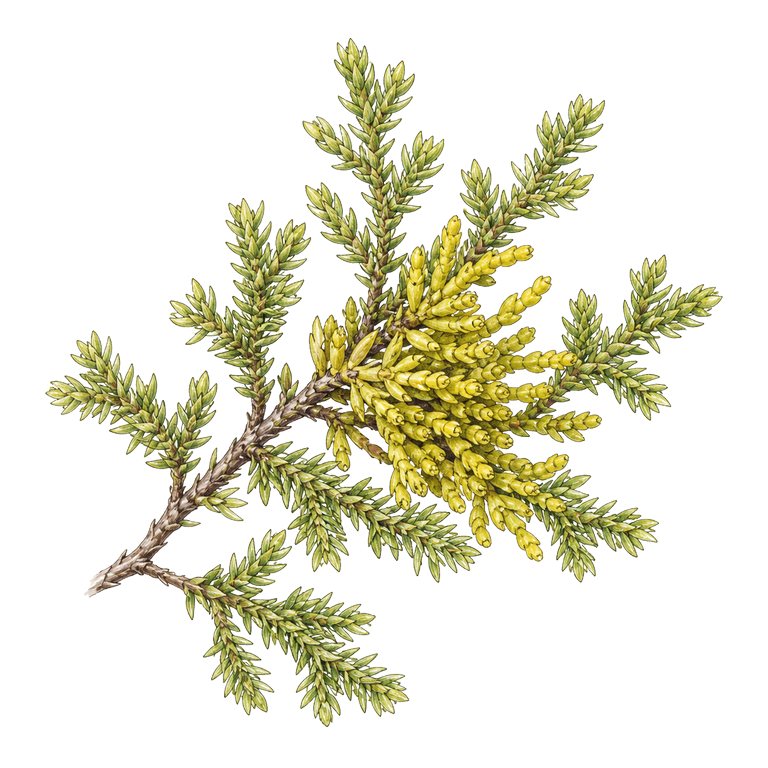
A strictly Azores-endemic dwarf mistletoe included in the complete 2026 archipelago assessment.
Pico context: Check the current Azorean Biodiversity Portal map before claiming a Pico sighting
2026 research assessment: EN — Endangered
zebedeugalinha · CC BY 4.0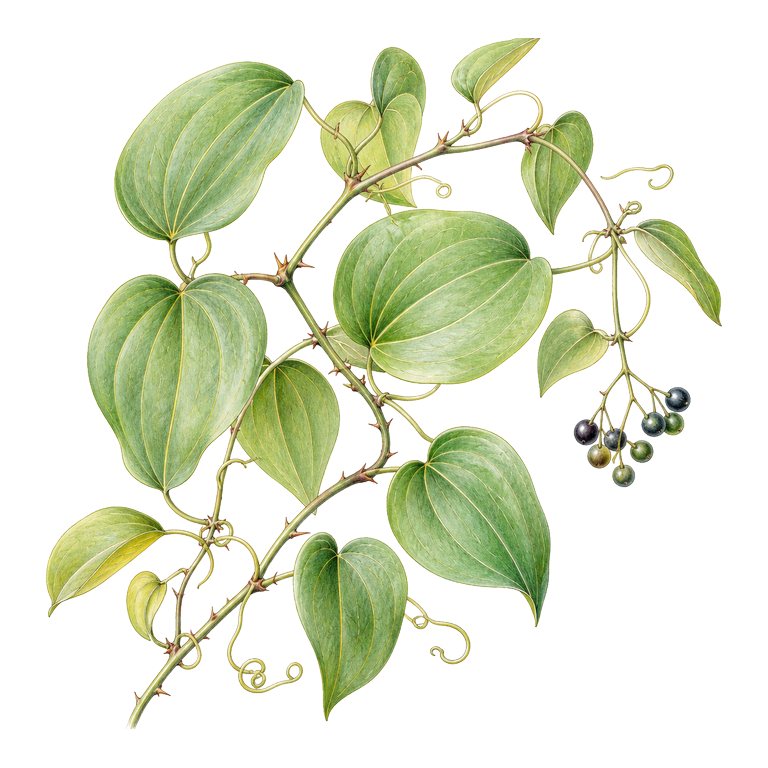
Habitat: Native forest, scrub and sheltered ravines.
No stable Portuguese vernacular is supplied by the cited visitor guide; it is a climbing native of the laurel-forest understory.
Pico context: Check the current Azorean Biodiversity Portal map before claiming a Pico sighting
2026 research assessment: LC — Least Concern
zebedeugalinha · CC BY 4.0Endemic subspecies (18)
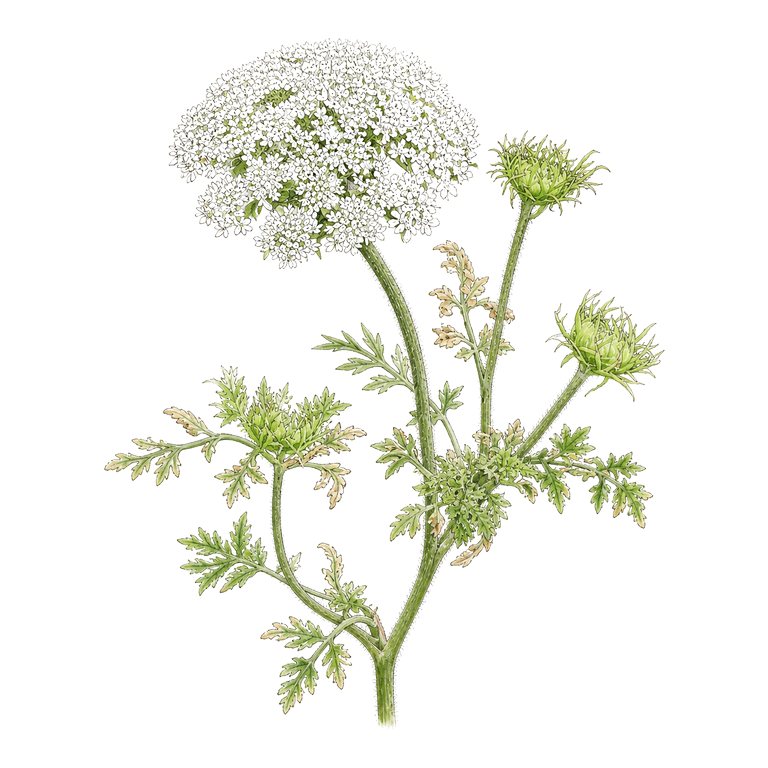
A strictly Azores-endemic umbellifer; the 2026 assessment records it as Data Deficient because evidence or taxonomy remains unresolved.
Pico context: Check the current Azorean Biodiversity Portal map before claiming a Pico sighting
2026 research assessment: DD — Data Deficient
Ixitixel · CC BY-SA 3.0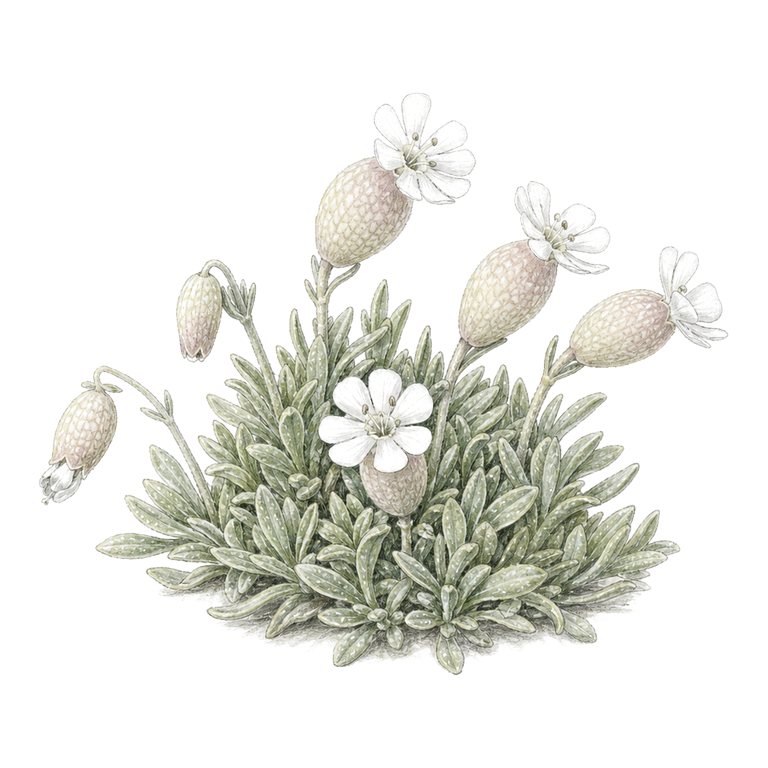
Habitat: Alpine and subalpine volcanic ground.
A Pico-only mountain form growing around the summit crater near 2,200 metres.
Pico context: Recorded on Pico
2026 research assessment: CR — Critically Endangered
Codrin Bucur · CC BY 4.0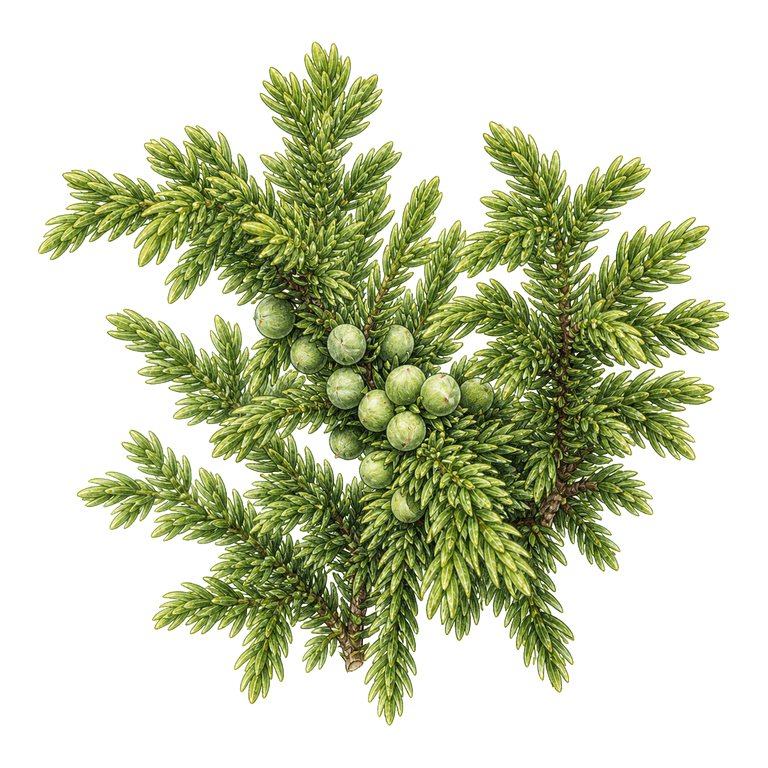
A strictly Azores-endemic juniper included in the complete 2026 archipelago assessment.
Pico context: Check the current Azorean Biodiversity Portal map before claiming a Pico sighting
2026 research assessment: EN — Endangered
Rafael Medina · CC BY 4.0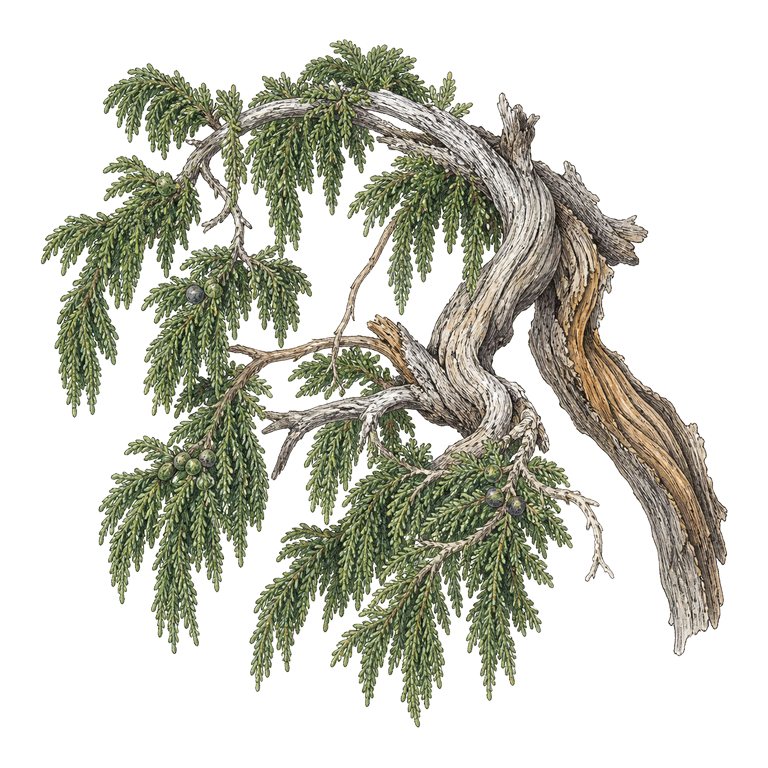
A strictly Azores-endemic juniper included in the complete 2026 archipelago assessment.
Pico context: Check the current Azorean Biodiversity Portal map before claiming a Pico sighting
2026 research assessment: LC — Least Concern
Angrense · Public domain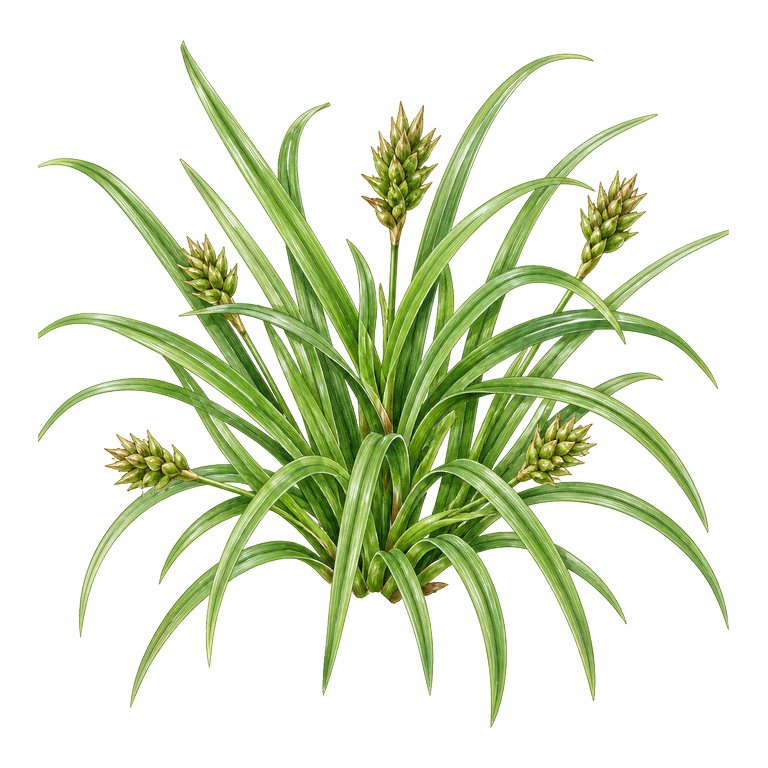
A strictly Azores-endemic sedge included in the complete 2026 archipelago assessment.
Pico context: Check the current Azorean Biodiversity Portal map before claiming a Pico sighting
2026 research assessment: LC — Least Concern
Krzysztof Ziarnek, Kenraiz · CC BY 4.0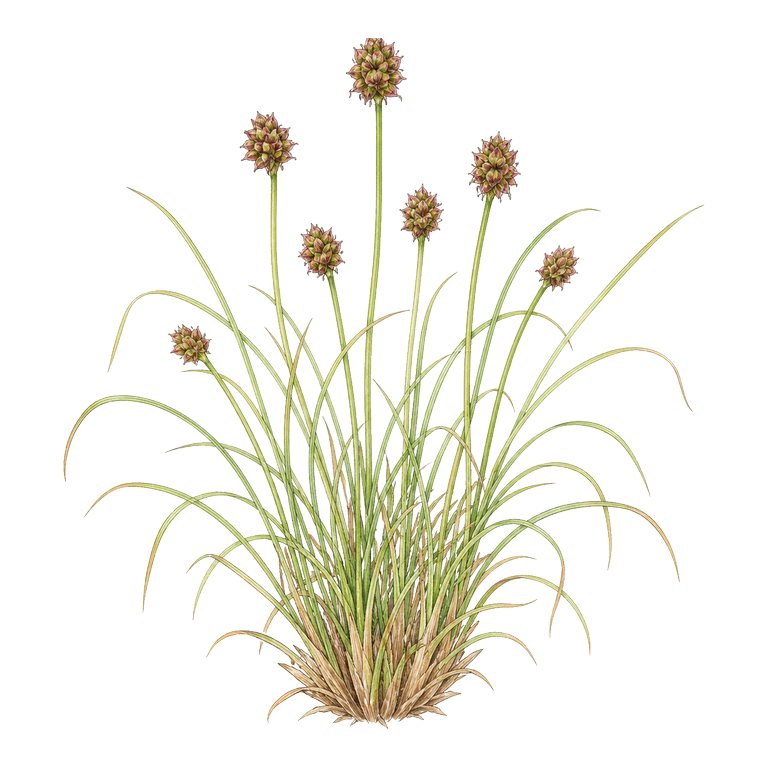
A strictly Azores-endemic sedge included in the complete 2026 archipelago assessment.
Pico context: Check the current Azorean Biodiversity Portal map before claiming a Pico sighting
2026 research assessment: LC — Least Concern
Michael and Antoni Hinczewski · CC BY 4.0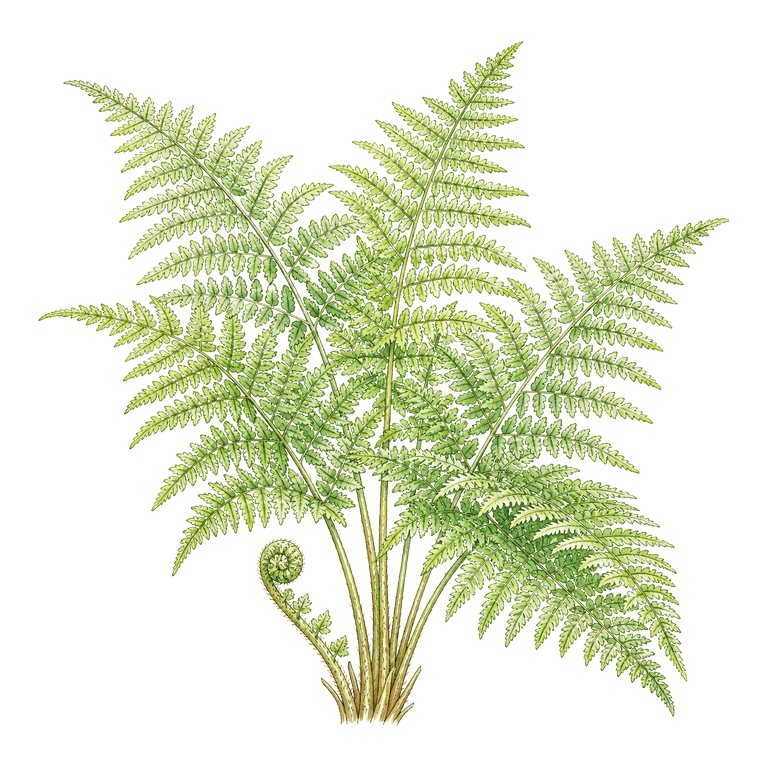
A strictly Azores-endemic wood fern included in the complete 2026 archipelago assessment.
Pico context: Check the current Azorean Biodiversity Portal map before claiming a Pico sighting
2026 research assessment: LC — Least Concern
Celestino Quintela Sabarís · CC BY 4.0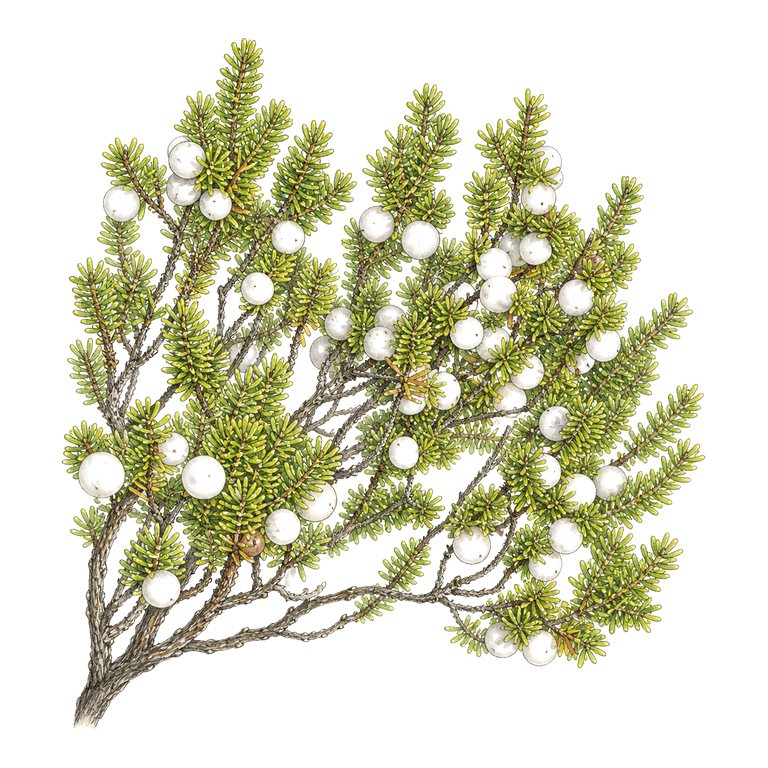
A strictly Azores-endemic heath-family plant included in the complete 2026 archipelago assessment.
Pico context: Check the current Azorean Biodiversity Portal map before claiming a Pico sighting
2026 research assessment: EN — Endangered
Júlio Reis ( Tintazul ) · CC BY-SA 2.5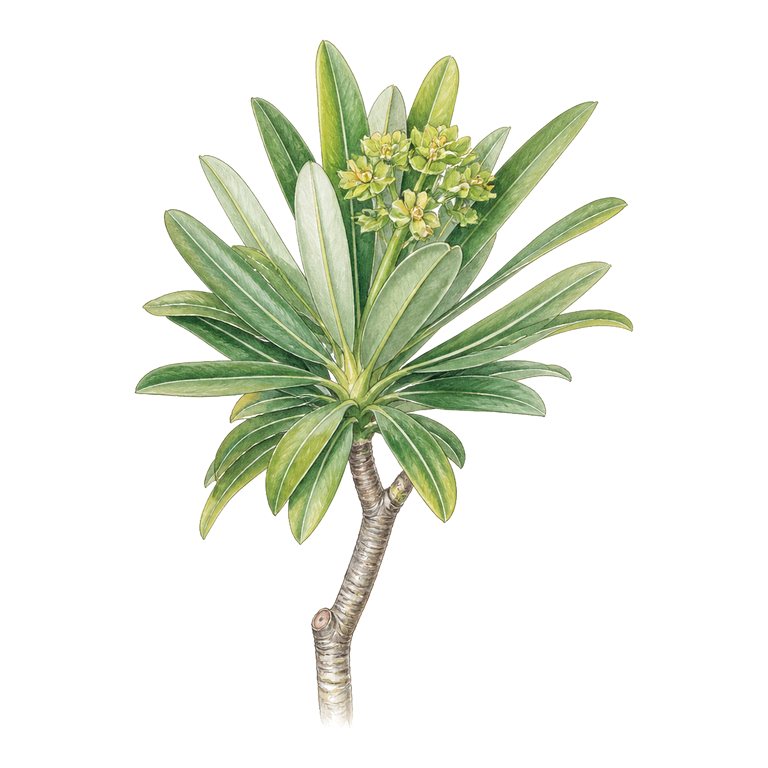
Habitat: Humid native scrub and forest margins.
A striking shrub of Pico's central protected landscape.
Pico context: Recorded on Pico
2026 research assessment: EN — Endangered
Stuart Cable · CC BY 4.0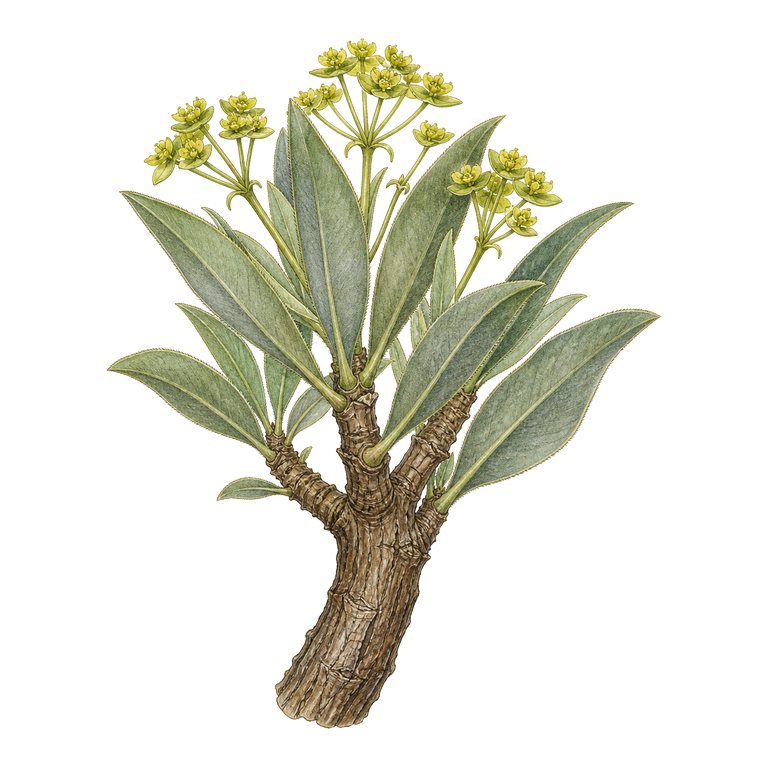
A strictly Azores-endemic spurge included in the complete 2026 archipelago assessment.
Pico context: Check the current Azorean Biodiversity Portal map before claiming a Pico sighting
2026 research assessment: CR — Critically Endangered
© Atlantic Heritage Unipessoal Lda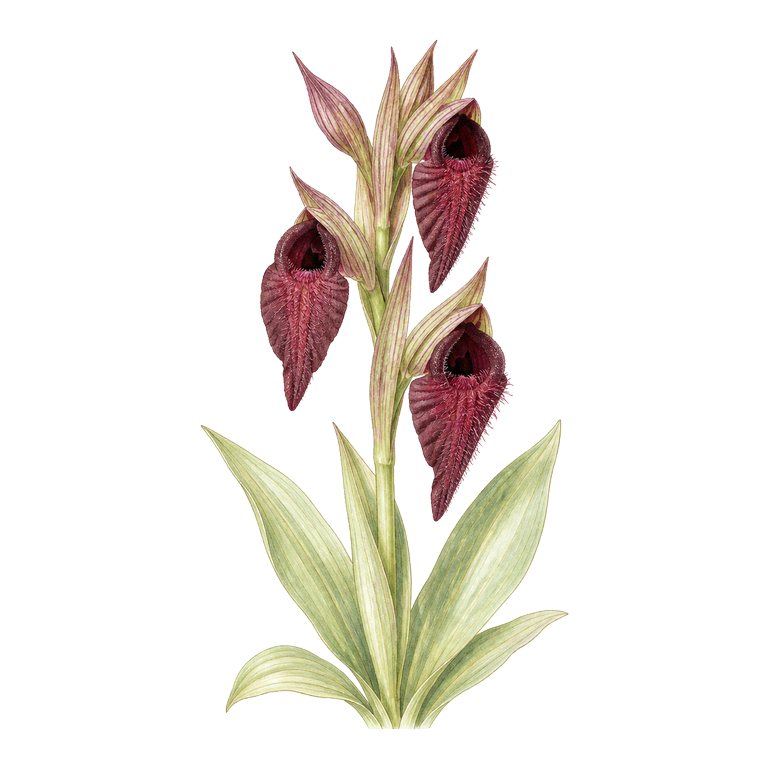
A strictly Azores-endemic orchid included in the complete 2026 archipelago assessment.
Pico context: Check the current Azorean Biodiversity Portal map before claiming a Pico sighting
2026 research assessment: EN — Endangered
Motohiro Sunouchi · CC BY 4.0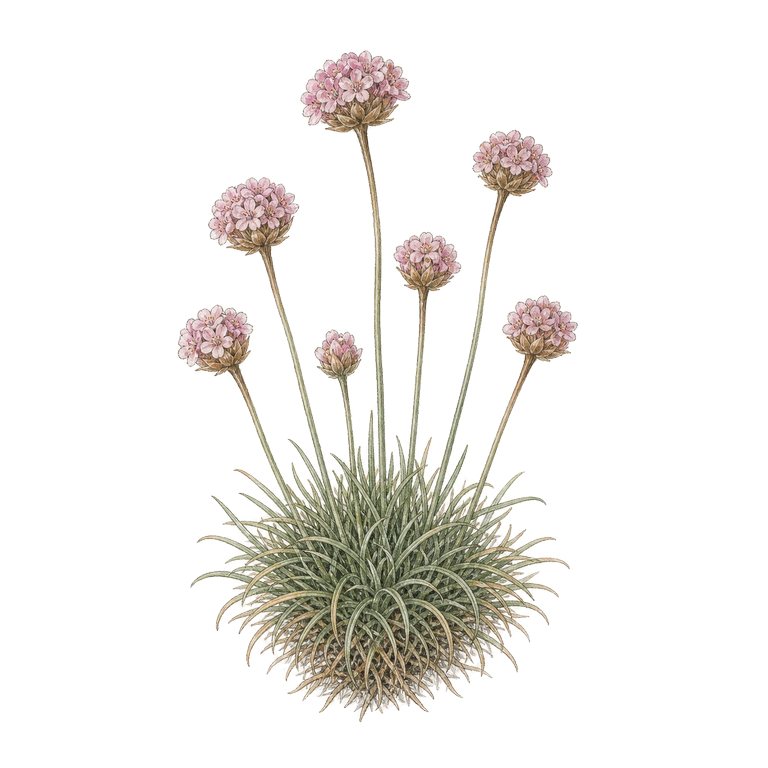
An extinct, strictly Azores-endemic leadwort-family plant, retained here as part of the archipelago's documented botanical heritage.
Pico context: Not naturally present on Pico
2026 research assessment: EX — Extinct
© Atlantic Heritage Unipessoal Lda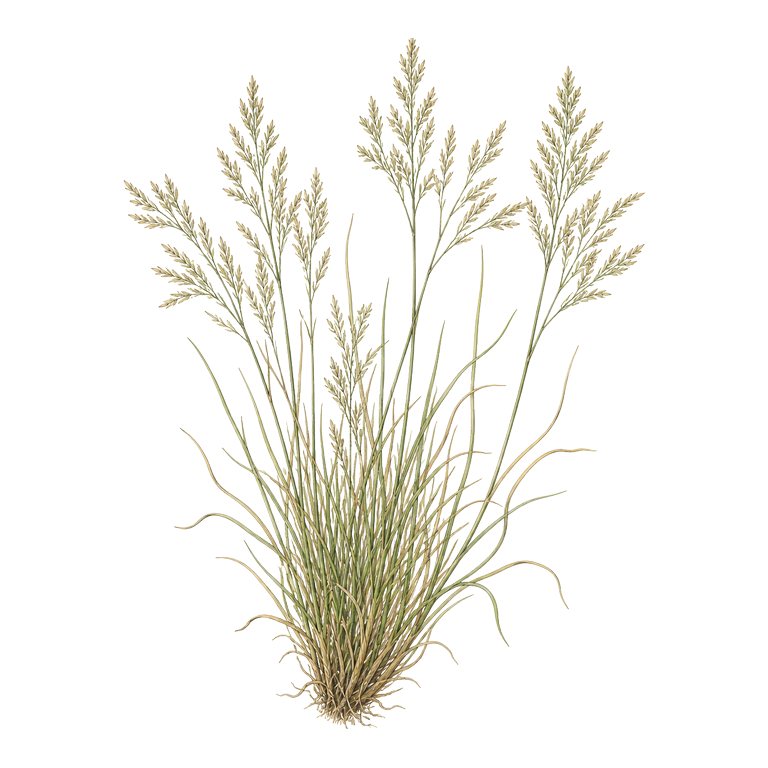
A strictly Azores-endemic grass; the 2026 assessment records it as Data Deficient because evidence or taxonomy remains unresolved.
Pico context: Check the current Azorean Biodiversity Portal map before claiming a Pico sighting
2026 research assessment: DD — Data Deficient
Herbarium of the University of Coimbra, Portugal (COI) · CC BY 4.0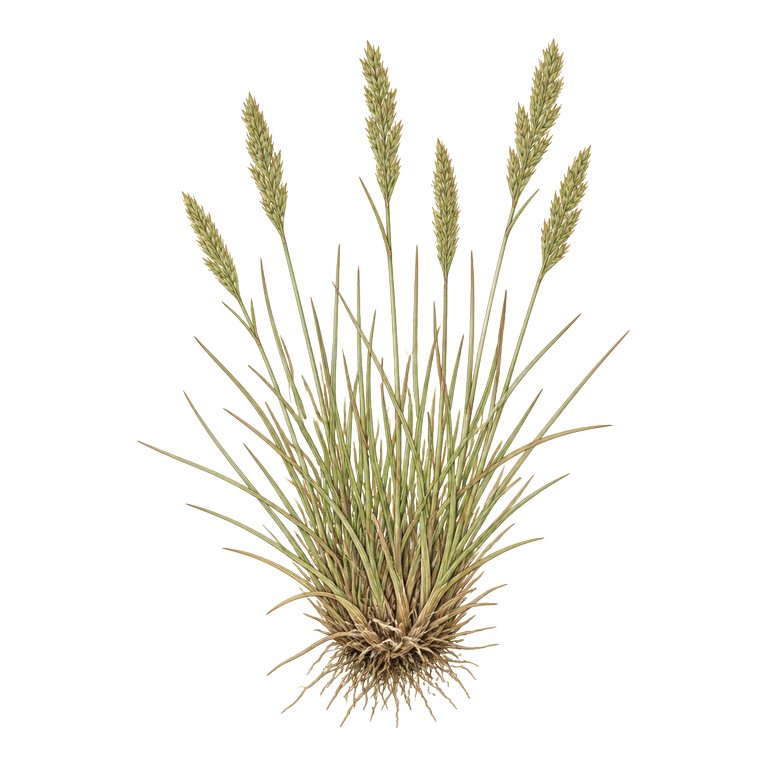
A strictly Azores-endemic grass; the 2026 assessment records it as Data Deficient because evidence or taxonomy remains unresolved.
Pico context: Check the current Azorean Biodiversity Portal map before claiming a Pico sighting
2026 research assessment: DD — Data Deficient
Warburg, E.F.; Tutin, T.G. · CC BY 4.0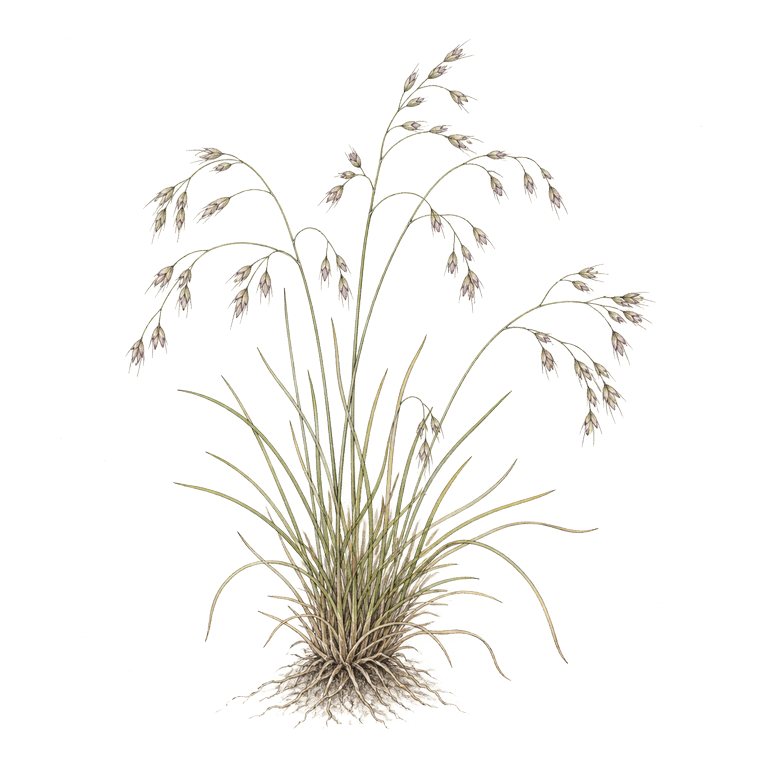
A strictly Azores-endemic grass; the 2026 assessment records it as Data Deficient because evidence or taxonomy remains unresolved.
Pico context: Check the current Azorean Biodiversity Portal map before claiming a Pico sighting
2026 research assessment: DD — Data Deficient
© Atlantic Heritage Unipessoal Lda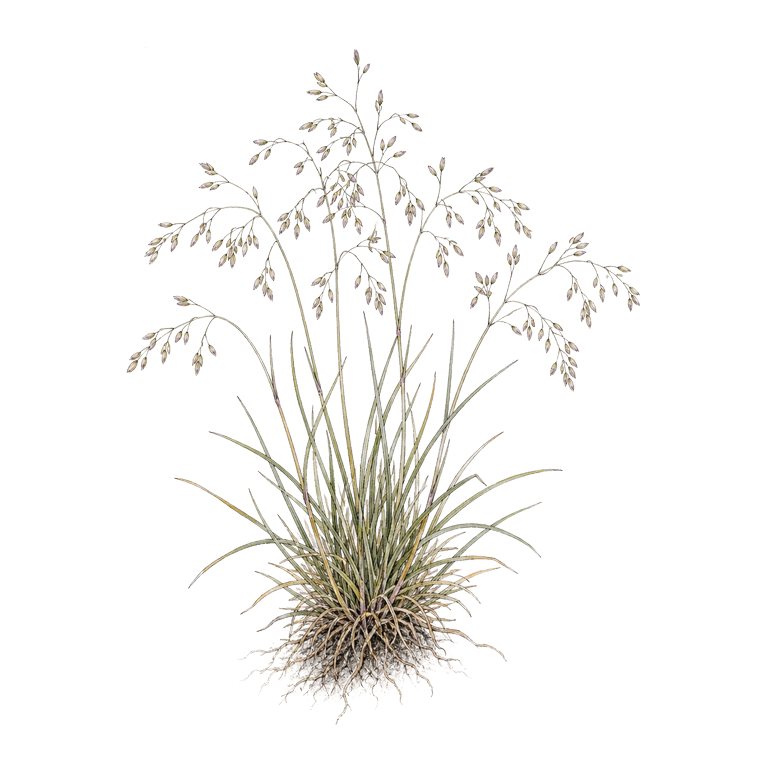
A strictly Azores-endemic grass; the 2026 assessment records it as Data Deficient because evidence or taxonomy remains unresolved.
Pico context: Check the current Azorean Biodiversity Portal map before claiming a Pico sighting
2026 research assessment: DD — Data Deficient
© Atlantic Heritage Unipessoal Lda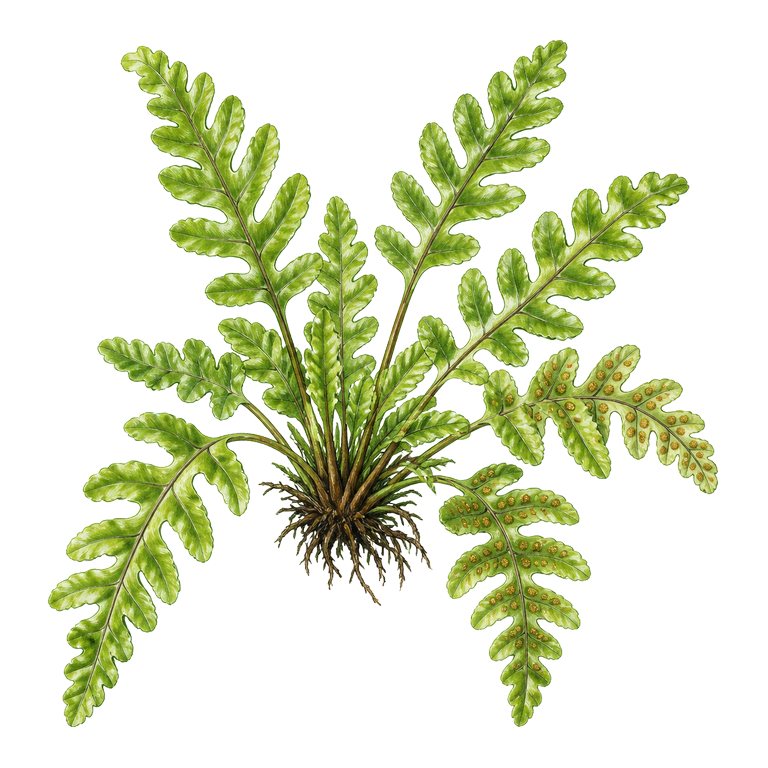
A strictly Azores-endemic fern included in the complete 2026 archipelago assessment.
Pico context: Check the current Azorean Biodiversity Portal map before claiming a Pico sighting
2026 research assessment: LC — Least Concern
Frank Vassen from Brussels, Belgium · CC BY 2.0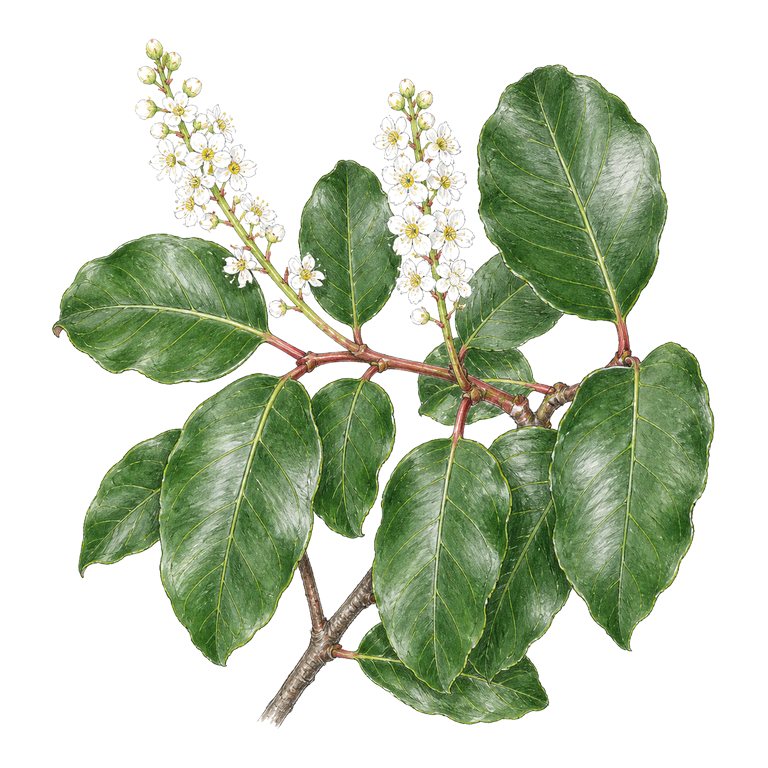
Habitat: Humid laurel forest and sheltered slopes.
An increasingly scarce tree of the original island forest.
Pico context: Recorded on Pico
2026 research assessment: EN — Endangered
Ixitixel · CC BY-SA 3.0Sources and verification
Official and primary sources used for this article. Links checked 4 September 2026.