Quick answer
An illustrated identification guide to 13 endemic or distinctive Azorean bird taxa, with habitat and conservation context.
Birds of the Azores: 13 Endemic or Distinctive Taxa
Curated 13-taxon visitor directory: 11 taxa are restricted to the Azores under IOC v15.2; two are distinctive Macaronesian subspecies with wider ranges.
Species and subspecies are labelled separately; inclusion means Azores-endemic or regionally distinctive, not that every taxon is confined to the archipelago.
Birds of the Azores: 13 Endemic or Distinctive Taxa
Curated 13-taxon visitor directory: 11 taxa are restricted to the Azores under IOC v15.2; two are distinctive Macaronesian subspecies with wider ranges.
Older sources may list the Azores chaffinch as Fringilla coelebs moreletti; this guide follows the IOC treatment of Fringilla moreletti as a full species.
Editorial orientation only: These visitor bands describe encounter likelihood, not global conservation status or a sighting guarantee. Island, season, habitat, depth, weather and luck all matter.
Common or more likely encounters in the Azores9
Endemic or distinctive species (1)
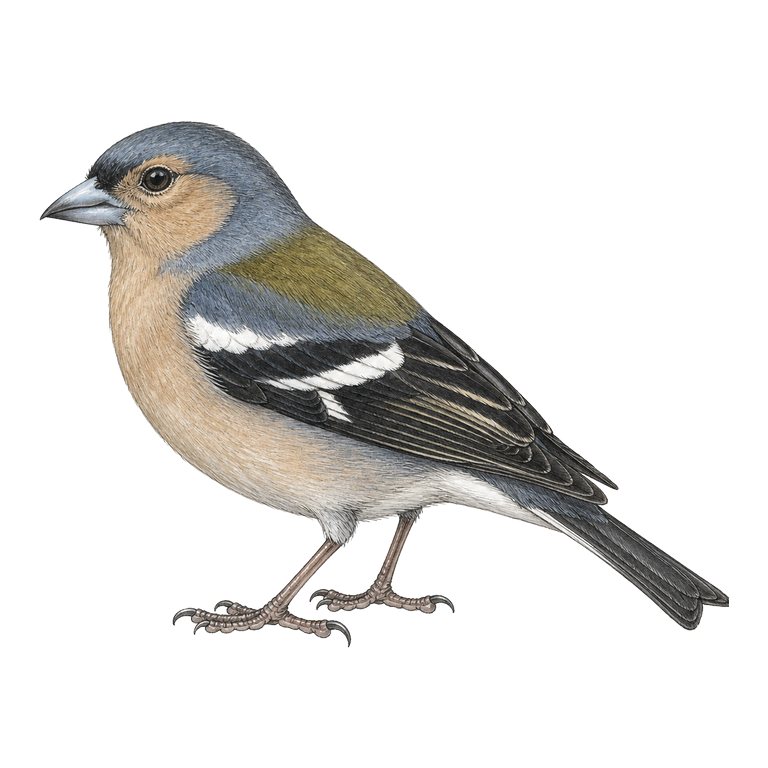
A familiar Pico bird from sea level to the high mountain; the IOC now treats it as a full species.
Pico context: Widespread and readily observed across Pico.
Conservation context: Recent taxonomic split; avoid copying a parent-species threat category without checking the current IOC/IUCN treatment.
Martin Gutewort · CC BY 4.0Endemic or distinctive subspecies (8)
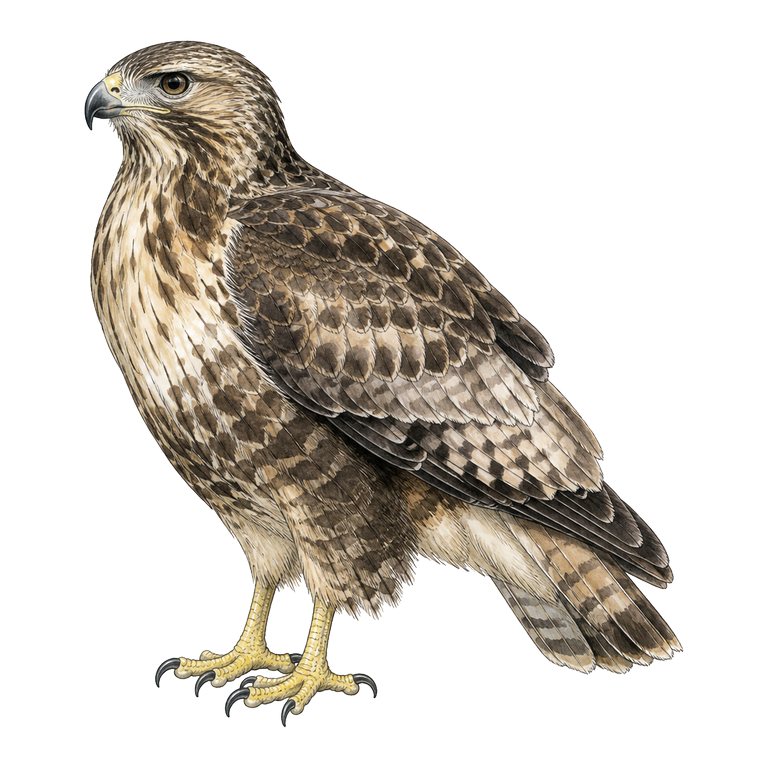
The archipelago's only resident diurnal bird of prey; 'milhafre' is the emblematic Azorean name.
Pico context: Frequently seen soaring over Pico's fields, woods and lava landscapes.
Conservation context: Endemic subspecies; the parent species is assessed separately at global level.
Hobbyfotowiki · CC0 1.0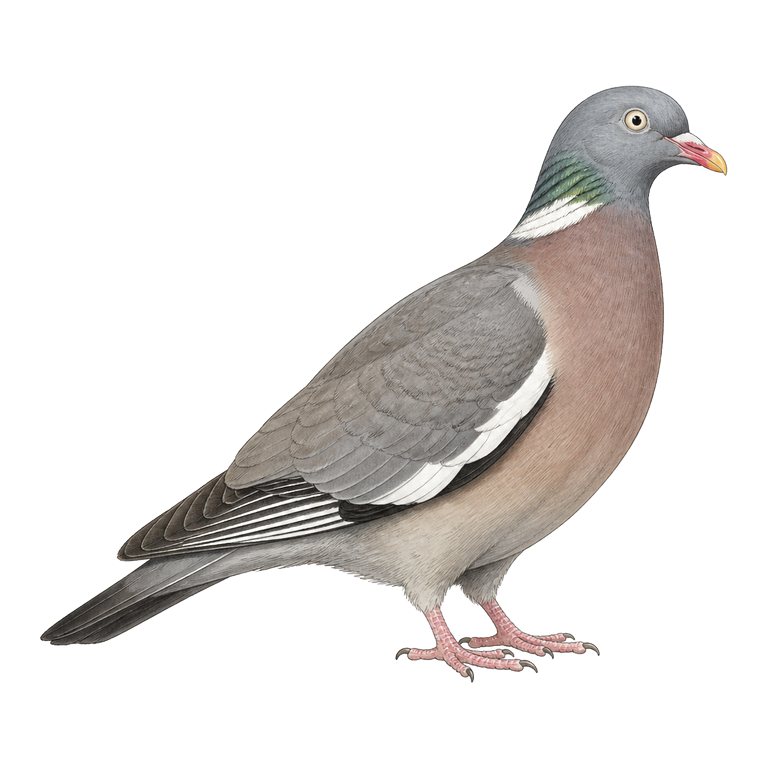
A native-forest pigeon closely associated with the laurel-forest landscape.
Pico context: Recorded across Pico, especially around wooded and semi-natural country.
Conservation context: Endemic subspecies; the parent species is assessed separately at global level.
tommarekbrno · CC BY 4.0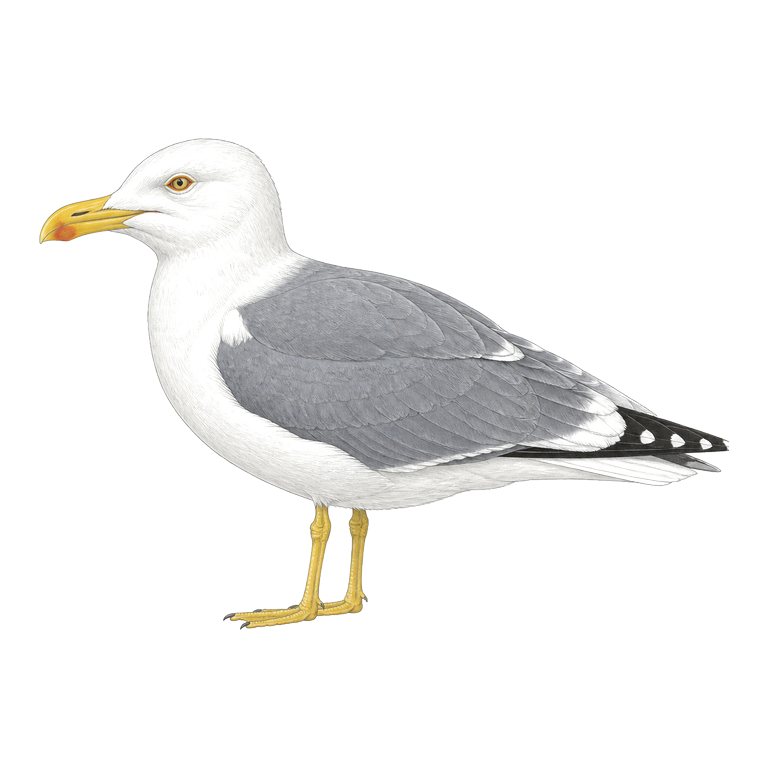
The Atlantic gull of harbours, lava shores and offshore waters.
Pico context: Common around Pico's coastline and ports.
The Azorean Biodiversity Portal classifies this taxon as Azores endemic, while IOC v15.2 gives it a wider Macaronesian range including Madeira and the Canary Islands.
Nodnarb Nedloh · CC BY-SA 4.0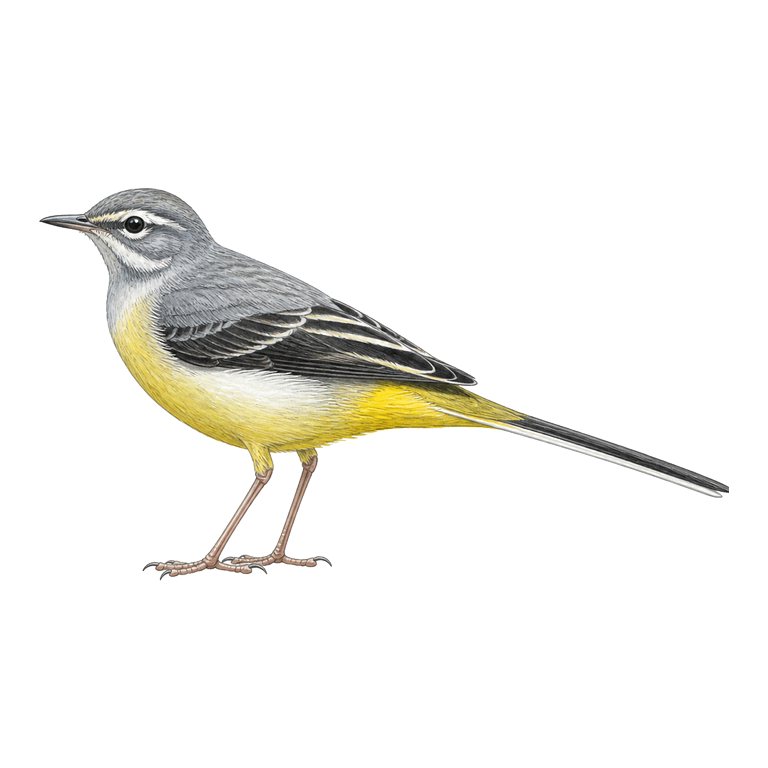
A long-tailed stream and garden bird with several affectionate island names.
Pico context: Widespread on Pico near water, gardens and cultivated land.
Conservation context: Endemic subspecies; the parent species is assessed separately at global level.
anasacuta · CC BY 4.0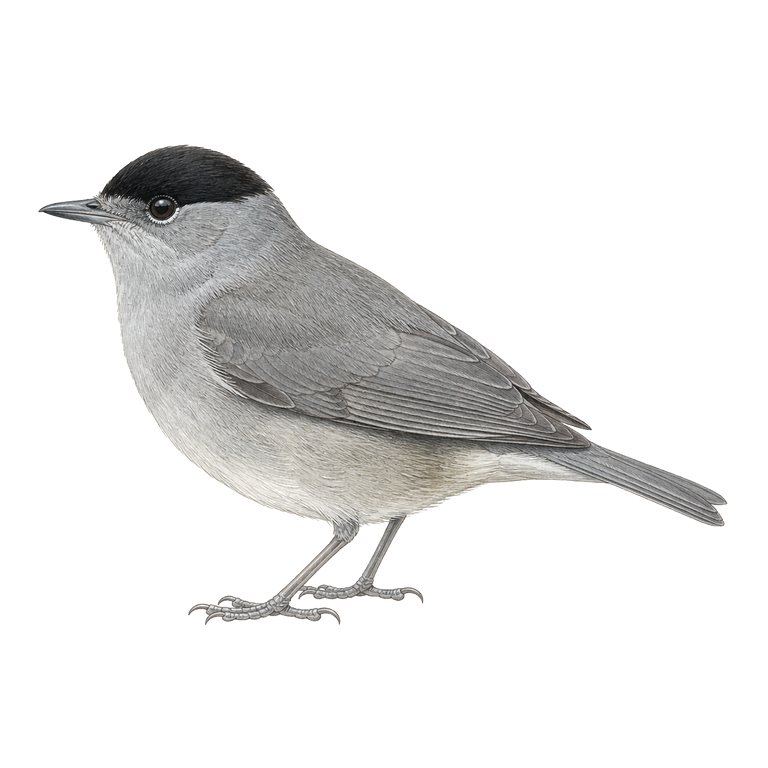
A melodious resident of woodland, gardens and hedges.
Pico context: Common across Pico wherever shrubs and trees provide cover.
IOC v15.2 gives this distinctive Macaronesian subspecies a range covering the Azores and Cape Verde; older island sources may use Sylvia atricapilla atlantis.
Julien Renoult · CC BY 4.0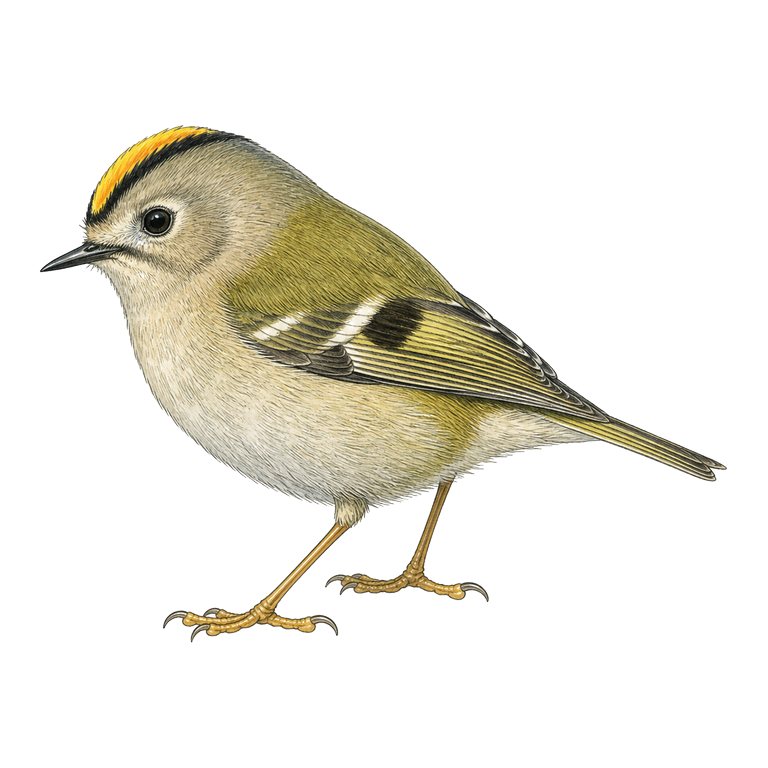
The goldcrest form of Pico and several western and central islands.
Pico context: Pico's endemic goldcrest, best sought in wooded and cloud-forest habitat.
Conservation context: Endemic subspecies; the parent species is assessed separately at global level.
Tero Linjama · CC0 1.0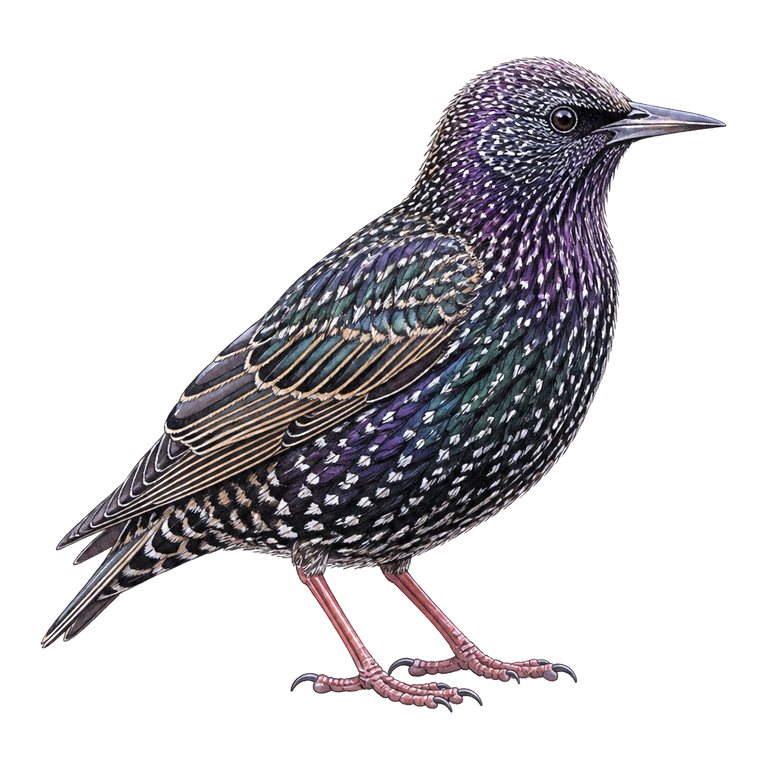
The small, dark island form of the European starling.
Pico context: Widespread around Pico's villages, pasture and farmland.
Conservation context: Endemic subspecies; the parent species is assessed separately at global level.
Tero Linjama · CC0 1.0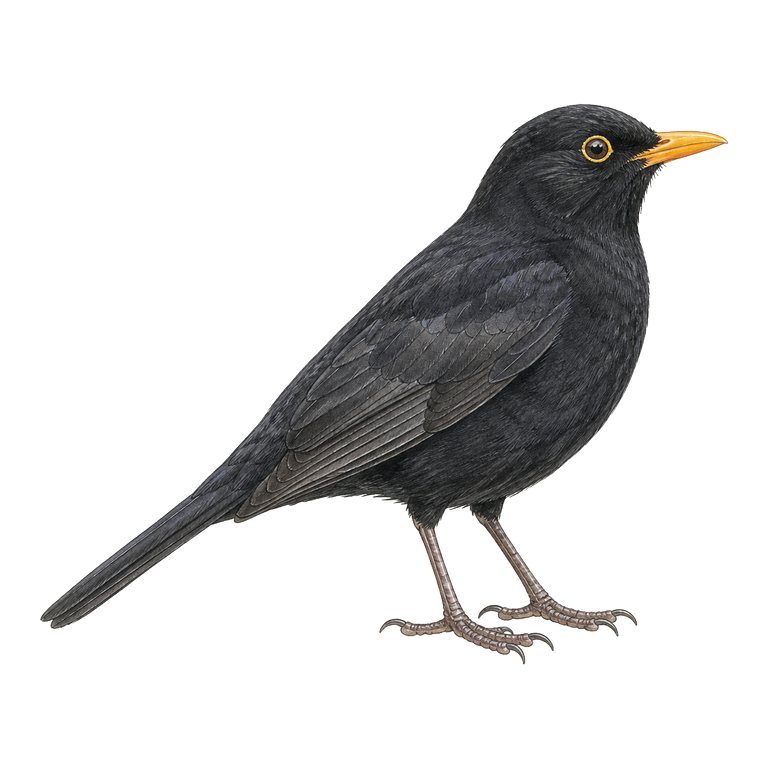
A familiar island songbird of gardens, vineyards and native forest.
Pico context: Common and readily observed across Pico.
Conservation context: Endemic subspecies; the parent species is assessed separately at global level.
Addshore · CC BY 4.0Rare, exceptional, localised or specialist encountersClick to view more4
Endemic or distinctive species (2)
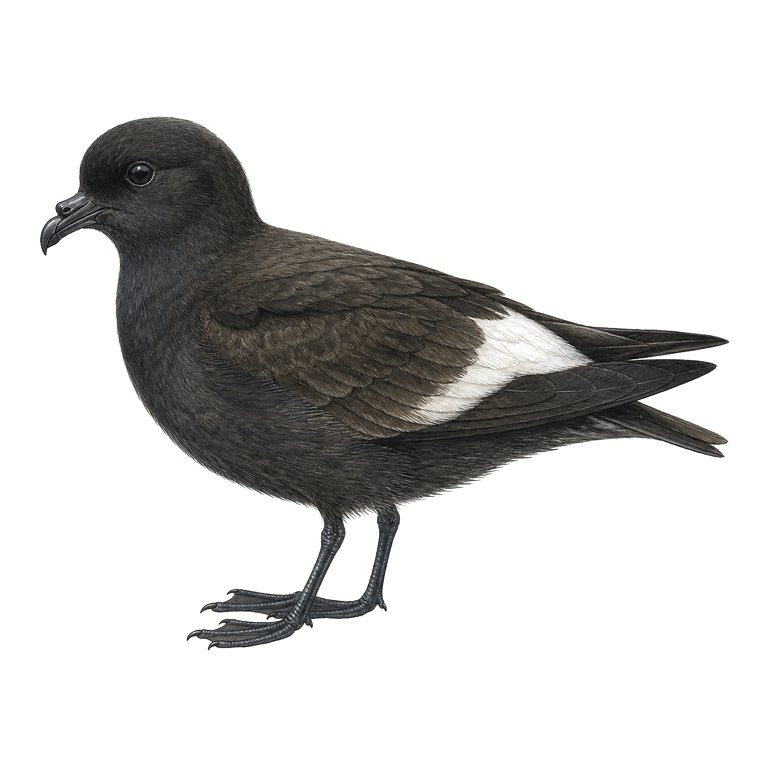
Named for Azorean biologist Luís Monteiro; it breeds nowhere outside the Azores.
Pico context: Possible at sea, but the confirmed breeding stronghold is centred on islets of Graciosa, with colonies also reported around Flores.
Conservation context: Vulnerable in the SPEA/IUCN treatment cited by SPEA.
Jonas Kraft · CC BY 4.0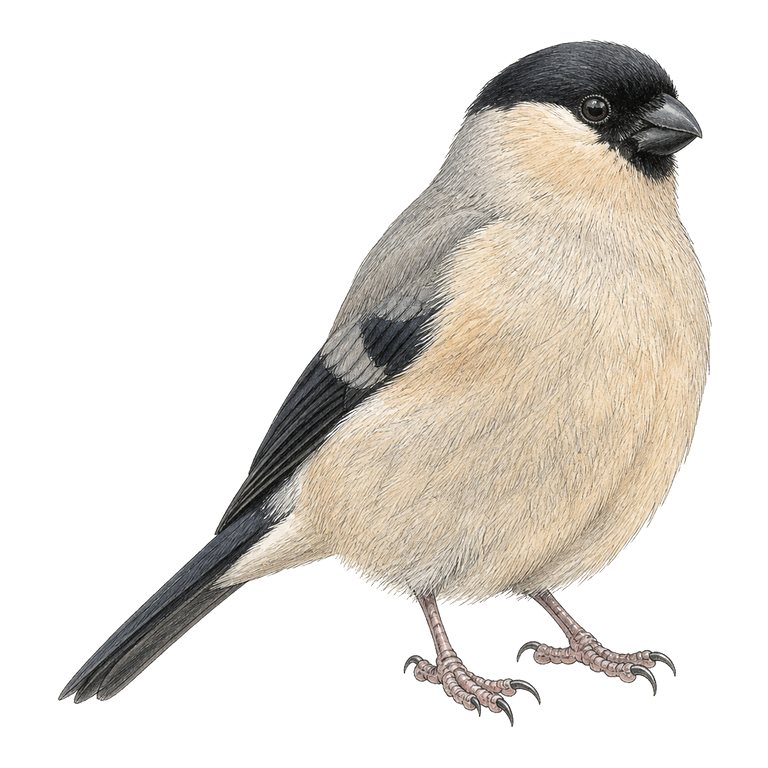
A laurel-forest specialist confined to eastern São Miguel.
Pico context: Not a Pico bird; included so the archipelago directory remains complete.
Conservation context: Vulnerable; SPEA reports a stable population of roughly 1,000 individuals following long-term habitat restoration.
William Stephens · CC BY 4.0Endemic or distinctive subspecies (2)
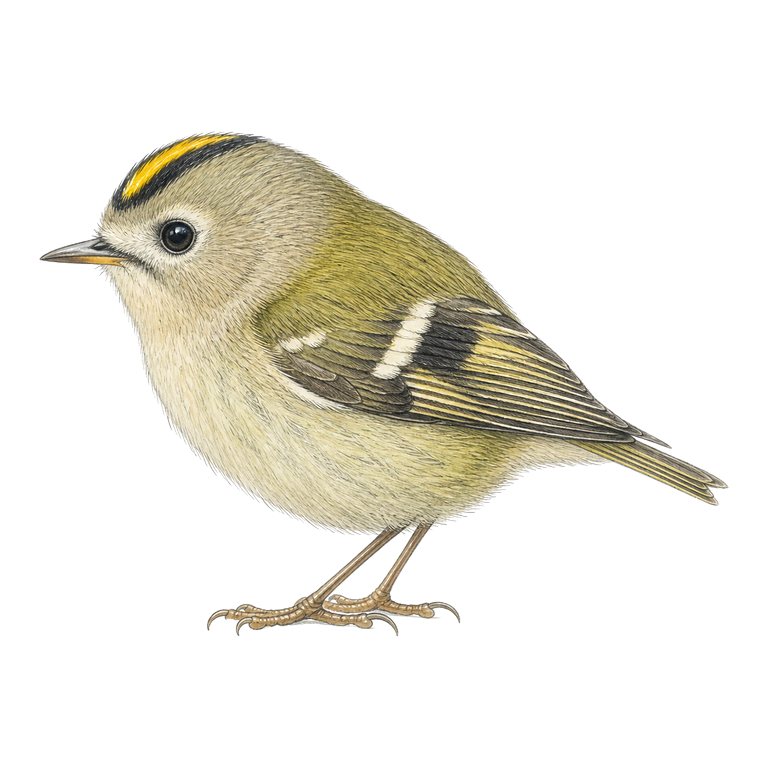
The São Miguel member of the Azores goldcrest radiation.
Pico context: Restricted to São Miguel; Pico has Regulus regulus inermis instead.
Conservation context: Endemic subspecies; do not merge the three island forms into one directory card.
Codrin Bucur · CC BY 4.0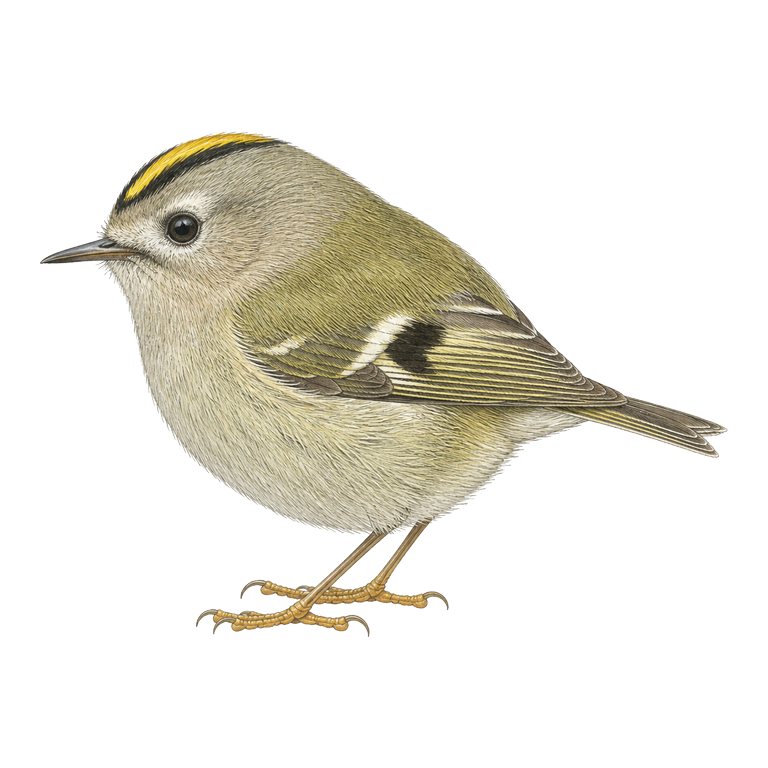
A tiny forest bird found only on Santa Maria.
Pico context: Restricted to Santa Maria; Pico has Regulus regulus inermis instead.
Conservation context: Endemic subspecies; the Azorean portal records an older regional Endangered assessment.
William Stephens · CC BY 4.0Sources and verification
Official and primary sources used for this article. Links checked 4 September 2026.