Quick answer
Explore 48 marine fish documented around Pico and the Azores through illustrated identification cards, habitats and visitor-friendly field notes.
A detailed field guide to Pico’s marine fish
This field guide presents 48 representative fish associated with Azorean waters: 24 coastal species, 12 pelagic species and 12 deep-slope species. It is deliberately detailed but it is not every fish recorded in the archipelago. Habitat and local-reference labels are drawn from the cited checklist and vernacular sources.
Coastal, pelagic and deep-slope fish occupy very different habitats and are not equally likely to be seen by visitors.
Detailed fish field guide
Curated visitor field guide, not a complete inventory. The 2021 checklist documents the much larger confirmed ray-finned-fish fauna of the Azores EEZ.
These 48 fish are a representative visitor field guide—not every species recorded in Azorean waters.
This is an identification and natural-history guide, not edibility, fishing, handling or medical advice. Never eat an unidentified fish. Do not handle wildlife. Minimum sizes, closed seasons, quotas and conservation assessments change; link readers to the current official Azores rules.
These visitor bands describe encounter likelihood, not global conservation status or a sighting guarantee. Island, season, habitat, depth, weather and luck all matter.
Common or more likely encounters in the Azores24
Rocky coast and reef (20)
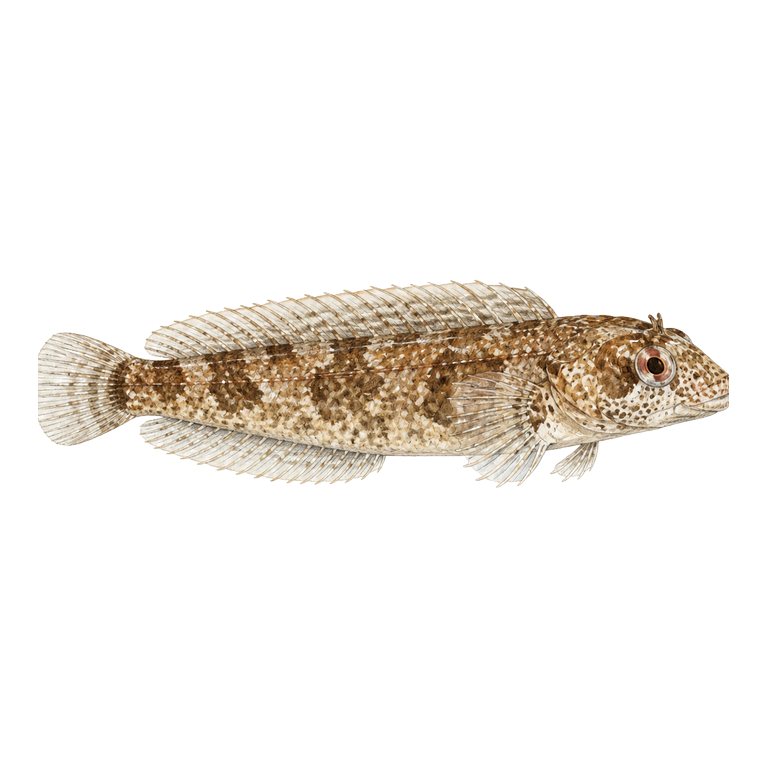
Habitat: Intertidal basalt rock pools and the very shallow wave-washed shore, hiding beneath stones and in crevices.
Azorean name in the UAc annotated list; caboz is a broad local name for several blennies and gobies.
Small resident shore fish; observe in place and never lift or strand it outside its pool.
Mark Breaks · CC BY 4.0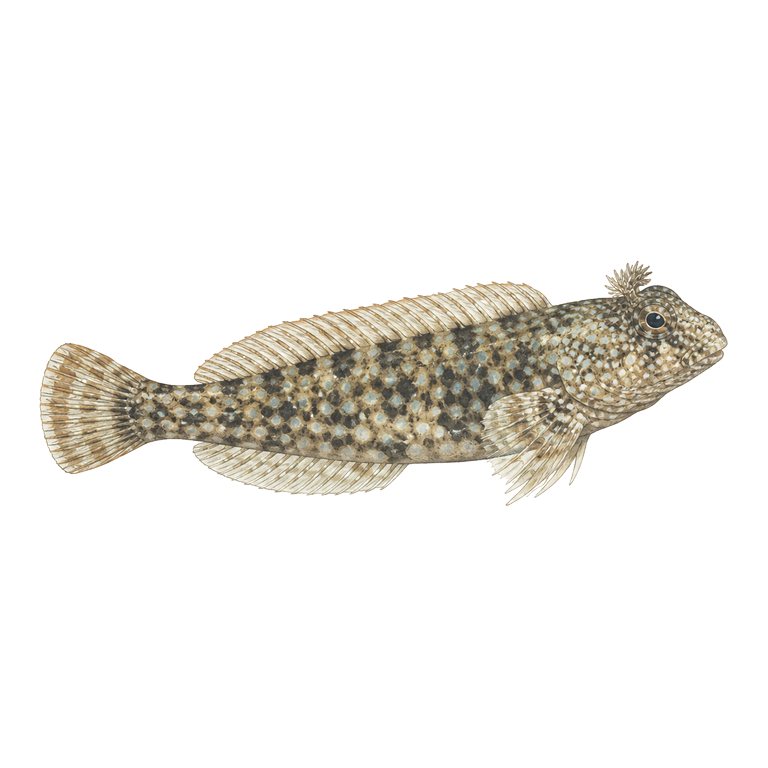
Habitat: Upper-shore pools and wave-washed basalt, often tucked into holes where its head crest helps identification.
Descriptive Portuguese name supported by the UAc fish literature; not every island speaker separates all caboz species by name.
Harmless to visitors; leave animals, eggs and shelter stones undisturbed.
Josh Baryia · CC BY 4.0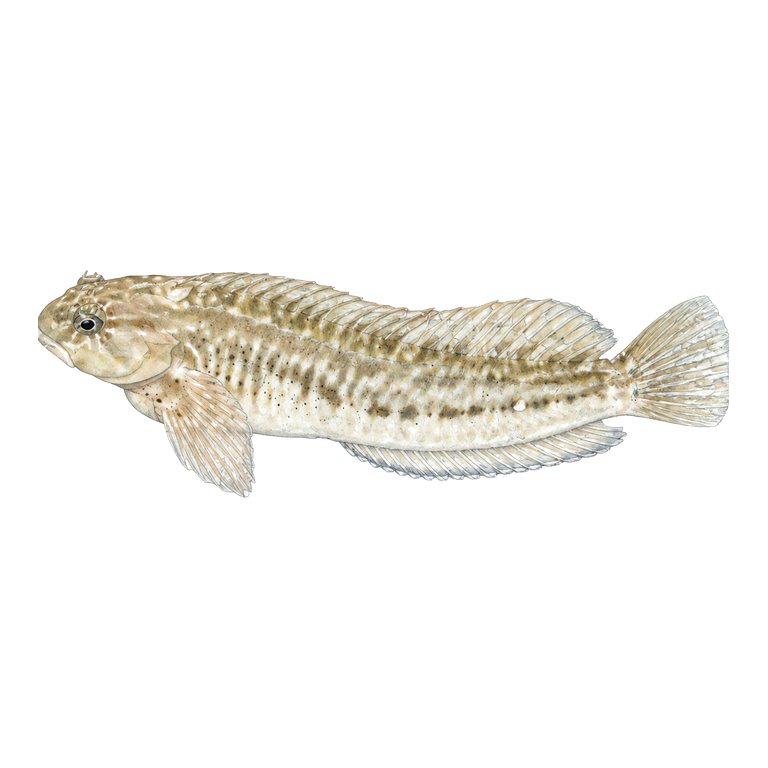
Habitat: Shallow tide pools and algae-covered rock, including pools isolated at low tide.
A useful Azorean/Portuguese field name; caboz remains a shared vernacular for several small shore fishes.
A characteristic pool resident; avoid sunscreen contamination, trampling and moving rocks.
Vsevolod Rudyi · CC BY 4.0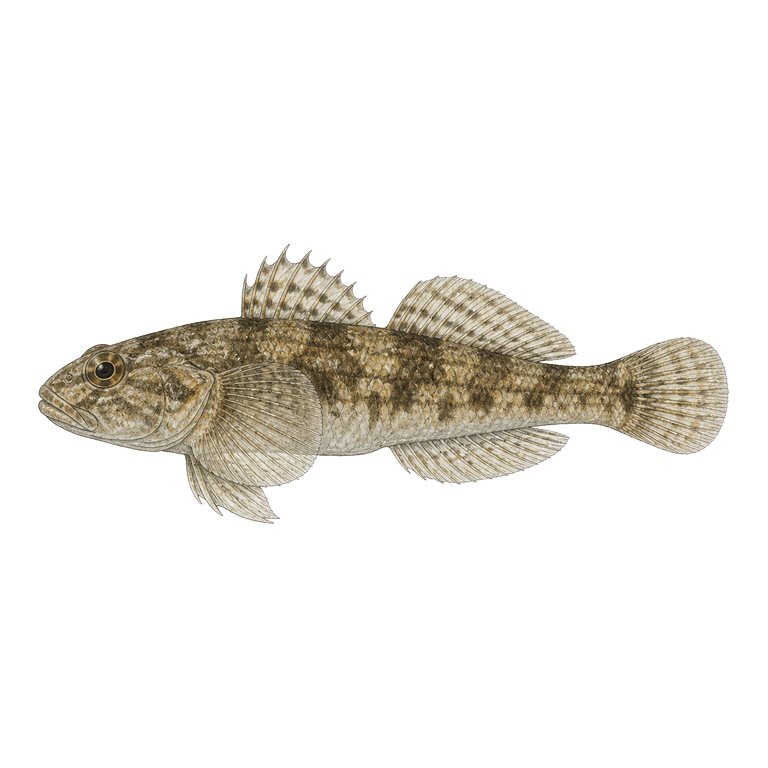
Habitat: Intertidal pools and shallow rocky crevices, usually resting close to the bottom.
Joana and caboz are also recorded Azorean names; both are ambiguous across small gobies/blennies.
Harmless; photograph without chasing it from cover or turning over occupied stones.
Julien Renoult · CC BY 4.0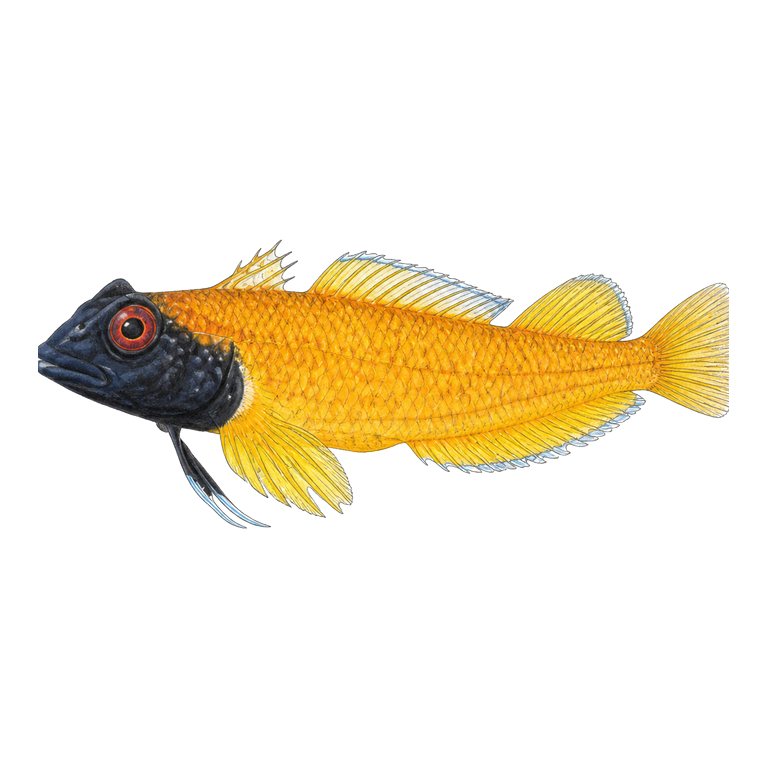
Habitat: Shaded shallow rocky walls, overhangs and cave mouths; breeding males can appear bright yellow with a dark face.
Descriptive Portuguese field name; local everyday use may shorten it to caboz.
Tiny and easily overlooked; use a close-focus photograph rather than handling.
Donald Davesne · CC BY 4.0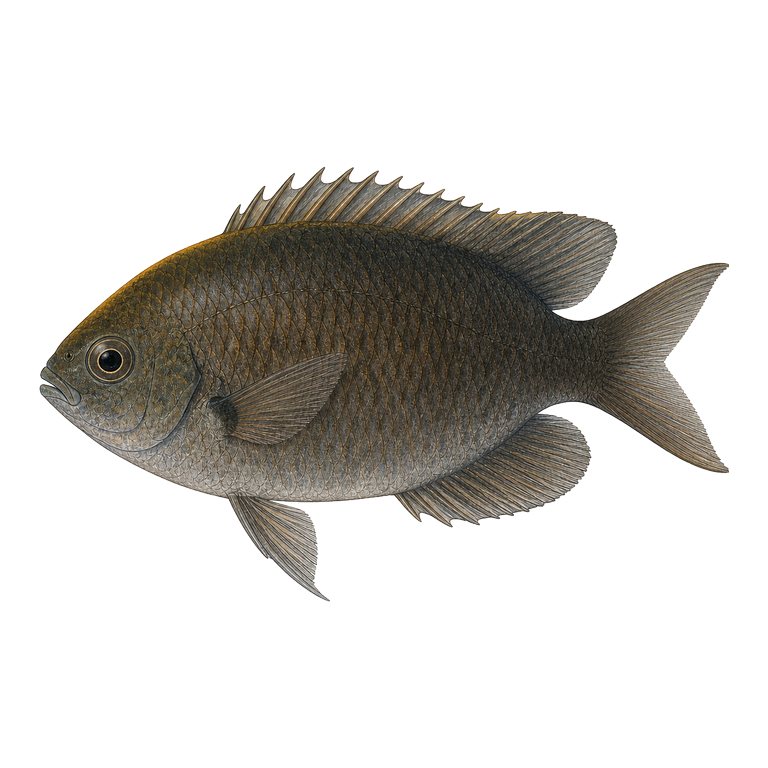
Habitat: Mid-water schools above shallow rocky reefs, descending toward shelter when alarmed.
Well-established Azorean name; castanheta is also used in names of other damselfishes.
Common reef fish; keep distance from nesting sites and do not feed schools.
© Atlantic Heritage Unipessoal Lda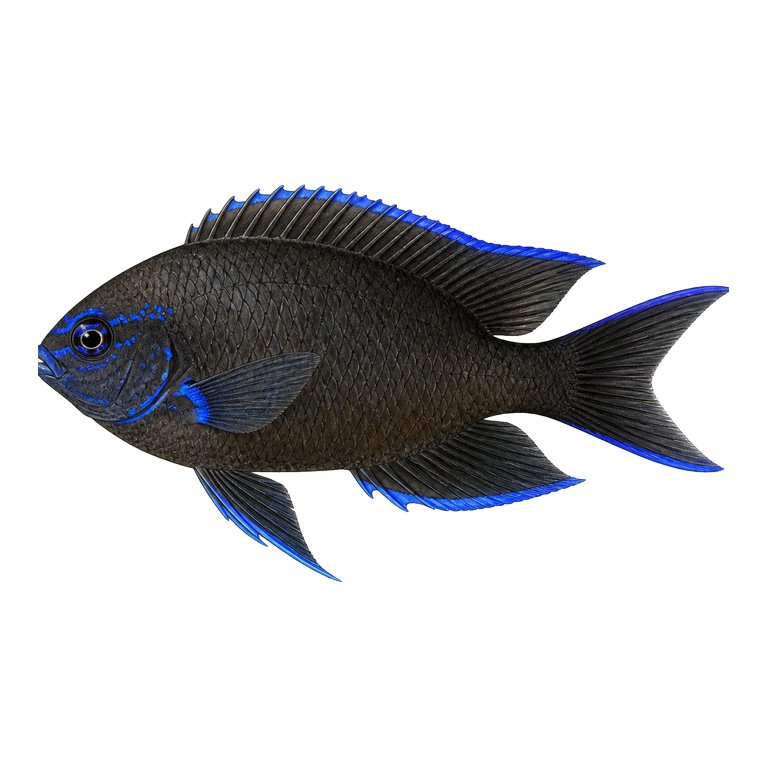
Habitat: Territorial on shallow rocky reef; juveniles may occur around boulders and pools, while adults defend small patches.
Castanheta-azul is also recorded; older Azores sources may list the synonym Abudefduf luridus.
No visitor hazard; do not disturb defended nests. Taxonomy was updated after older Azores checklists.
Charlotte Kirchner · CC BY 4.0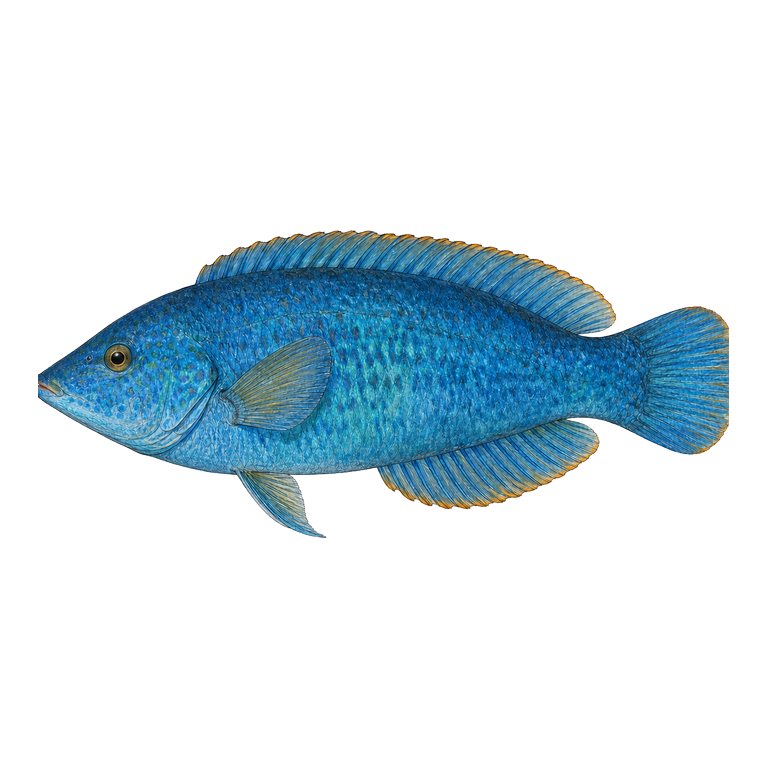
Habitat: Algae-covered shallow rocky reefs, commonly in the first few tens of metres.
Azores Bioportal also records maragota; a wider Portuguese ichthyofauna list uses bodião-dos-Açores. The older scientific name Centrolabrus caeruleus may appear.
Azorean endemic. Observe without collecting or disturbing its reef habitat.
© Atlantic Heritage Unipessoal Lda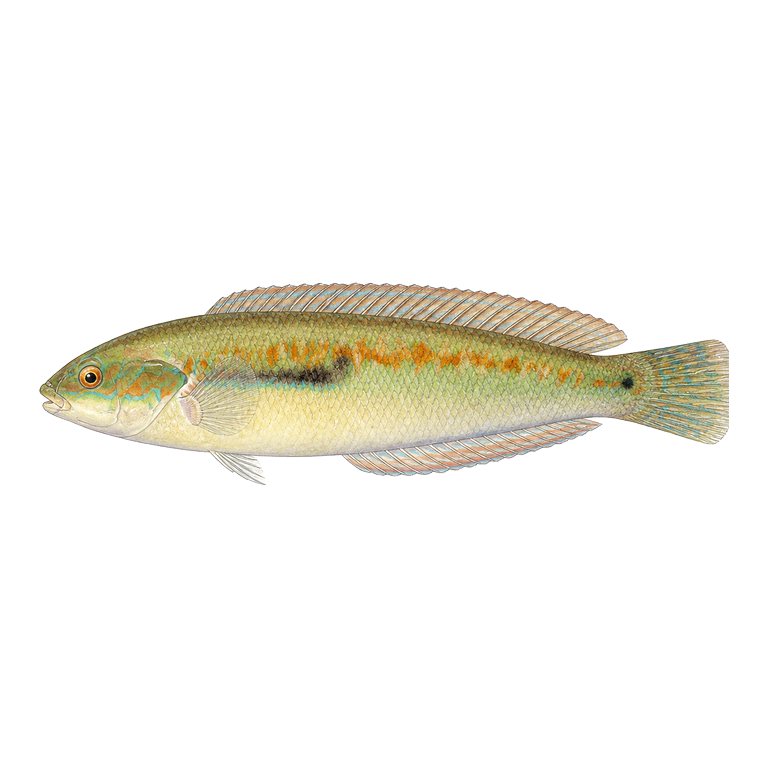
Habitat: Shallow rocky and algae-rich areas, often crossing sand patches and burying in sand at night.
Peixe-rei is also recorded in Azorean sources, but that name is ambiguous in wider Portuguese usage.
Colour and pattern change with age and sex, so illustrations should not imply a single fixed appearance.
Selim Türeli · CC BY 4.0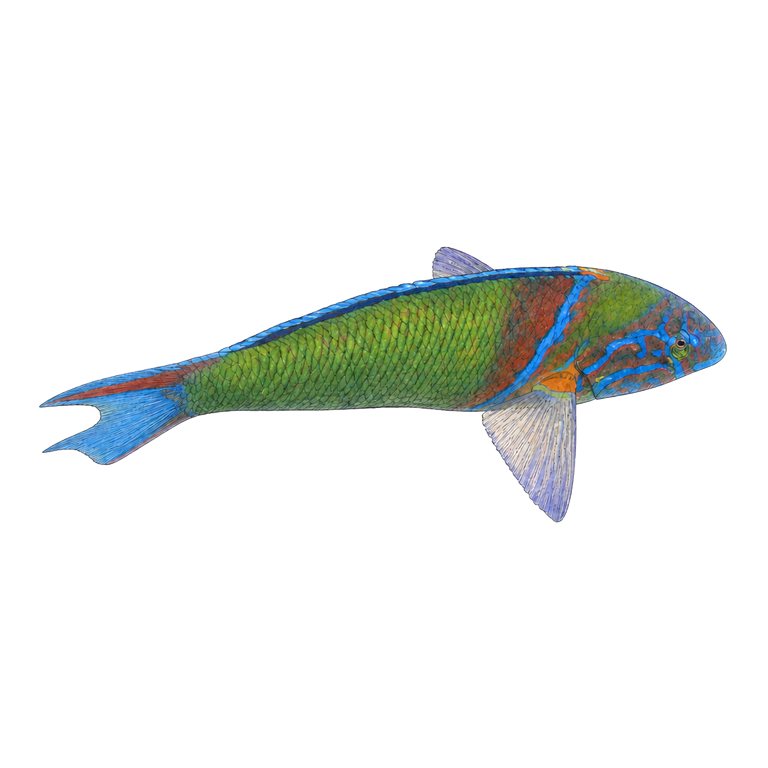
Habitat: Active over shallow rocky bottoms and algae-covered reef, especially in warm, clear water.
Peixe-rainha, bodião, verdugo and torcida are also recorded; usage varies and some terms overlap other wrasses.
Colour varies strongly with life phase; avoid definitive sex or age labels from colour alone.
Jan Ebr and Ivana Ebrová · CC BY 4.0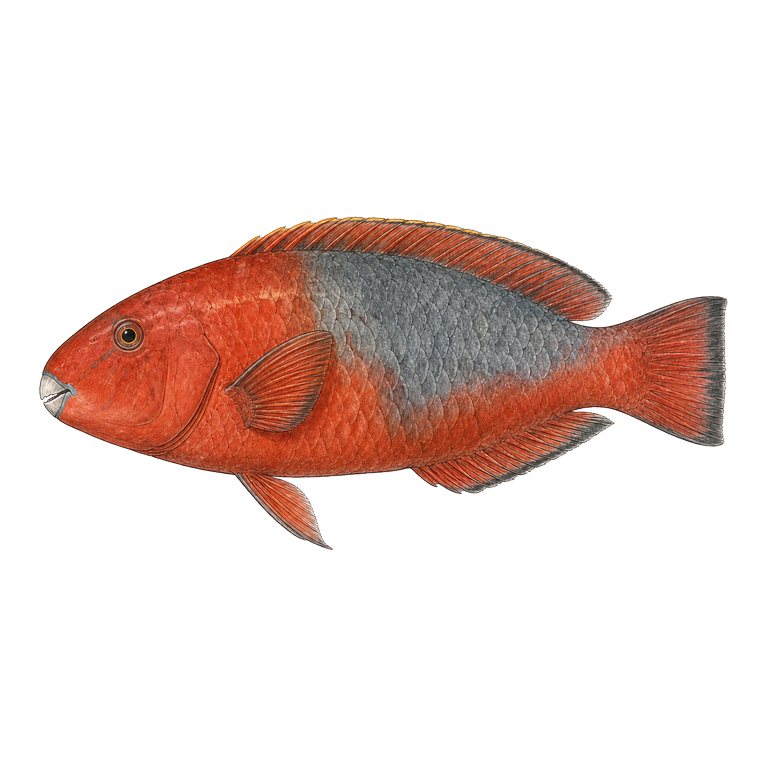
Habitat: Rocky reefs where it grazes algae; adults are conspicuous in clear shallow water.
A highly characteristic and well-supported Azorean name.
Colour differs by sex and life phase. It is a fishery species; check current official rules before any capture.
© Atlantic Heritage Unipessoal Lda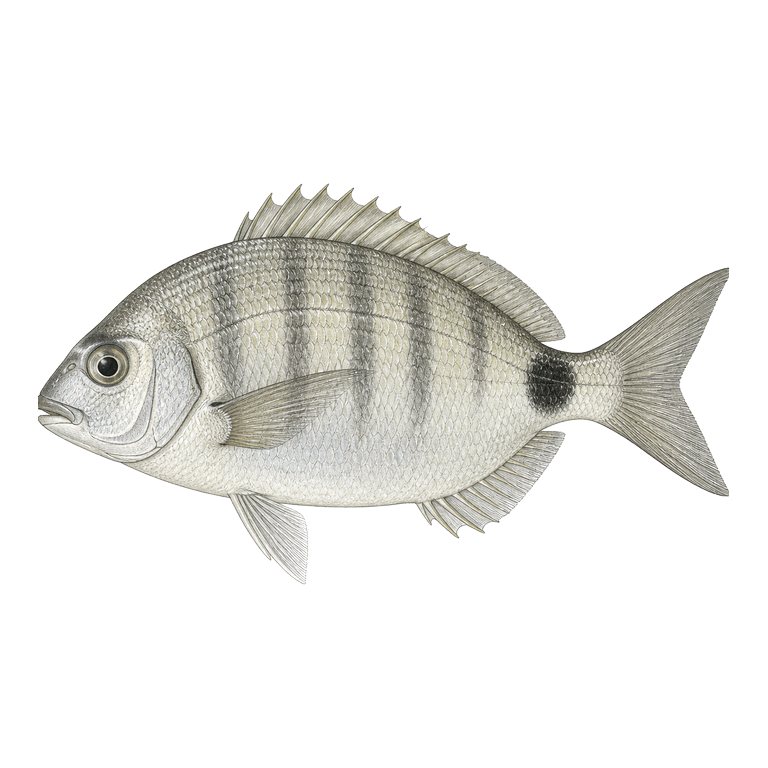
Habitat: Rocky reef and surf-exposed coastal zones, often feeding over mixed rock and sand.
Sargo-legítimo is a more specific Azorean commercial form.
Regulated fishery species. Do not publish a fixed minimum size without checking current Azores rules.
Thomas Dreux · CC BY 4.0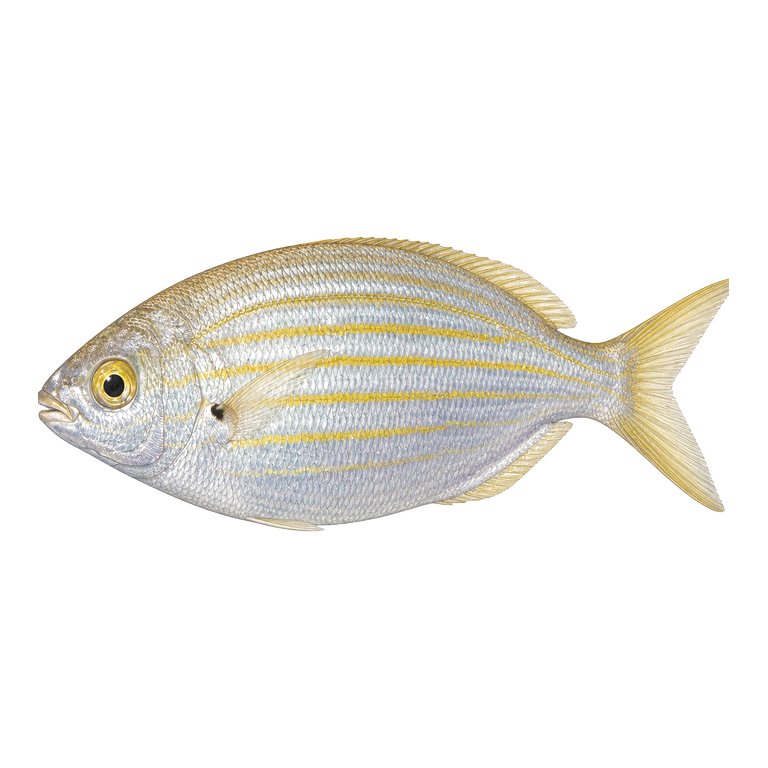
Habitat: Schools over shallow rocky and algae-covered bottoms, grazing close to the seabed.
Shared Portuguese and English field name in many guides; well established in the Azores.
Regulated fishery species; use as an observation entry, not an edibility recommendation.
Brian Gratwicke · CC BY 2.0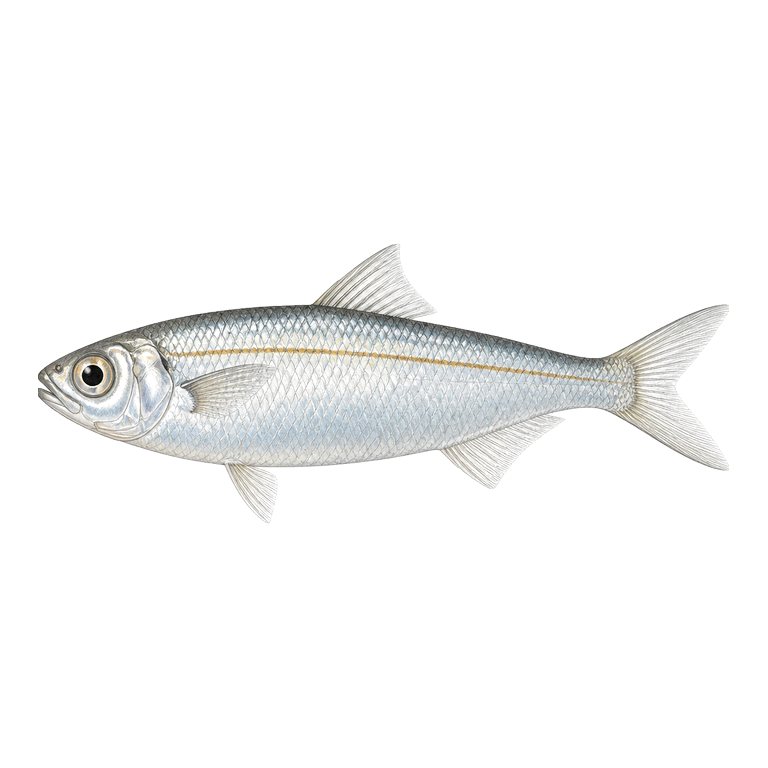
Habitat: Coastal schools above rocky and mixed bottoms, sometimes forming dense mid-water groups.
Established Portuguese/Azorean fishery name.
Regulated fishery species; verify current minimum size and local rules before fishing.
Julien Renoult · CC BY 4.0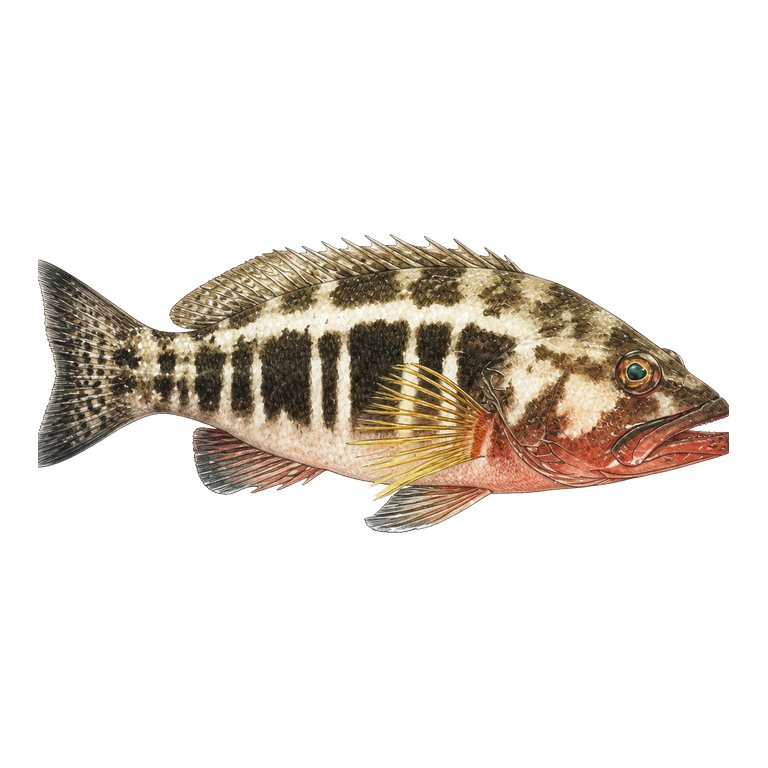
Habitat: Rocky reef, ledges and cave mouths from shallow water down the island slope.
Garoupa-de-rolo is a more specific Azorean name; garoupa alone can refer broadly to groupers/combers.
Azores Bioportal displays Data Deficient in its 2022 conservation layer; do not imply a quantified local trend.
Charlotte Kirchner · CC BY 4.0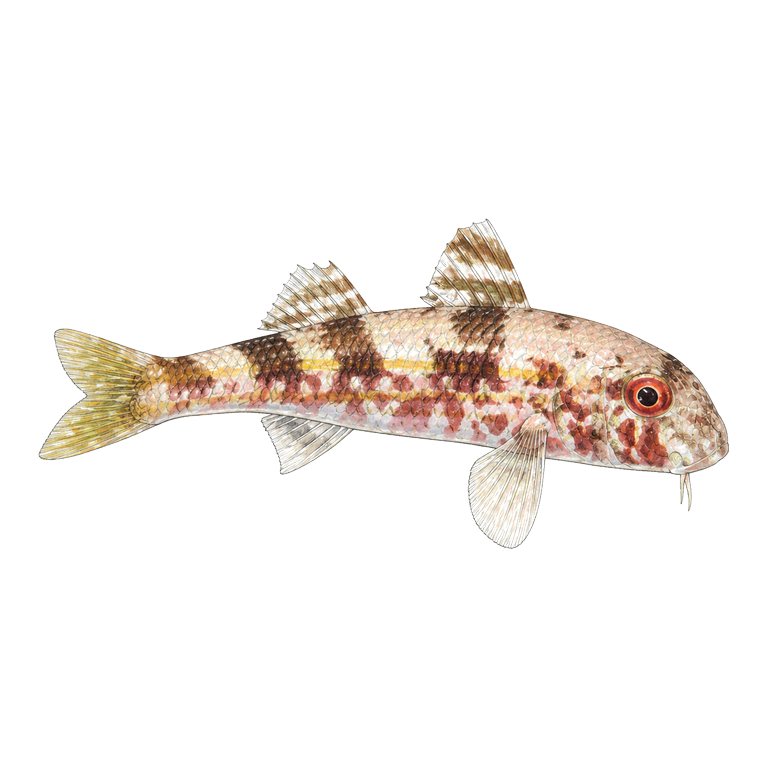
Habitat: Sand and gravel patches beside rocky reef, probing sediment with its paired chin barbels.
Salmonete-vermelho is also used in official/local fish lists.
Regulated fishery species. Watch from a distance so its feeding behaviour remains natural.
Julien Renoult · CC BY 4.0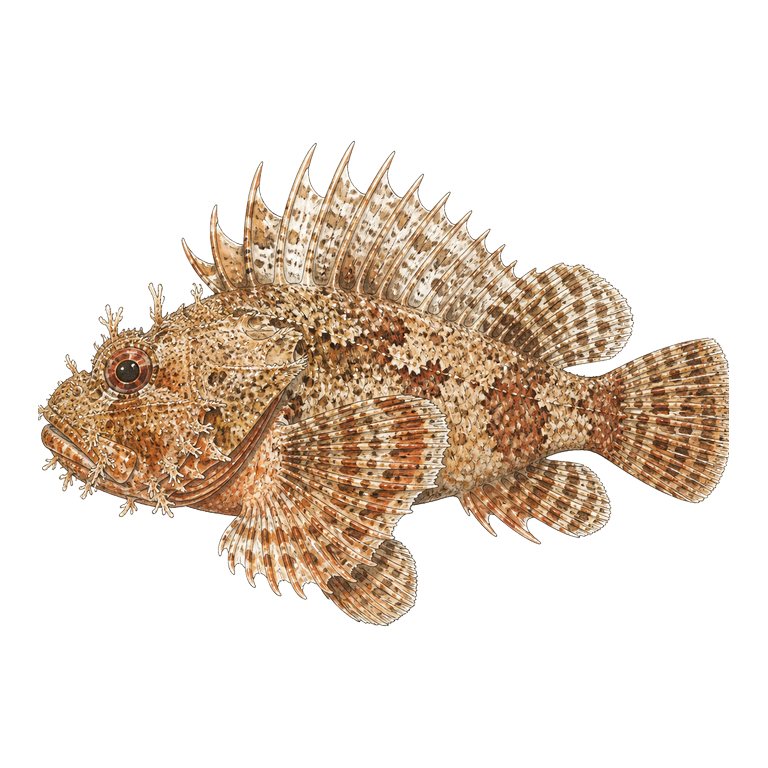
Habitat: Camouflaged on shallow rocky bottom, beside ledges or at cave entrances.
Rascaço is also recorded; names among Scorpaena species can be confused locally.
Do not touch: scorpionfish have venomous spines capable of a painful injury.
Donald Davesne · CC BY 4.0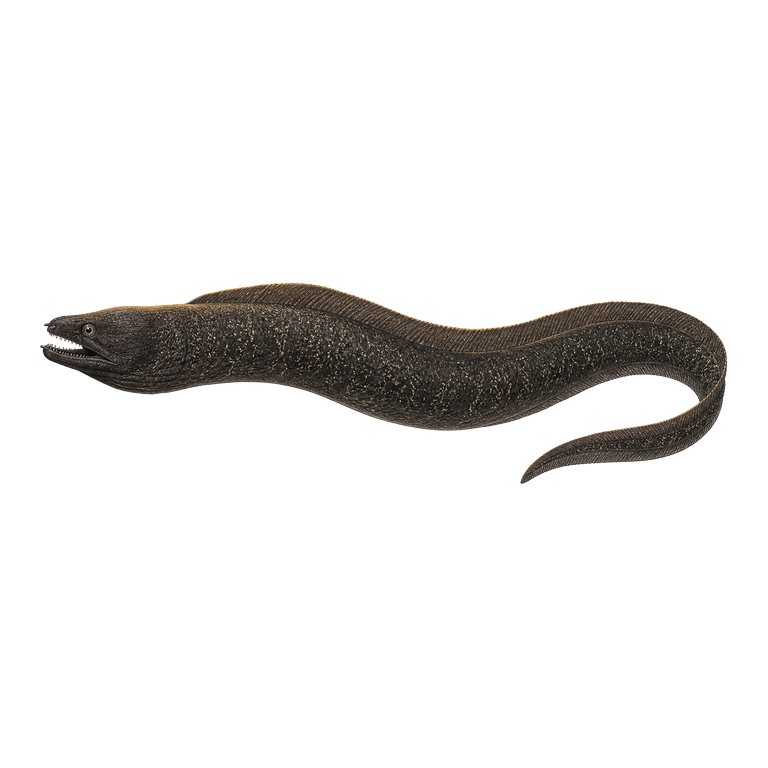
Habitat: Rock crevices and caves, with much of the body hidden; often more active after dark.
Moreia-preta is another clear Portuguese/Azorean form.
Never hand-feed or put fingers into crevices. Morays defend shelter and can inflict a serious bite.
© Atlantic Heritage Unipessoal Lda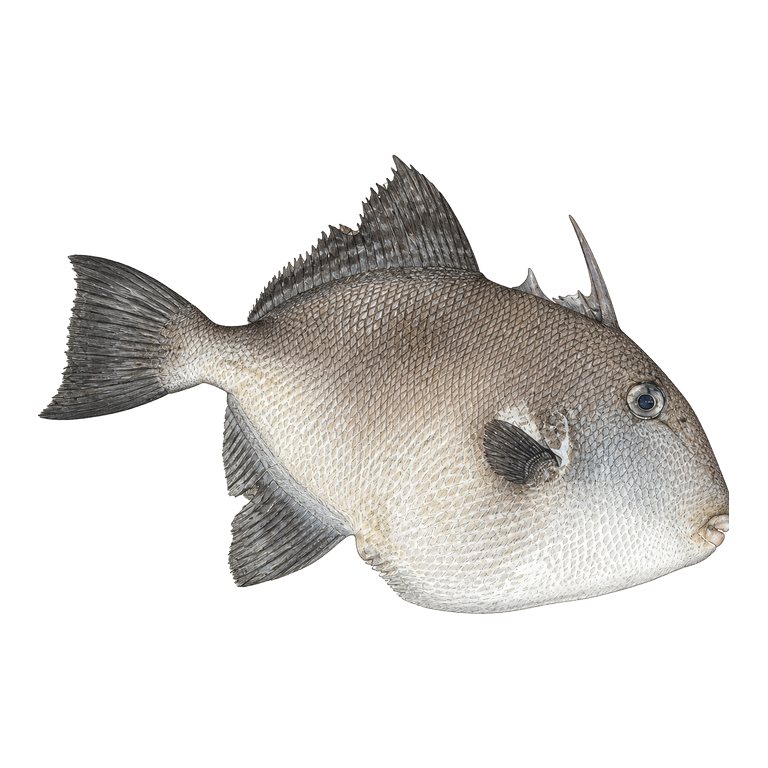
Habitat: Rocky reef and nearby open bottom, sometimes schooling or appearing seasonally near the coast.
Established Azorean commercial and visitor name.
Azores Bioportal displays Vulnerable in its 2022 conservation layer. Give nesting or defensive fish space; the teeth are strong.
Daniel Dias · CC BY-SA 4.0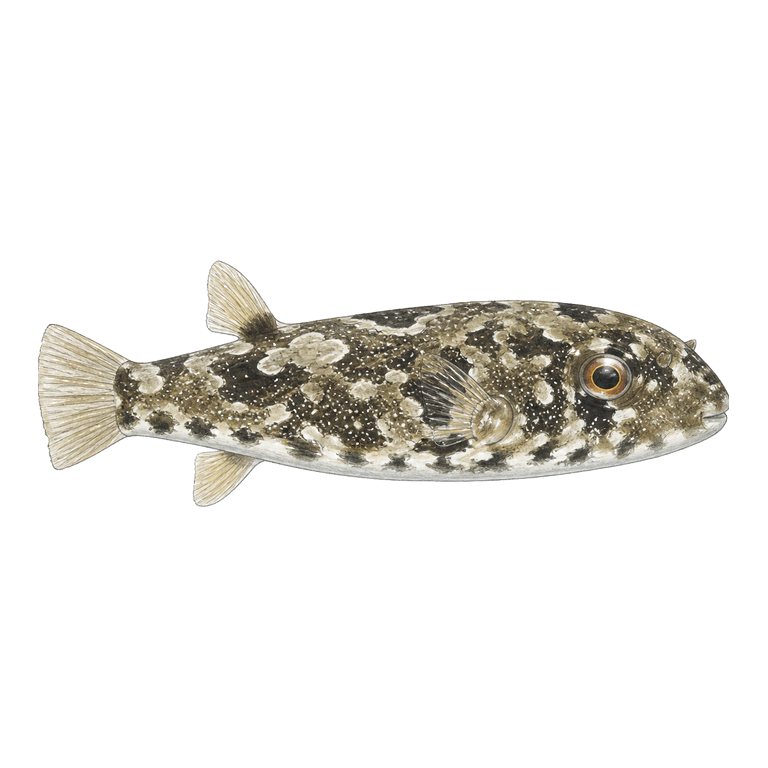
Habitat: Shallow rocky and sandy coastal areas, including protected pools and coves.
Sopapo and sapo are also recorded; both can be ambiguous regional names.
Do not handle or eat. EU rules prohibit fishery products from poisonous Tetraodontidae; never use a visitor guide to judge edibility.
Donald Davesne · CC BY 4.0Open ocean and seamount (4)
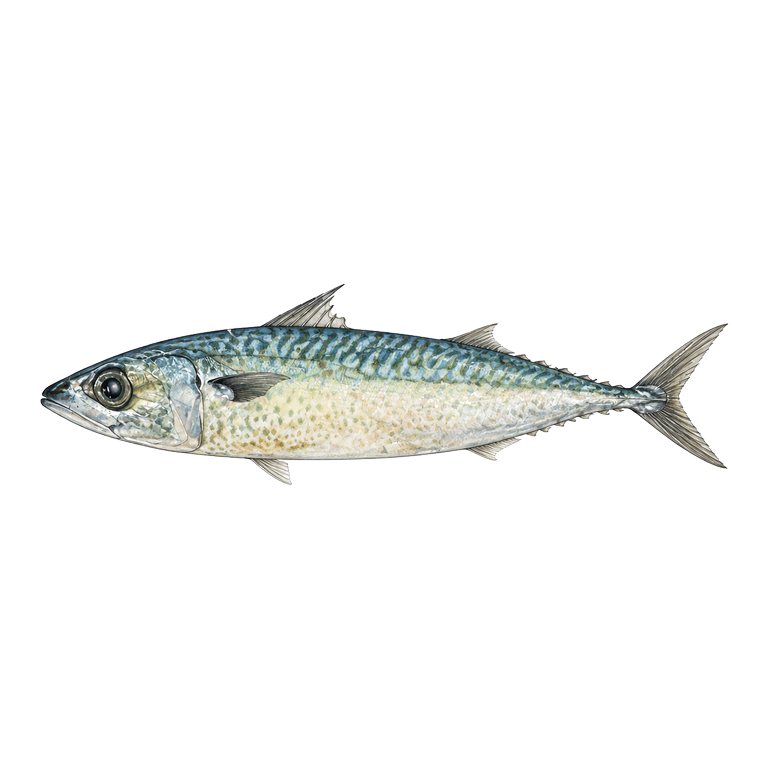
Habitat: Schooling coastal-to-offshore fish of the upper water column, sometimes concentrated around islands and seamounts.
Established Azorean commercial and vernacular name.
Regulated fishery species; current Azores rules should be checked before capture.
U.S. Food and Drug Administration · Public domain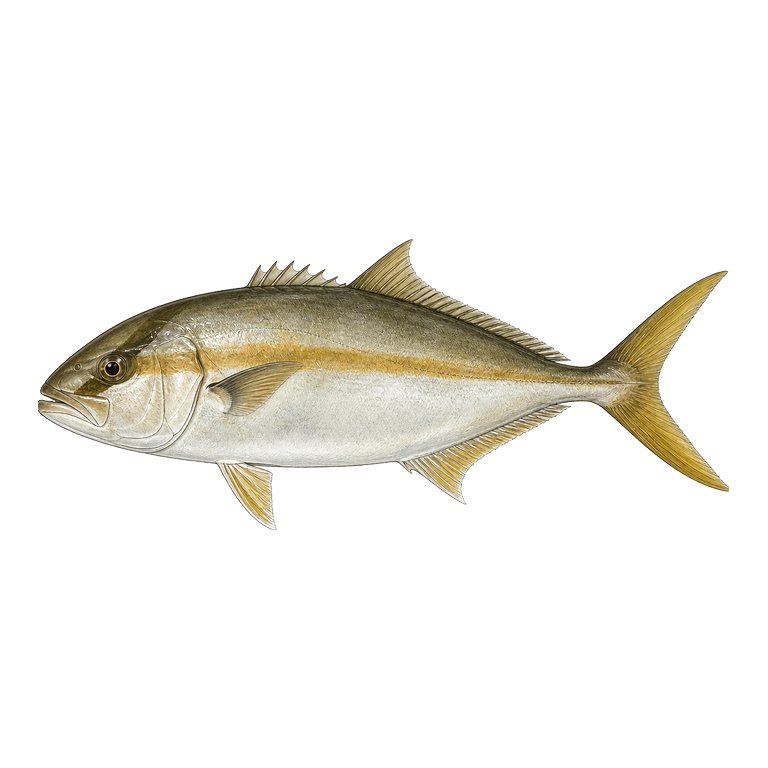
Habitat: Coastal-to-offshore rocky structure, island slopes and seamounts; powerful adults may cruise in open water.
Írio and charuteiro-catarino are also recorded; the latter is less transparent to visitors.
Fishery species and strong wild predator; observe without feeding and verify current fishing rules.
James-LaFontaine · CC BY 4.0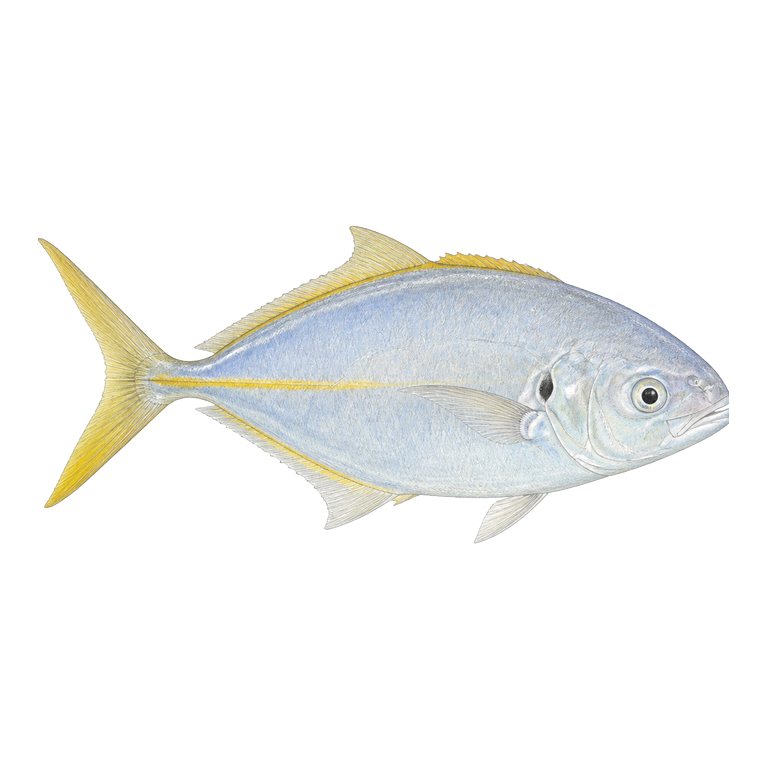
Habitat: Schools around coastal headlands, island slopes and seamounts, shifting between reef edge and open water.
Xaréu and xaréu-bicudo are also recorded; similar carangids make casual name-only identification unreliable.
Regulated fishery species. Use body shape and fin details, not the vernacular alone, for identification.
vtzanatos · CC BY-SA 4.0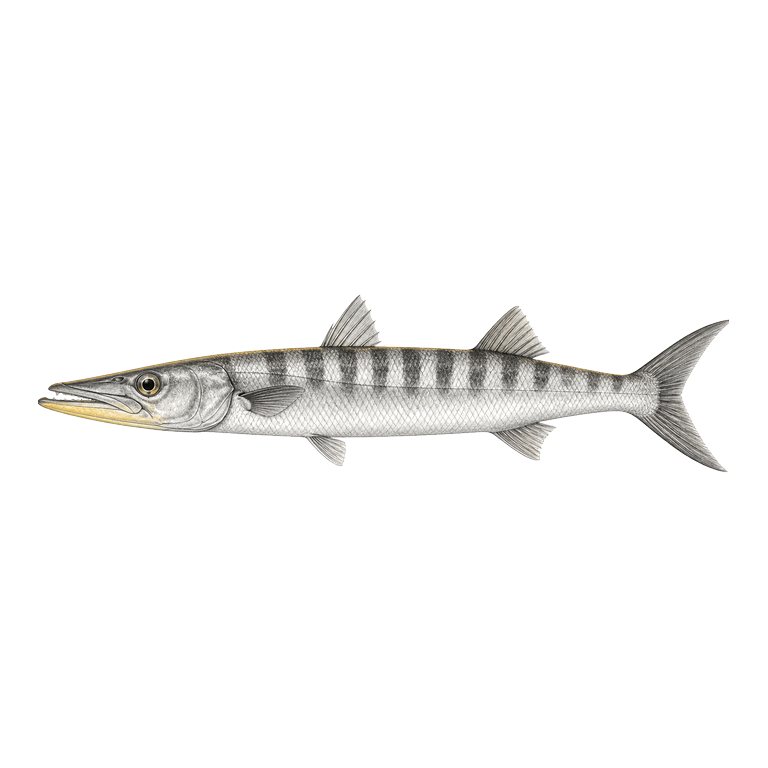
Habitat: Coastal and offshore schools over rocky or sandy bottoms, reef edges and island slopes.
Well-established Azorean name, but bicuda can be applied broadly; retain the scientific name in labels.
Give large wild fish normal space and do not feed them. Fishery and food-safety advice should come from current official sources.
© Atlantic Heritage Unipessoal LdaRare, exceptional, localised or specialist encountersClick to view more24
Rocky coast and reef (4)
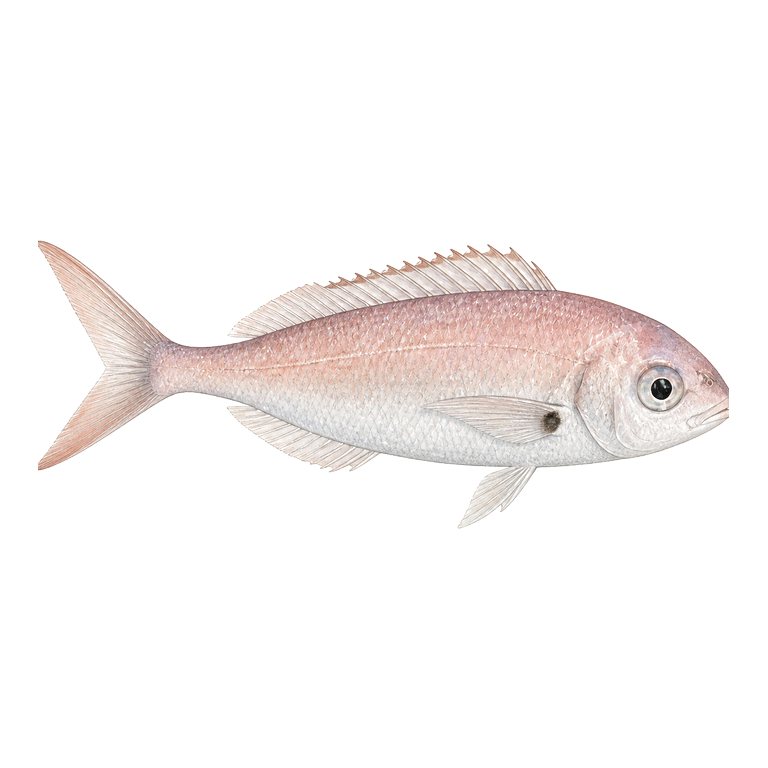
Habitat: Shelf and coastal rocky-sandy bottoms, commonly deeper than the easiest snorkelling sites.
Established Azorean commercial and vernacular name.
Regulated fishery species; check current Azores minimum-size rules.
Julien Renoult · CC BY 4.0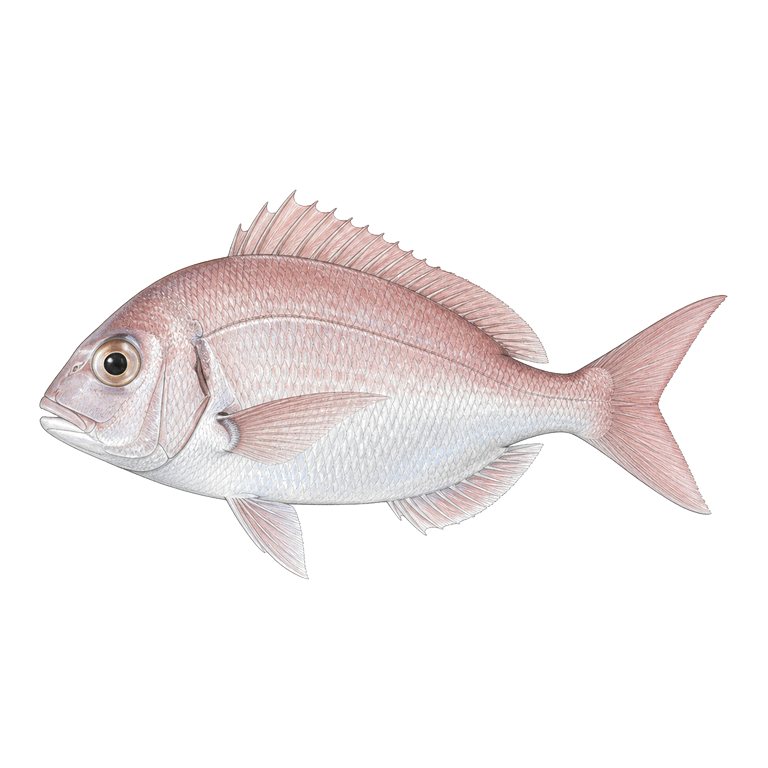
Habitat: Rocky and gravelly shelf, reef edges and island slopes; larger fish tend to occur deeper.
Pargo-legítimo is the more specific official/local commercial form.
Regulated fishery species; use current official rules for legal size and season.
Lasse R · CC BY-SA 4.0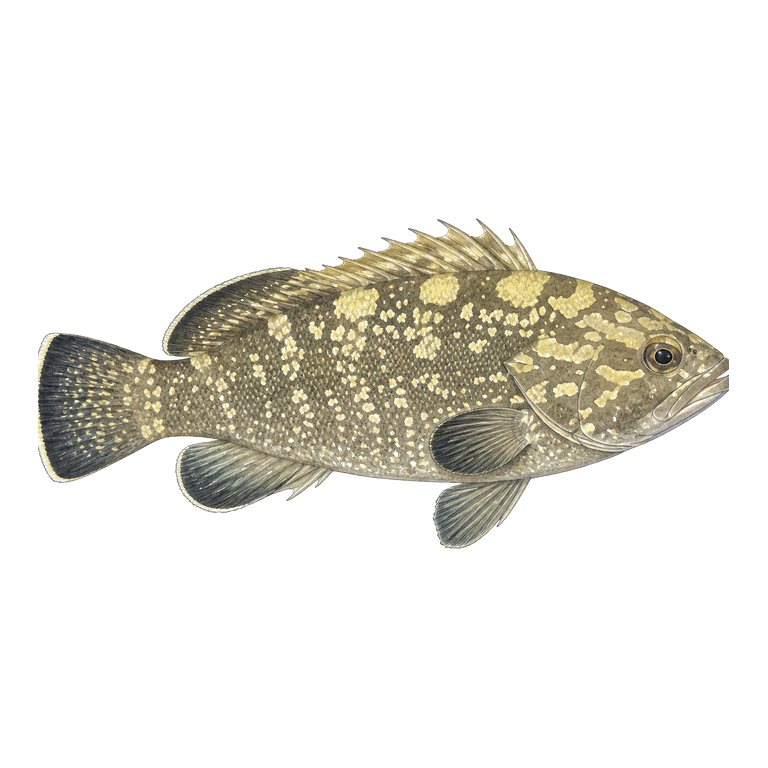
Habitat: Rocky reefs, caves and ledges; large adults favour substantial shelter and are often deeper.
Mero-legítimo is a more specific Azorean commercial form.
Azores Bioportal displays Vulnerable in its 2022 conservation layer. Slow-growing reef predator; observe without disturbance and check current fishery protections.
Dan Wrench · CC BY 4.0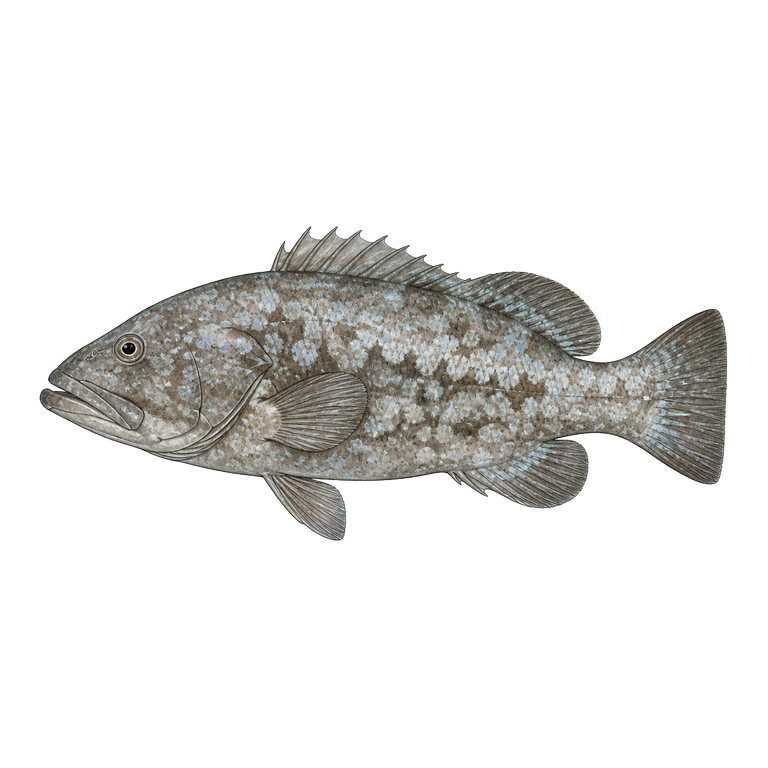
Habitat: Rocky reef, caves and seamount or island-slope structure, from coastal water into deeper reef.
Well-established Azorean and Macaronesian name.
Azores Bioportal displays Vulnerable in its 2022 conservation layer. It is regulated; verify current rules and avoid disturbing sheltering fish.
Charlotte Kirchner · CC BY 4.0Open ocean and seamount (8)
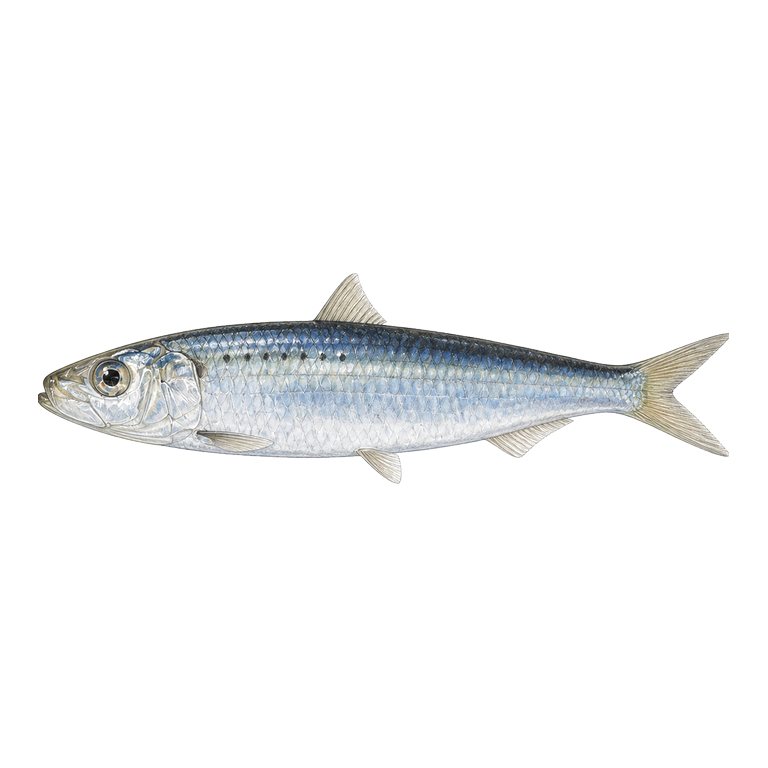
Habitat: Near-surface coastal schools; a key small forage fish linking plankton to larger fish, seabirds and cetaceans.
Petinga denotes small sardine in local/commercial use and should not be presented as a separate species.
Regulated fishery species. Avoid promises about seasonal abundance and check current size rules before fishing.
Daniela Costa · CC BY 4.0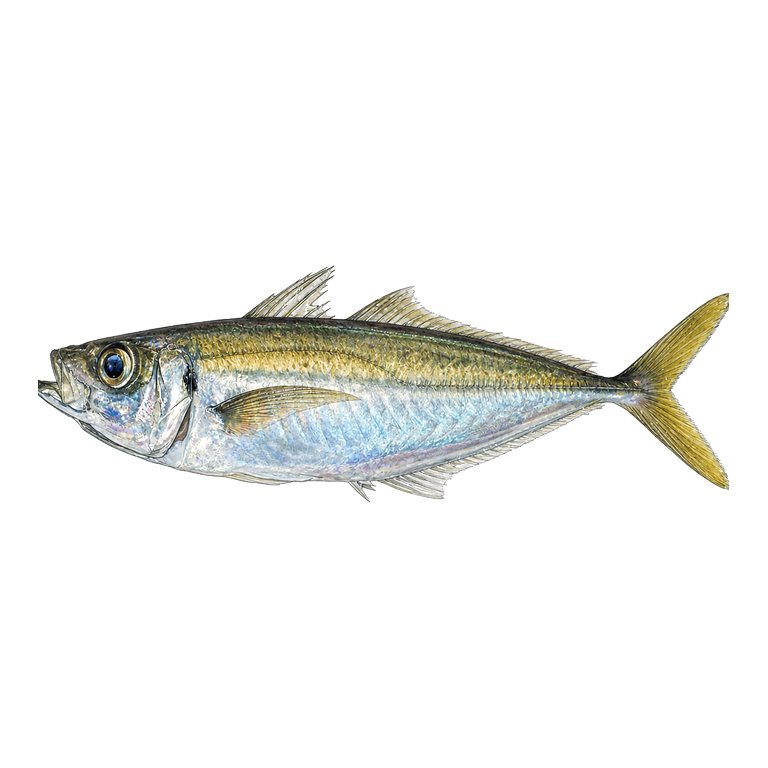
Habitat: Coastal and offshore schools around island slopes and seamounts; juveniles are important forage fish.
Chicharro-do-alto is also used; vernacular boundaries with other Trachurus can vary by fish size and fishing context.
Regulated fishery species; do not use the name alone for market identification where several horse mackerels may occur.
Etrusko25 · CC BY-SA 3.0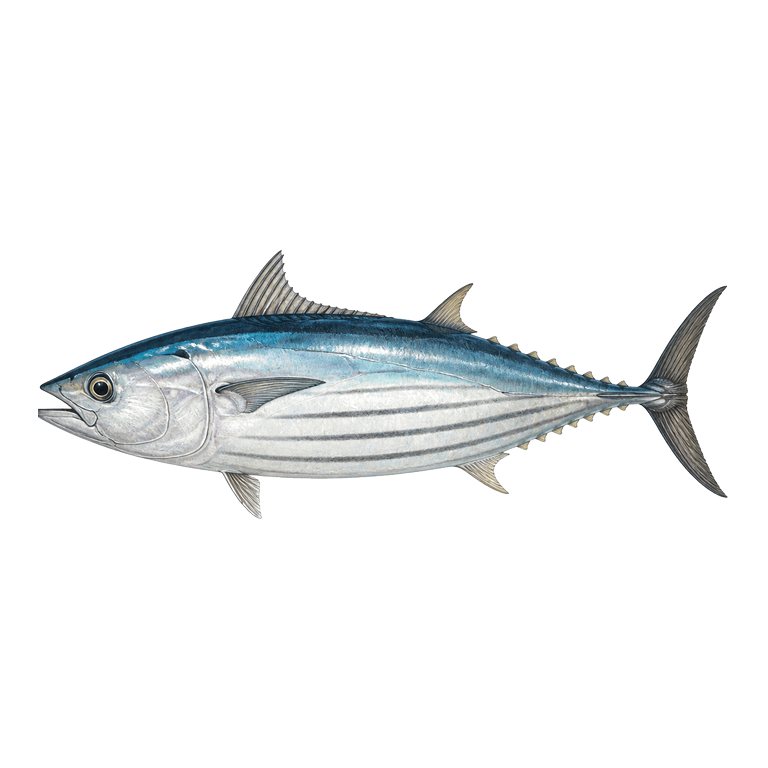
Habitat: Fast-moving surface and near-surface schools in warm oceanic water, often associated with feeding birds and baitfish.
Gaiado is also an established Azorean name; bonito can be ambiguous beyond the region.
Highly mobile fishery species. Presence varies with ocean conditions; fishing rules and stock advice must be checked at publication time.
cello caruso-turiello · CC BY 4.0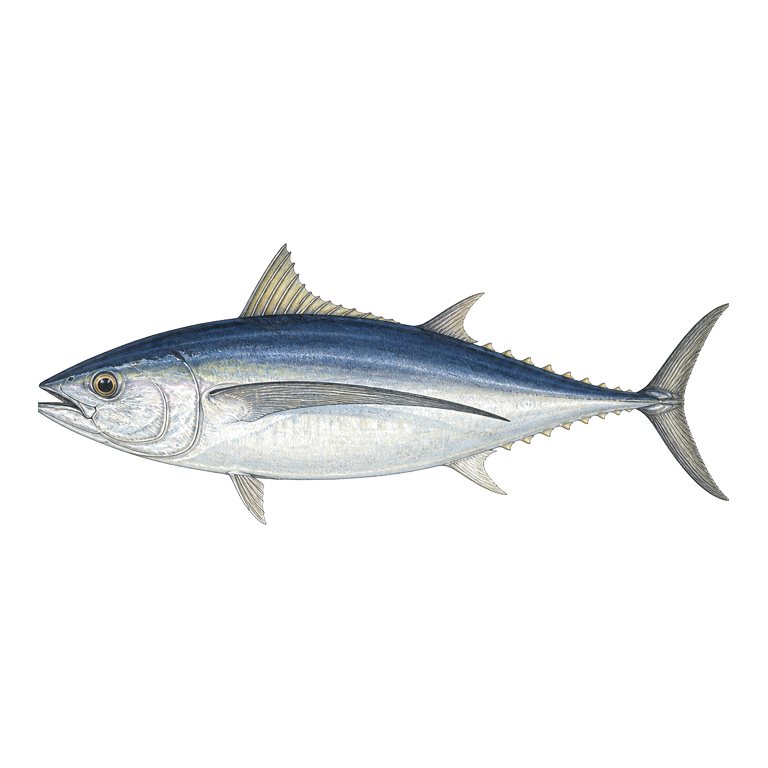
Habitat: Offshore pelagic waters; a seasonal, long-distance migrant through the North Atlantic around the archipelago.
Voador and germão are also recorded in Azorean fishery use.
Managed migratory fishery species. Check current ICCAT, EU and Azores rules rather than publishing fixed quotas or seasons.
giantcicada · CC BY 4.0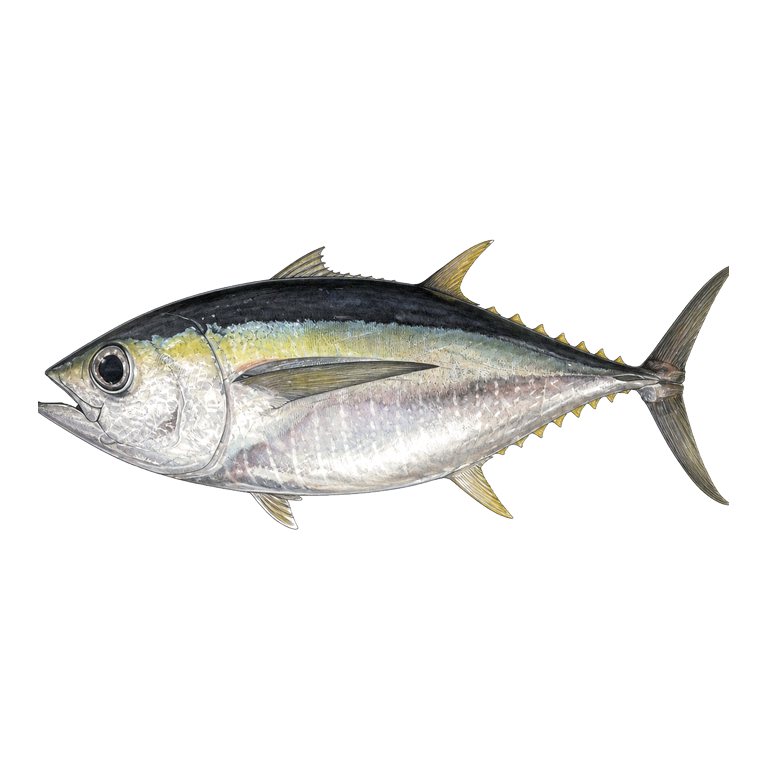
Habitat: Oceanic water column, often deeper by day with vertical movement linked to prey and temperature.
Patudo is the familiar shortened Azorean fishery name.
Azores Bioportal displays Vulnerable in its 2022 conservation layer. This is a tightly managed migratory fishery; verify current rules and stock advice.
Hugues Evano / IFREMER · CC BY 4.0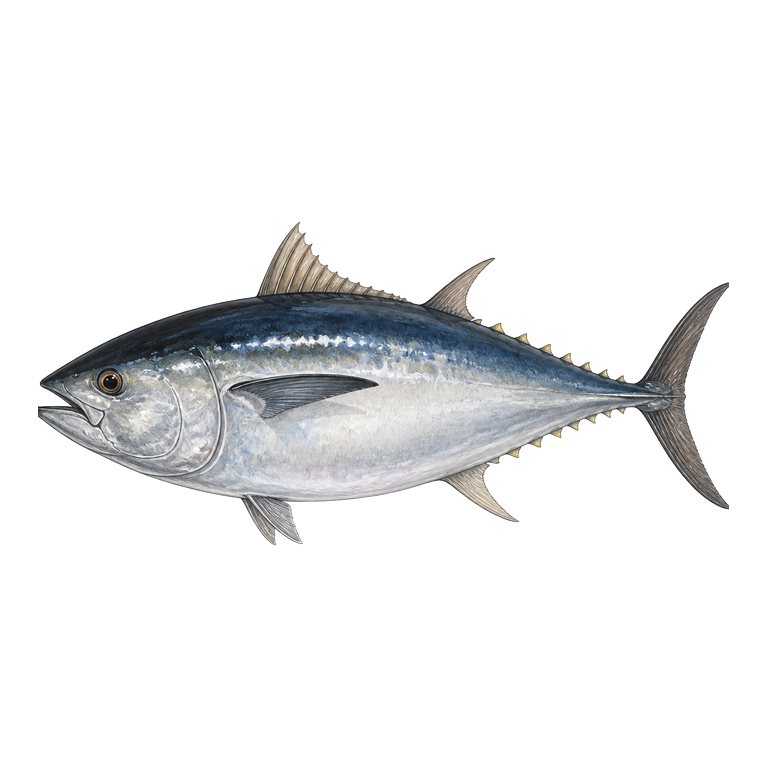
Habitat: Wide-ranging oceanic migrant crossing productive fronts and waters around islands and seamounts.
Rabilo is a regional variant. Avoid albacora here because Portuguese commercial use of tuna names is not uniform.
Strictly managed ICCAT/EU fishery. Conservation layers and stock assessments change; link to current rules rather than freezing a status in prose.
Michel Frisch · CC BY 4.0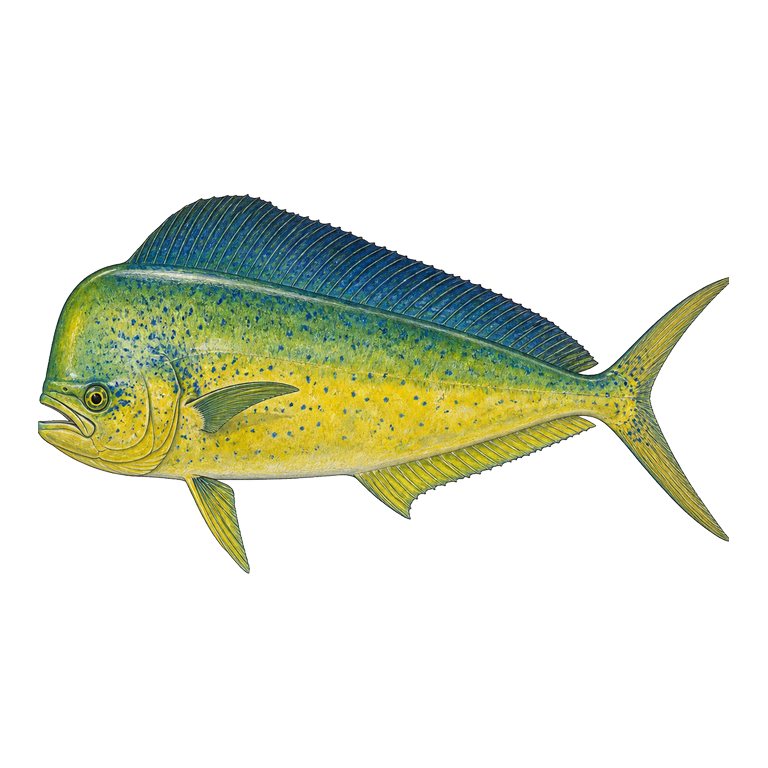
Habitat: Warm surface waters offshore and around floating objects; occurrence around the islands is seasonal and ocean-condition dependent.
Doirado is an older/regional spelling found in Azorean sources. This is a fish and must never be confused in copy with a dolphin.
Fast-growing pelagic fishery species. Do not promise a sighting or a fixed season; check current local guidance.
Uma Mezzanotte · CC BY 4.0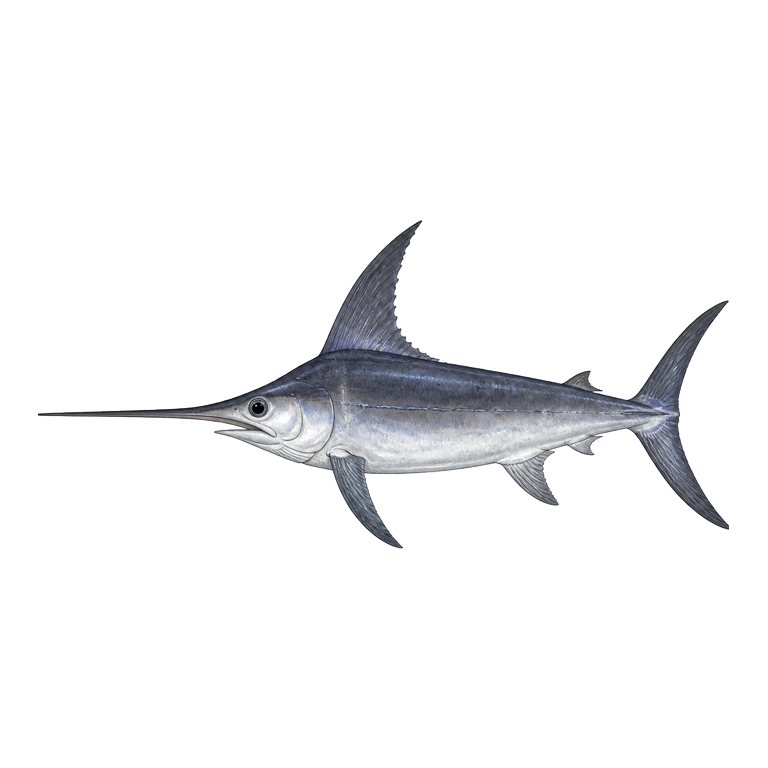
Habitat: Oceanic predator that moves through deep water and the upper water column on a daily cycle; rarely a casual shore sighting.
Agulhão is also recorded in older Azorean fishery material but can overlap billfish names.
Managed migratory fishery species. Check current ICCAT, EU and Azores measures before mentioning catch rules or status.
Adam J. Searcy · CC BY 4.0Deep slope and benthic (12)
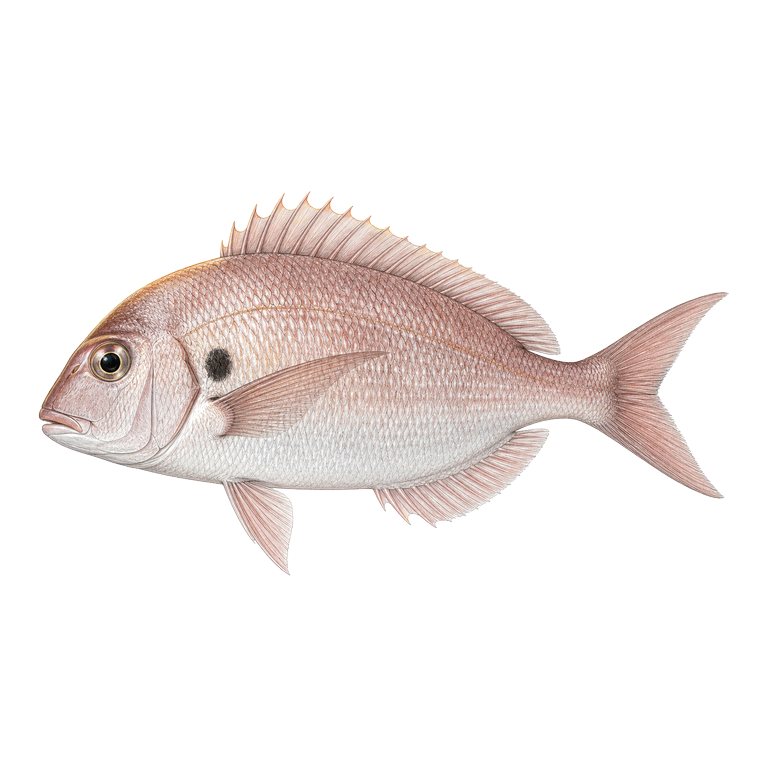
Habitat: Rocky island slopes and seamounts; juveniles can be shallower while adults commonly occupy deeper water.
Peixão is also recorded locally, often for a large individual; it is not a separate species.
Azores Bioportal displays Near Threatened in its 2022 conservation layer. It is a regulated deep-water fishery; verify current measures.
© Atlantic Heritage Unipessoal Lda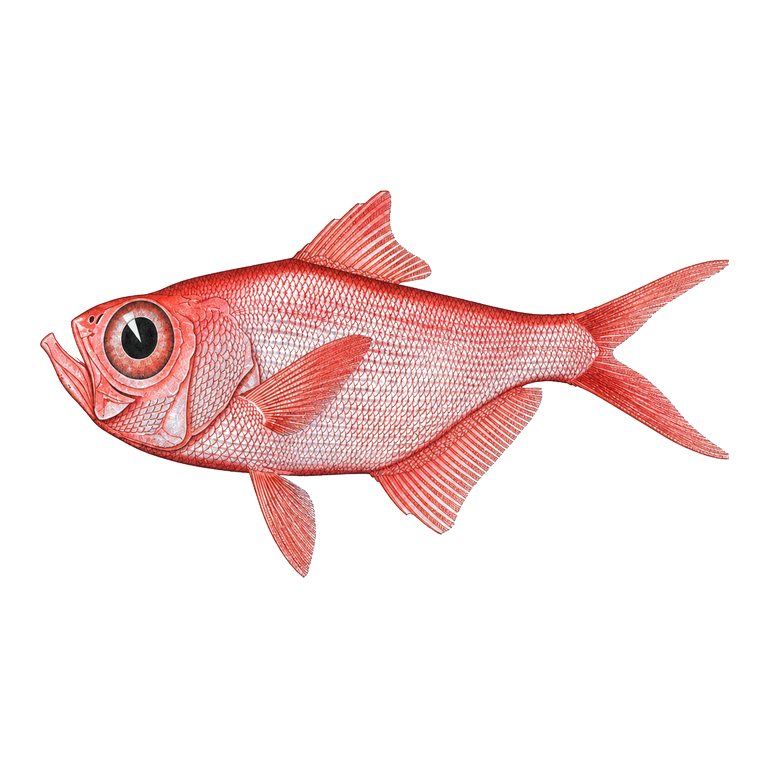
Habitat: Deep island slopes and seamounts, schooling around steep structure well below normal recreational diving depth.
Official Azorean commercial name. Do not merge with imperador, Beryx decadactylus.
Deep-water fishery species managed through changing EU/Azores measures. Usually a fisheries or market encounter, not a visitor swim sighting.
G. Brown Goode and Tarleton H. Bean, Oceanic Ichthyology, plate 53 (1896) · Public domain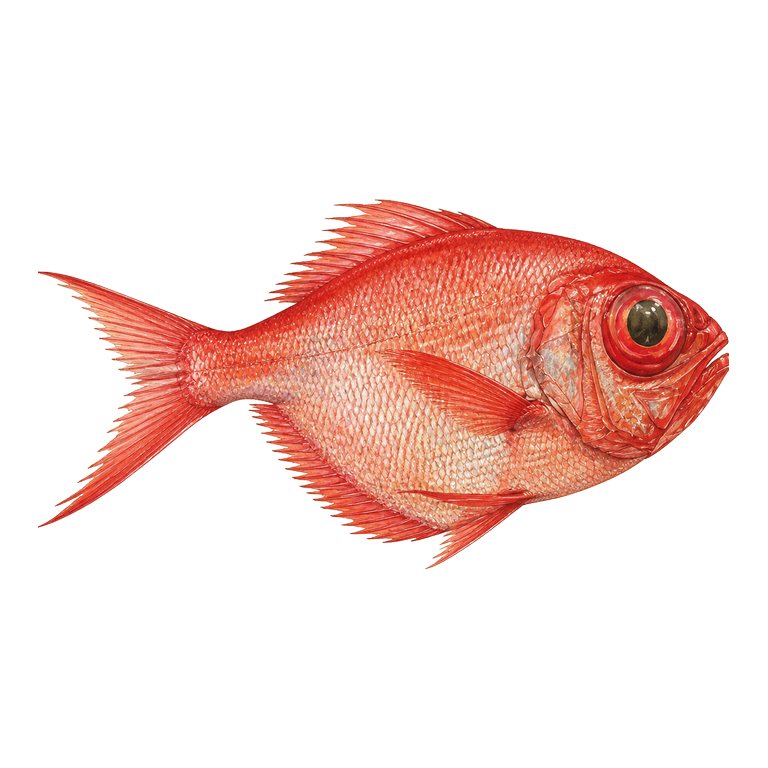
Habitat: Deep rocky slopes and seamounts, generally beyond recreational diving depth.
Alfonsino and alfonsim-da-costa-larga also appear in official/local lists; imperador best separates it from Beryx splendens in this guide.
Regulated deep-water fishery species. Do not publish fixed catch limits without checking current official measures.
Bex Goreham · CC BY 4.0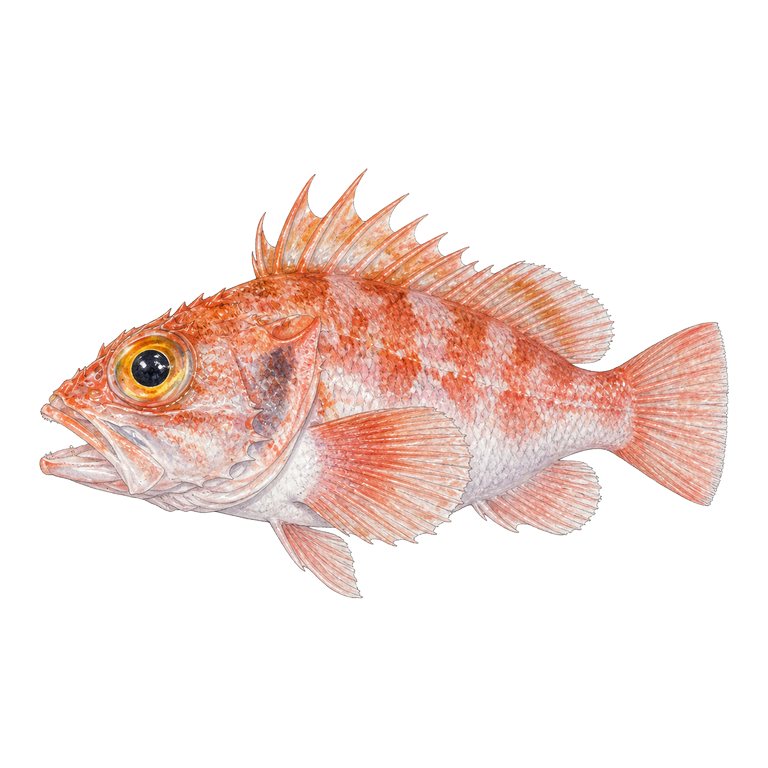
Habitat: Deep rocky and muddy slopes, often resting close to the bottom far below casual snorkelling depth.
Vermelho is also used locally but is less species-specific.
Regulated fishery species. Like related scorpaeniform fishes, it has sharp spines and should not be handled.
Karim Haddad · CC BY 4.0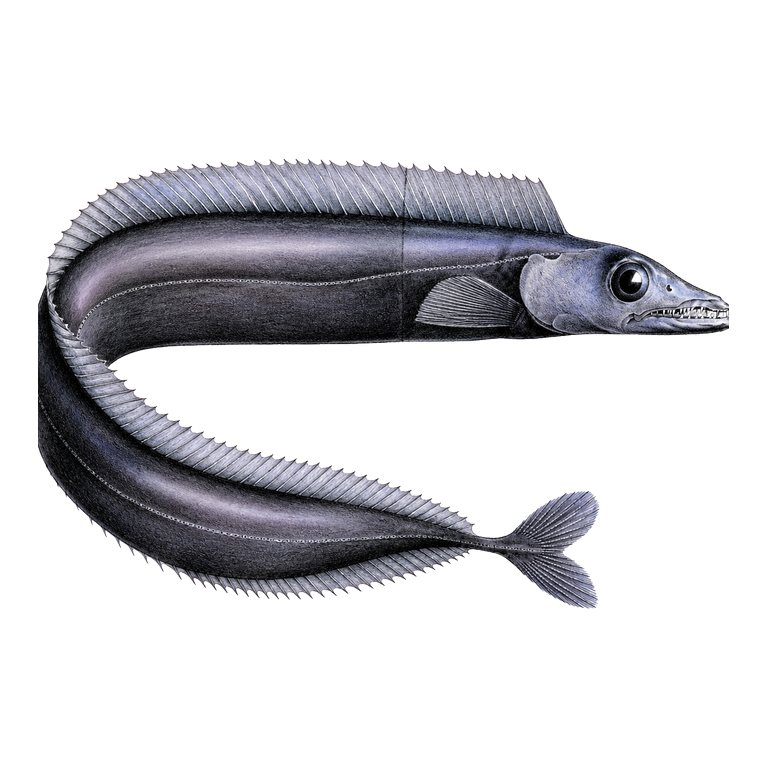
Habitat: Meso- to bathypelagic water beside steep island slopes, with vertical movements through the deep water column.
Established official Portuguese name; do not confuse it with peixe-espada-branco, Lepidopus caudatus.
Deep-water fishery species, normally encountered through catches or markets rather than underwater tourism. Check current fishery advice.
Gulielma Mary Herschell, H.M.S. Challenger deep-sea fishes, plate VII (1887) · Public domain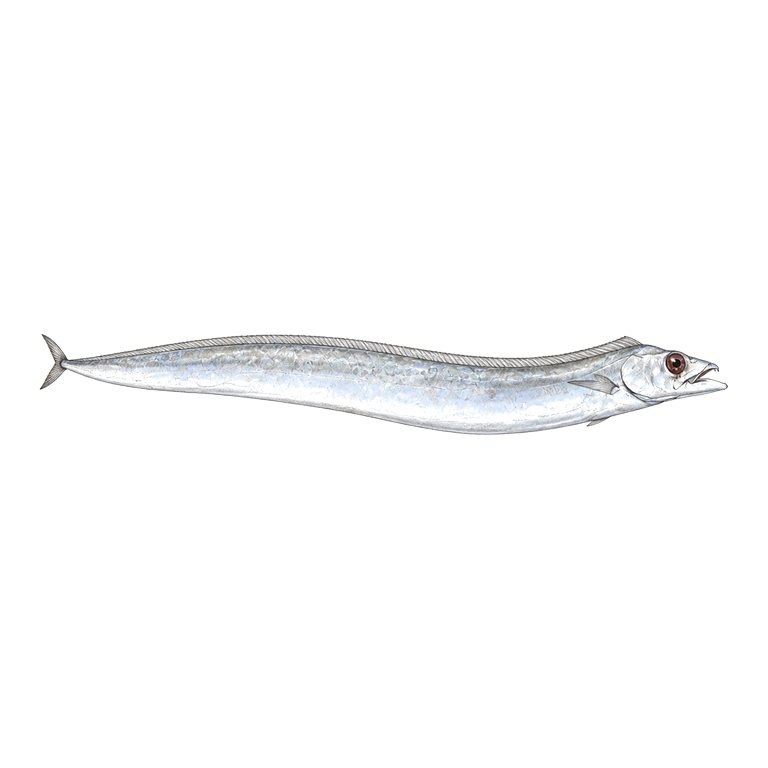
Habitat: Benthopelagic and pelagic deep water along island slopes, commonly far below recreational diving depth.
Talabarte is a documented Azorean name; it may be more familiar in fishery than visitor usage.
Deep-water fishery species. Older local guides discuss changes in catches; avoid turning that into an uncited current population trend.
Josh Sutton · CC BY 4.0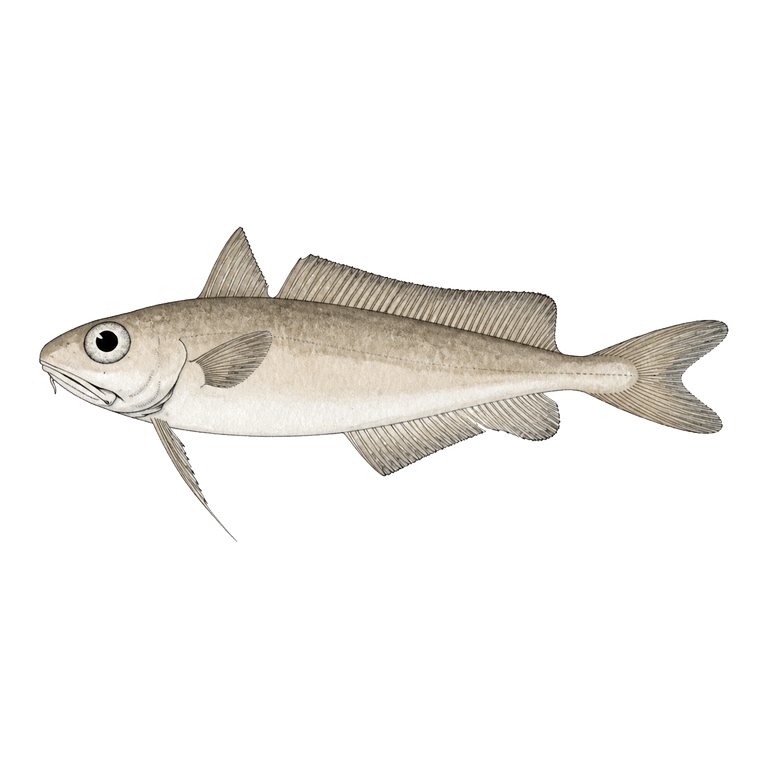
Habitat: Deep island slope close to the seabed, usually beyond recreational diving depth.
Juliana appears for this species in some older material, but official Azorean fish lists more clearly associate juliana with Phycis blennoides.
Primarily a deep-fishery/scientific field-guide species. Do not identify market fish by the ambiguous name juliana alone.
G. Brown Goode and Tarleton H. Bean, Oceanic Ichthyology, plate 92 (1896) · Public domain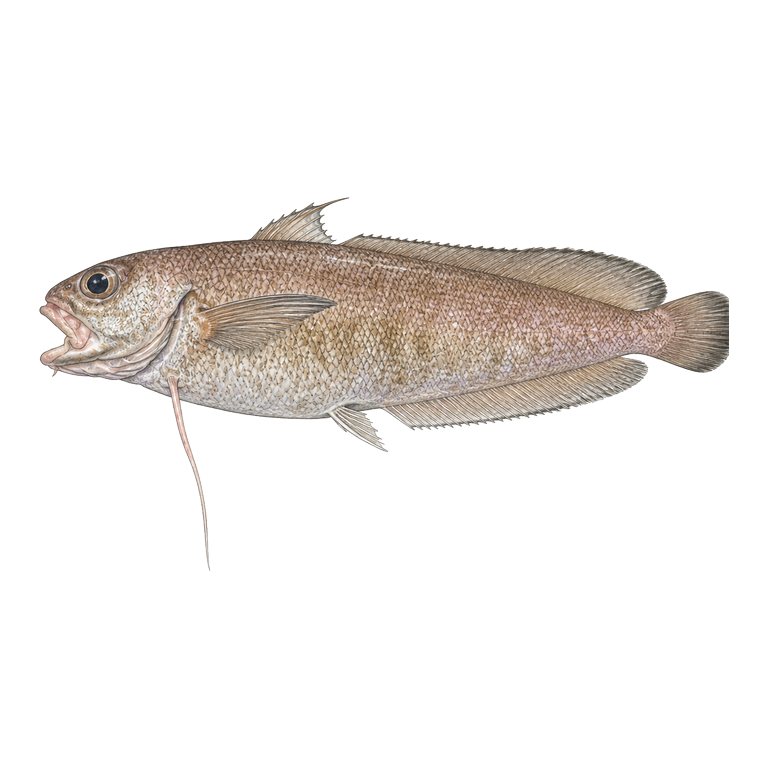
Habitat: Muddy and sandy deep slope, generally deeper than the coastal forkbeard Phycis phycis.
Abrótea-do-alto is also an official/local form and is less likely to be confused with Mora moro.
Deep-bottom fishery species; verify current rules and do not imply it is a normal snorkelling encounter.
Vsevolod Rudyi · CC BY 4.0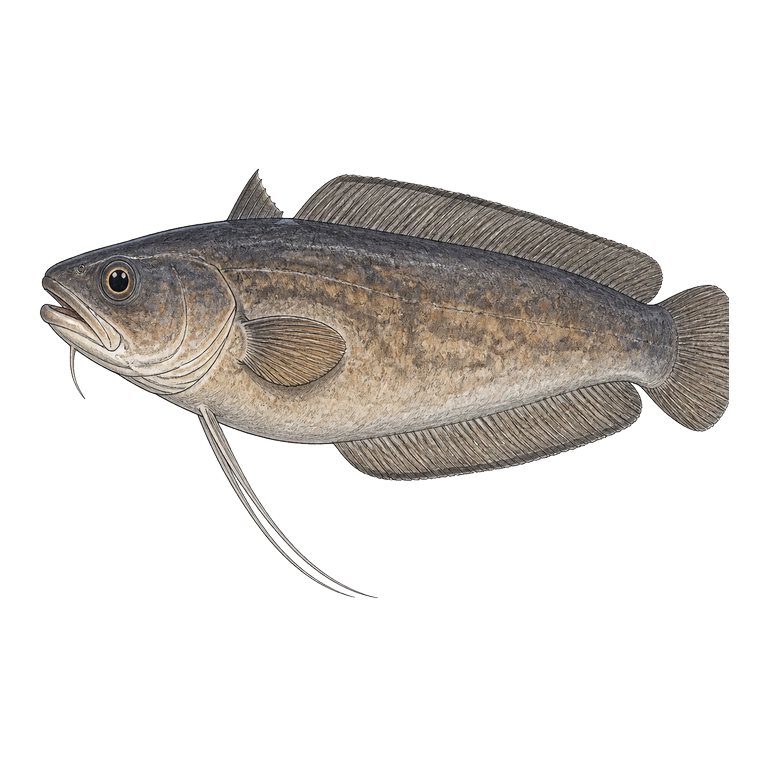
Habitat: Rocky caves and ledges from coastal water into the island slope; largely nocturnal and sheltering by day.
Abrótea-da-costa is the more specific official/local form, distinguishing it from deeper-water relatives.
Fishery species; observe sheltering fish without torch harassment and check current rules before capture.
Julien Renoult · CC BY 4.0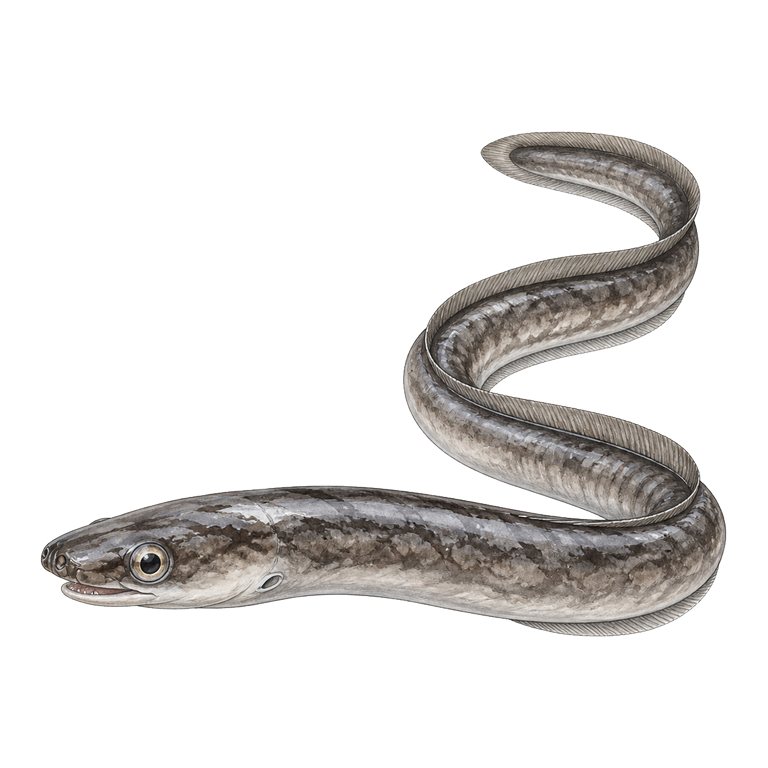
Habitat: Rock crevices, caves and mixed bottoms from the coast down the island slope; large adults tend to use deeper water.
Safio is also established in Azorean official lists.
Never hand-feed or reach into its shelter; a large conger can inflict a serious bite. It is also a regulated fishery species.
Julien Tchilinguirian · CC BY 4.0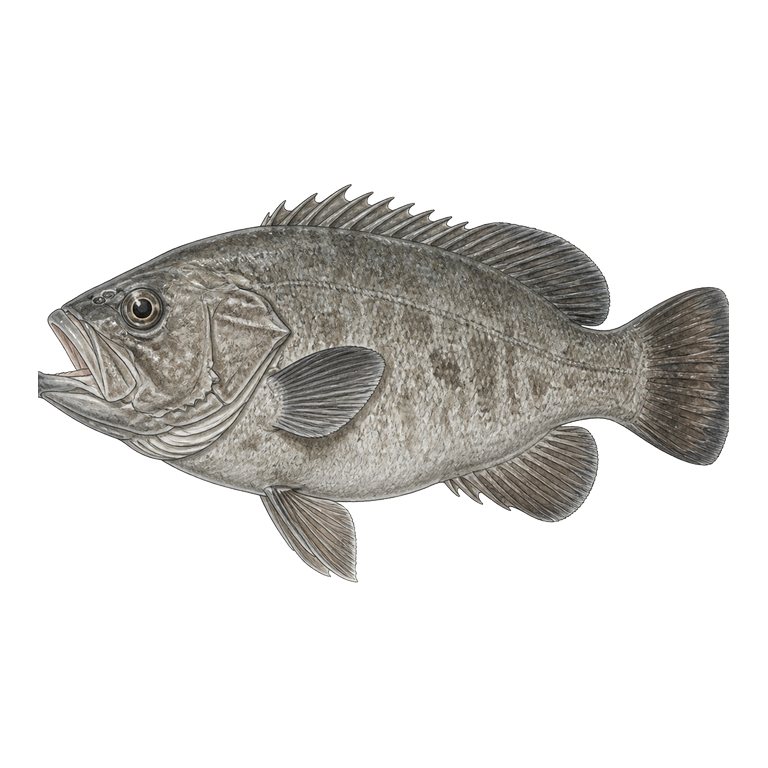
Habitat: Rocky deep slopes, wreck-like structure and seamounts; juveniles may associate with floating objects near the surface.
Cherne-americano is the more explicit official Portuguese form.
Azores Bioportal displays Data Deficient in its 2022 conservation layer. Long-lived deep-water fishery species; avoid unsupported local trend claims.
Hugo Hulsberg · CC0 1.0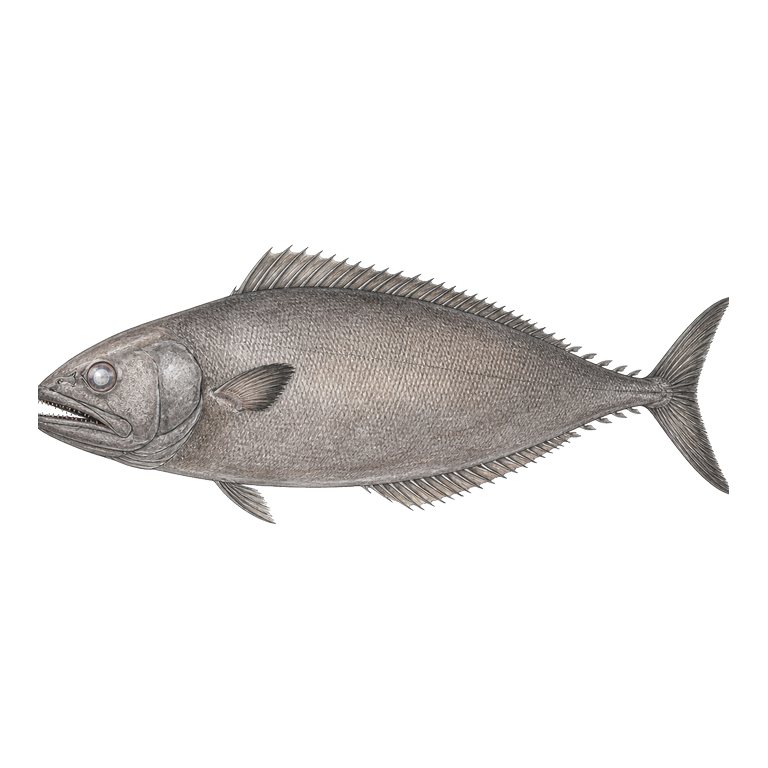
Habitat: Deep pelagic and island-slope water, associated with offshore habitat around islands and seamounts.
Escolar and chocolate are also accepted Portuguese commercial names in the EU database.
Food warning: EU law requires Gempylidae including this species to carry preparation/cooking information and a warning about substances with adverse gastrointestinal effects.
evangrimes · CC BY 4.0Sources and verification
Official and primary sources used for this article. Links checked 4 September 2026.